
Table of Contents
Toggle"We're Not Finished Yet" — Inside America's Escalating War with Iran and the Crisis Reshaping the Middle East
From shattered naval fleets to a choked global oil artery, the United States-Iran conflict has exploded beyond all earlier predictions. Here is everything you need to know — the numbers, the warnings, and what comes next.
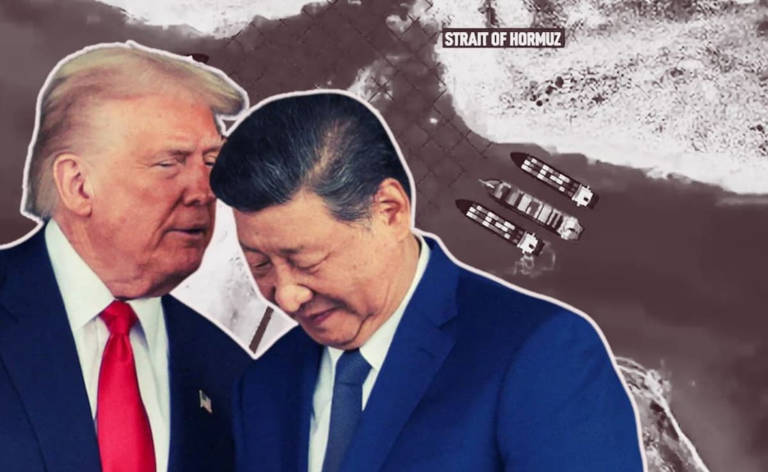
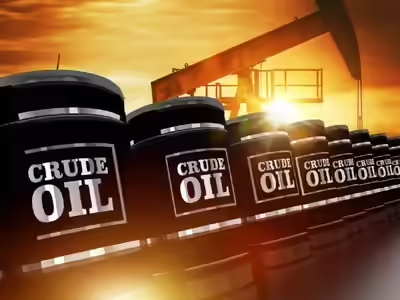
Conceptual illustration — US-Iran military standoff, West Asia, 2026. (America News World Graphics)
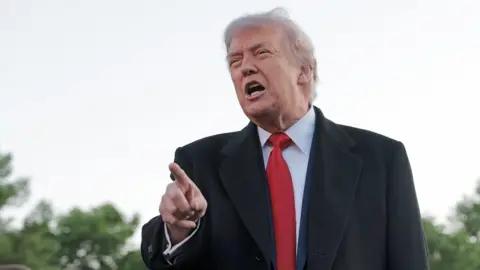
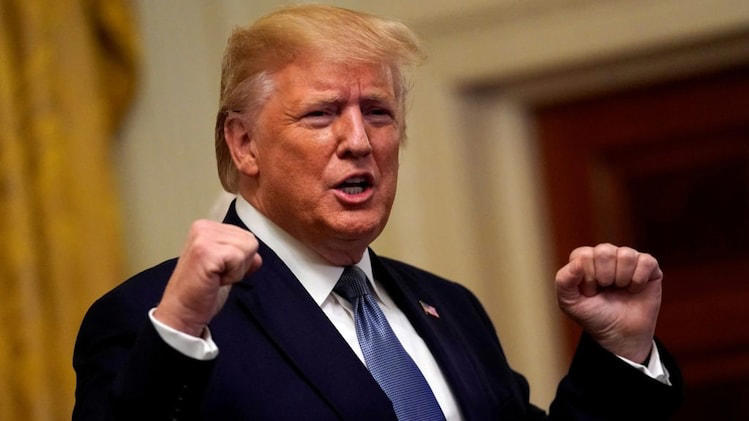
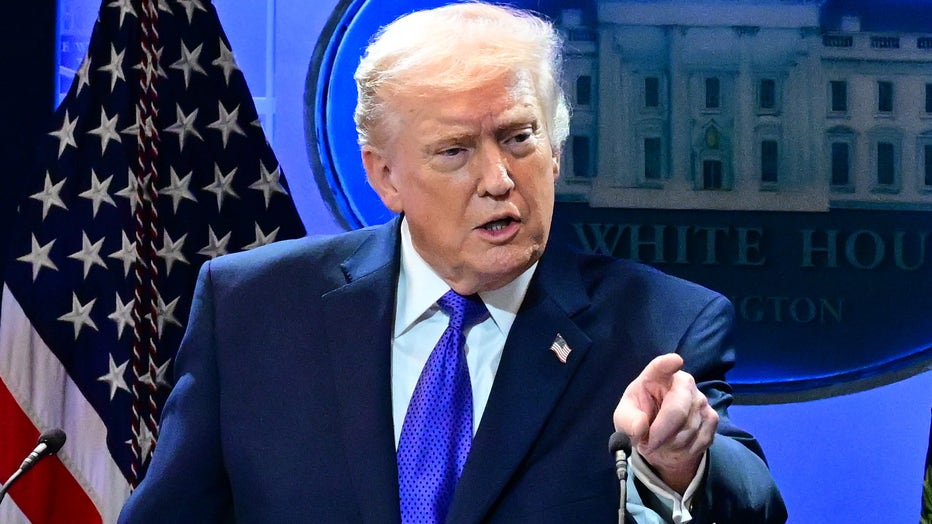
Standing outside the White House and speaking with the kind of forceful certainty that has defined his presidency, Donald Trump delivered a message that reverberated across every stock exchange, oil market, and foreign ministry on the planet: "We have hit them harder than virtually any country in history has been hit — and we're not finished yet." The target? Iran. The stakes? The global energy supply, regional stability across the Gulf, and the future of American power projection in West Asia.
"Tehran is paying the price for 47 years' worth of damage inflicted by them on the world."
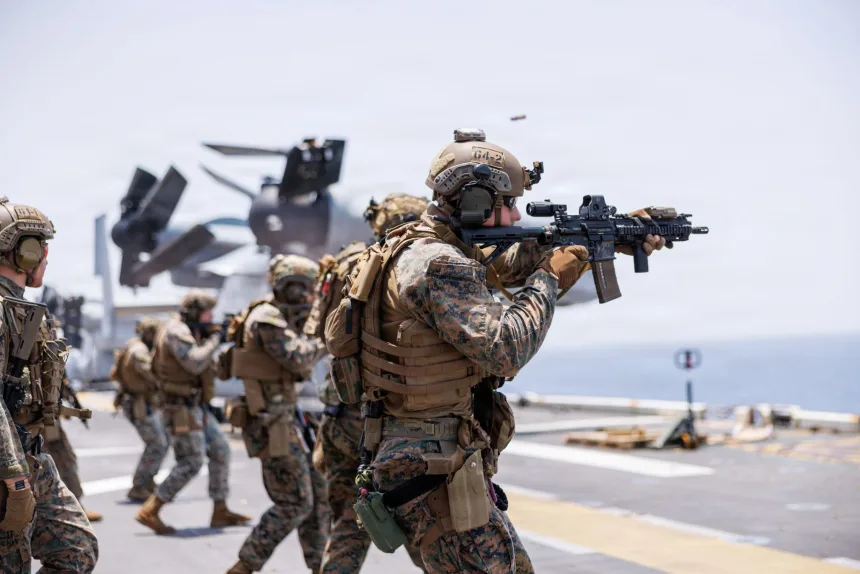
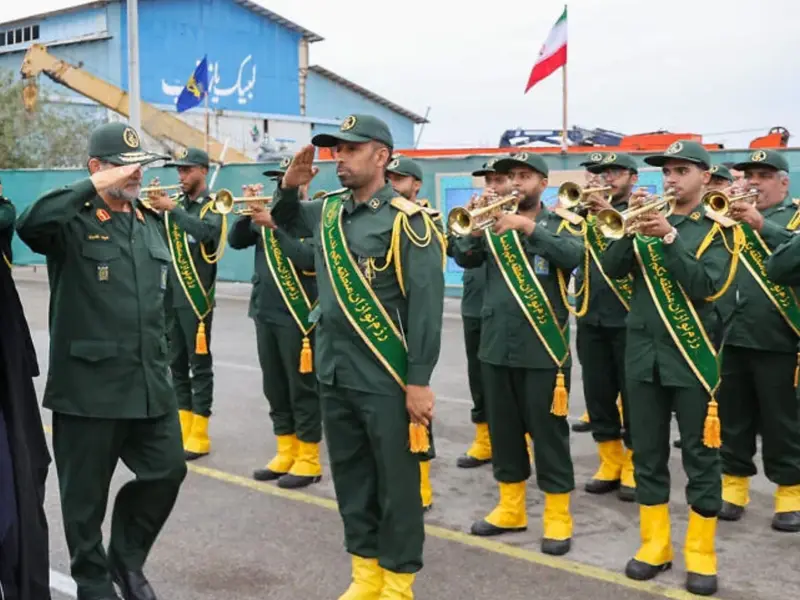
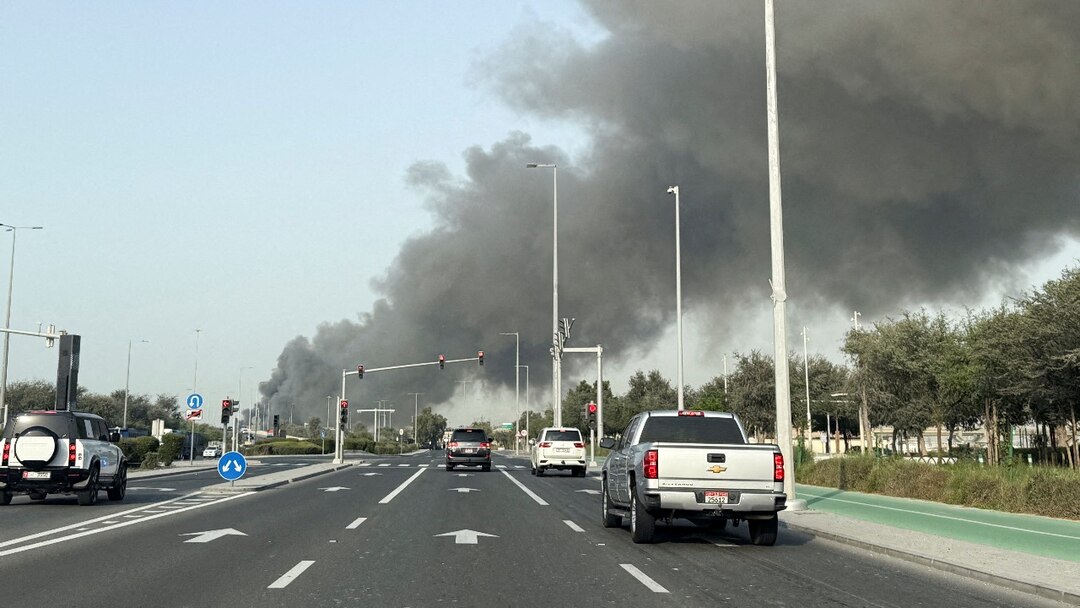
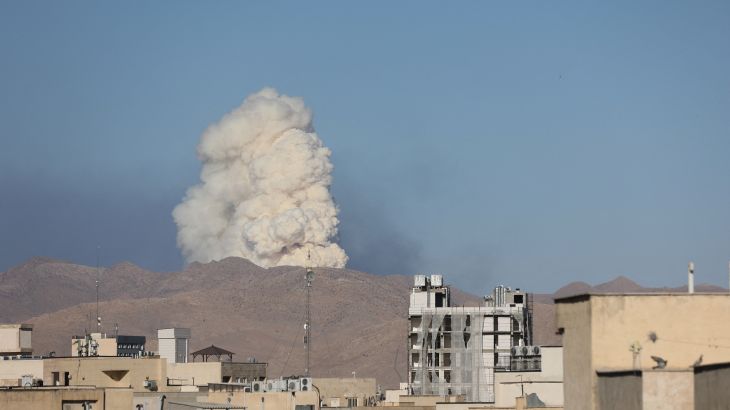
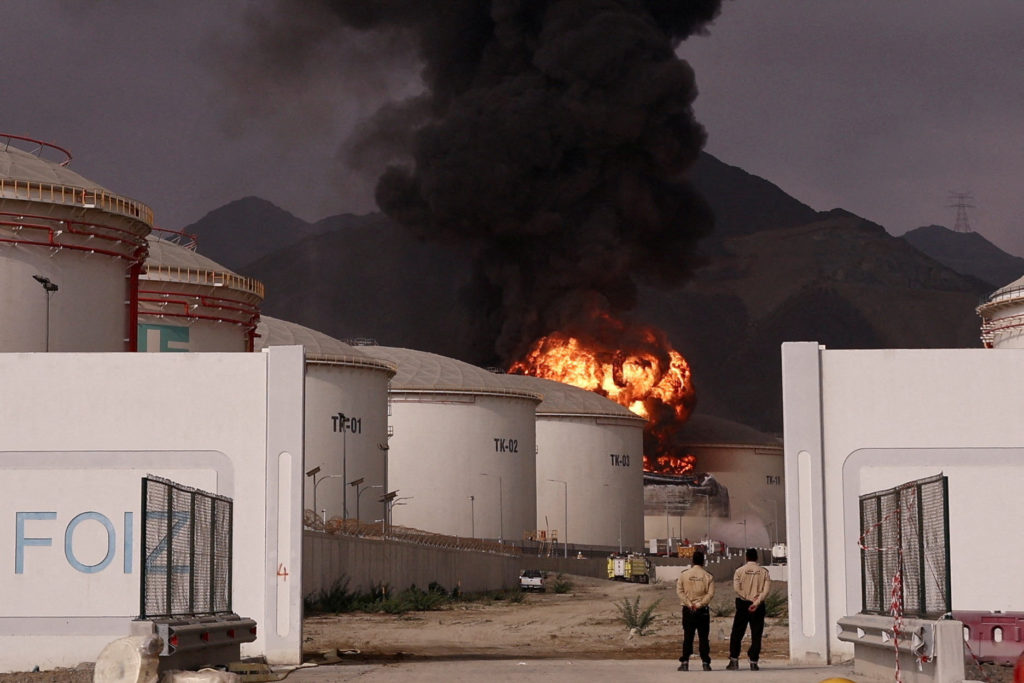
— President Donald Trump, White House, March 2026The US–Iran war, now a fully open regional conflict, has already transformed the military map of the Middle East. American and Israeli joint forces have systematically dismantled Iran's navy and degraded its army, according to repeated claims by Trump and senior Pentagon officials. Yet the Islamic Revolutionary Guard Corps (IRGC) has struck back with ferocity, seizing control of the Strait of Hormuz — the narrow chokepoint through which roughly 21% of the world's daily oil supply flows. The result has been an energy crisis that is rattling economies from Tokyo to Berlin.
📅 Key Timeline of Escalation
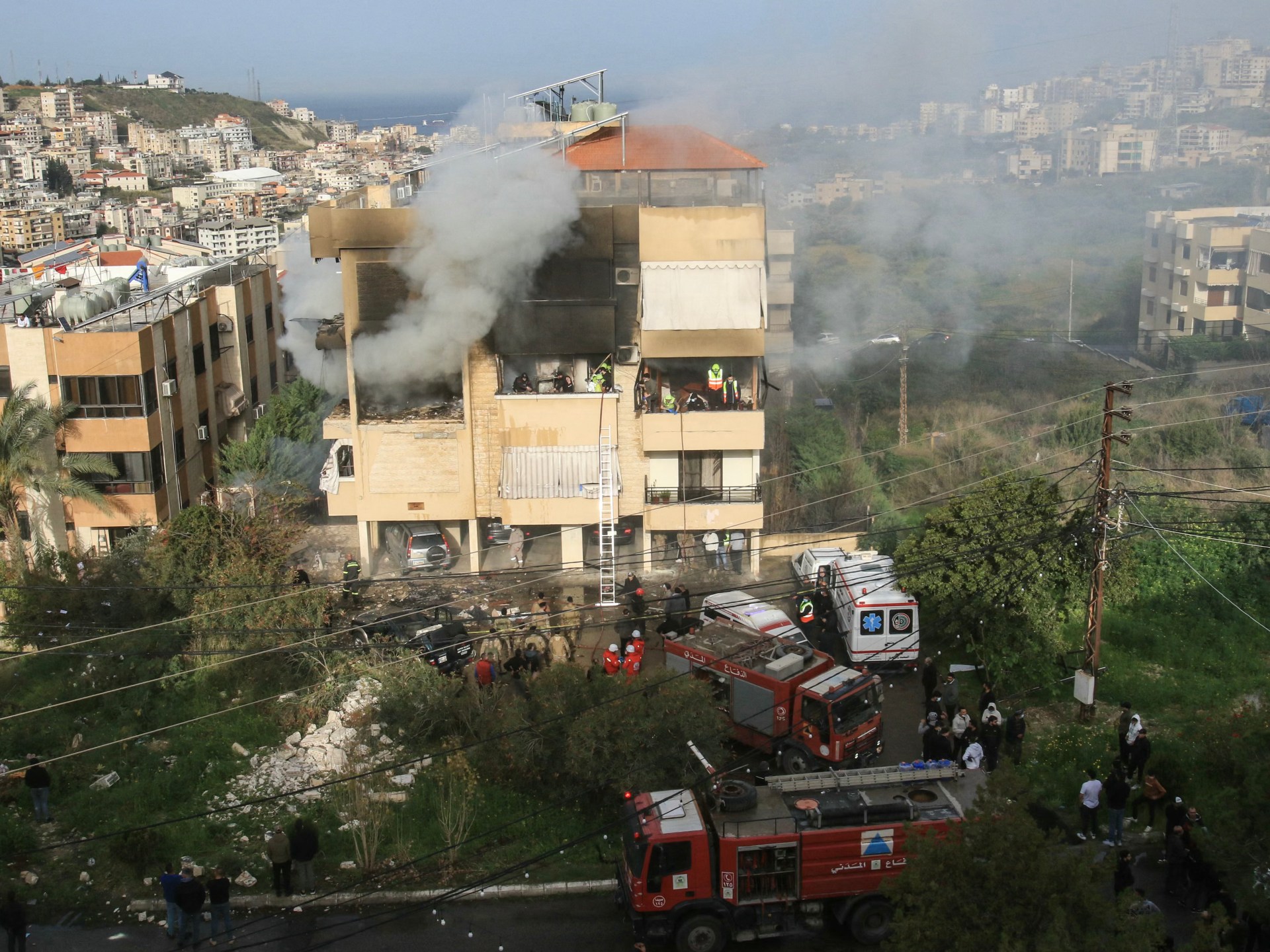
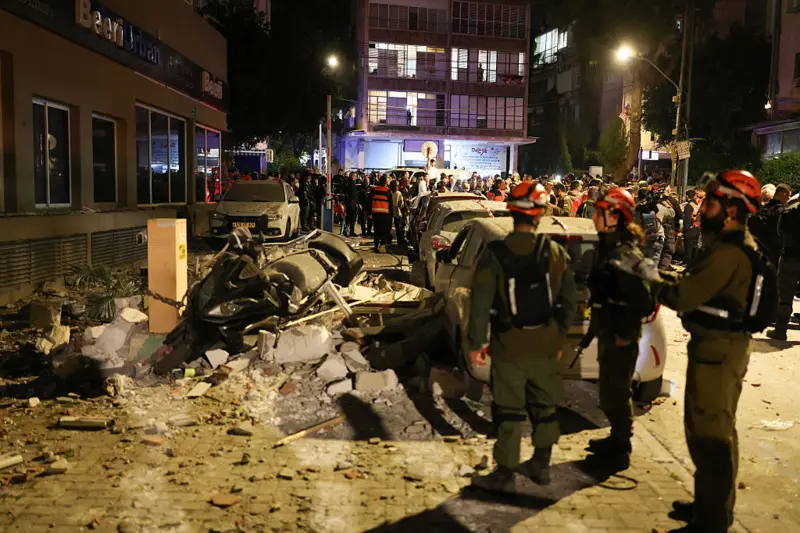
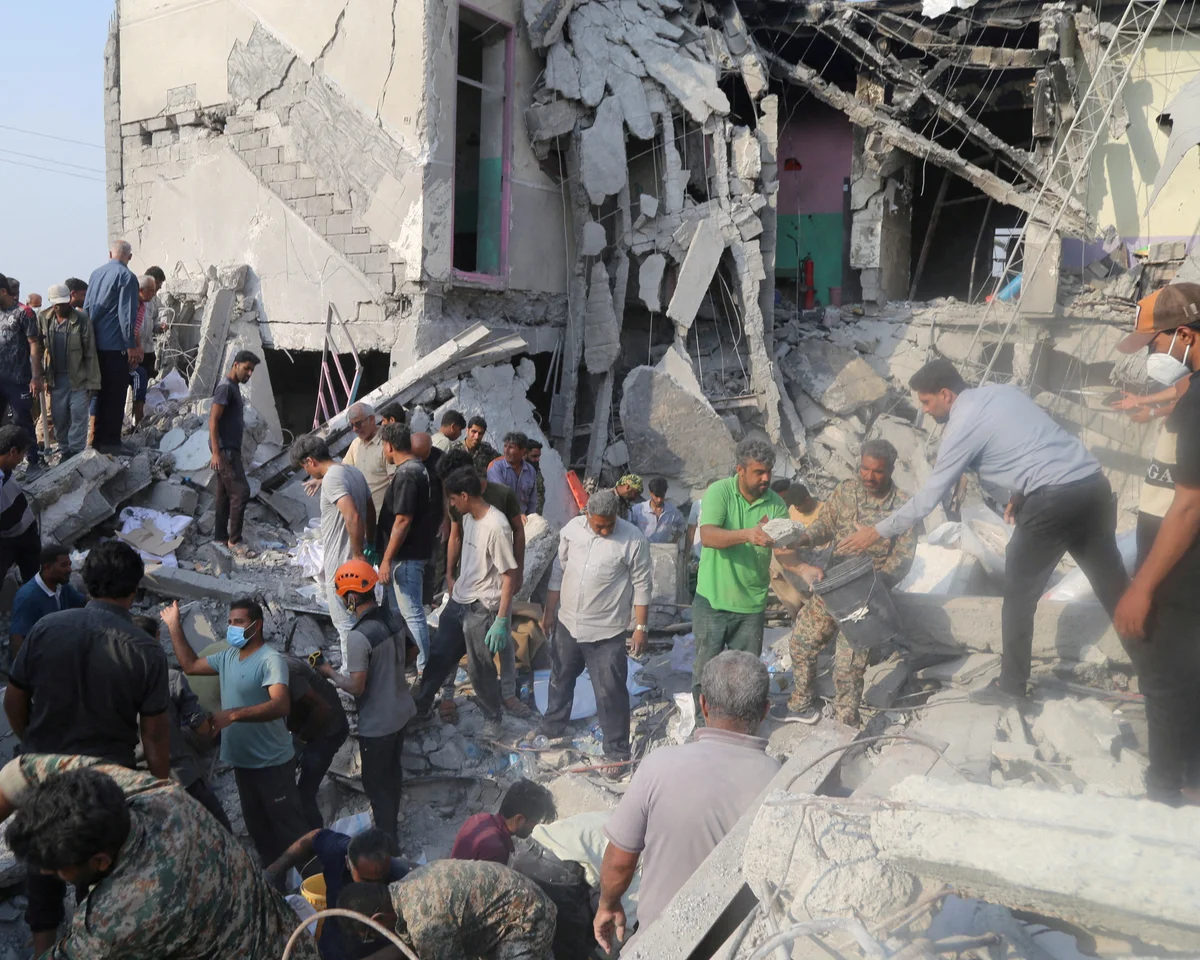
The human and geopolitical fallout has been immense. Six Gulf nations — the UAE, Qatar, Saudi Arabia, Bahrain, Kuwait, and Oman — have been subjected to Iranian drone and missile attacks, forcing emergency diplomatic sessions at the Arab League and the United Nations Security Council. Washington has deployed additional carrier strike groups to the region, while Israel has placed its northern and southern commands on high alert.
⚡ Fast Facts: The Strait of Hormuz Crisis
- The Strait of Hormuz is just 33 km wide at its narrowest navigable point.
- Approximately 17–21 million barrels of crude oil pass through it daily.
- The IRGC currently controls the waterway — the first time a hostile force has done so in modern history.
- Lloyd's of London has classified the Persian Gulf as a war risk zone, spiking insurance premiums by over 400%.
- India, Japan, South Korea, and China — all major oil importers — are on emergency energy protocols.
Trump's warnings to Iran have grown sharper with each passing day of the conflict. The President has oscillated between projecting inevitability — saying the war "could end very soon" and will end "any time he says so" — and projecting raw military dominance, insisting that Iran has been rendered incapable of further serious retaliation. Critics argue this mixed messaging is fuelling uncertainty in an already volatile region, while supporters say it is classic strategic ambiguity designed to keep Tehran off-balance.
What is not in doubt is the scale of the humanitarian ripple effects. Oil prices have surged past $120 per barrel, threatening a global recession. Flights over the Persian Gulf have been rerouted, adding hours and billions in costs to international aviation. And with no formal ceasefire framework in sight, analysts at the Council on Foreign Relations warn the conflict risks becoming a protracted, multi-year engagement — America's most consequential military involvement since Afghanistan.
For now, the world watches and waits, oil markets tremble, and a President who says he alone can end this war continues to promise — and deliver — escalation. America News World will continue tracking every development as it unfolds.
Discover more from
Subscribe to get the latest posts sent to your email.