
Table of Contents
ToggleIran's New Supreme Leader Vows to Keep Hormuz Closed and Promises Revenge Against the U.S.
Mojtaba Khamenei delivers his first statement, warning U.S. bases to shut down, vowing to avenge his father's death, and threatening continued attacks on Gulf energy infrastructure as oil prices smash past $100 a barrel.
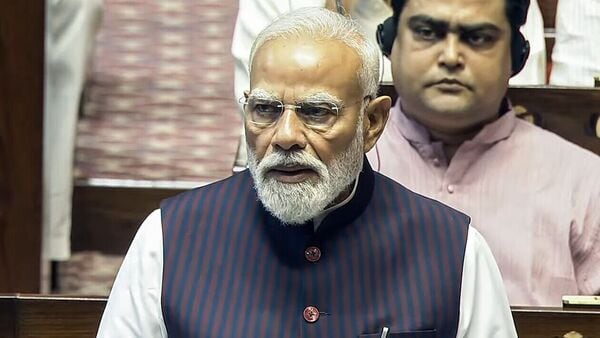
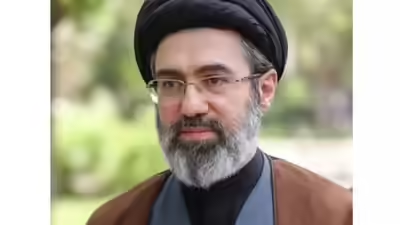
Iran's newly appointed Supreme Leader, Mojtaba Khamenei, broke his silence on Thursday with a chilling first statement that sent shockwaves through global markets and diplomatic circles alike. Speaking through a news anchor on Iranian state television — and notably not appearing on camera himself — Khamenei made clear that the Islamic Republic has no intention of backing down from its conflict with the United States and Israel.
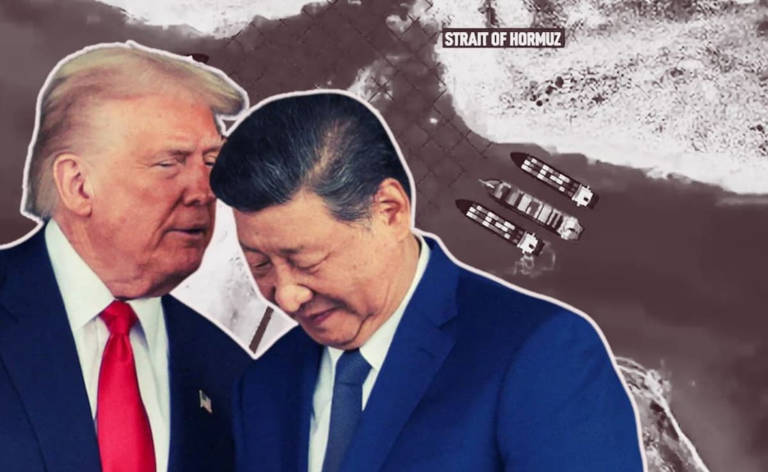
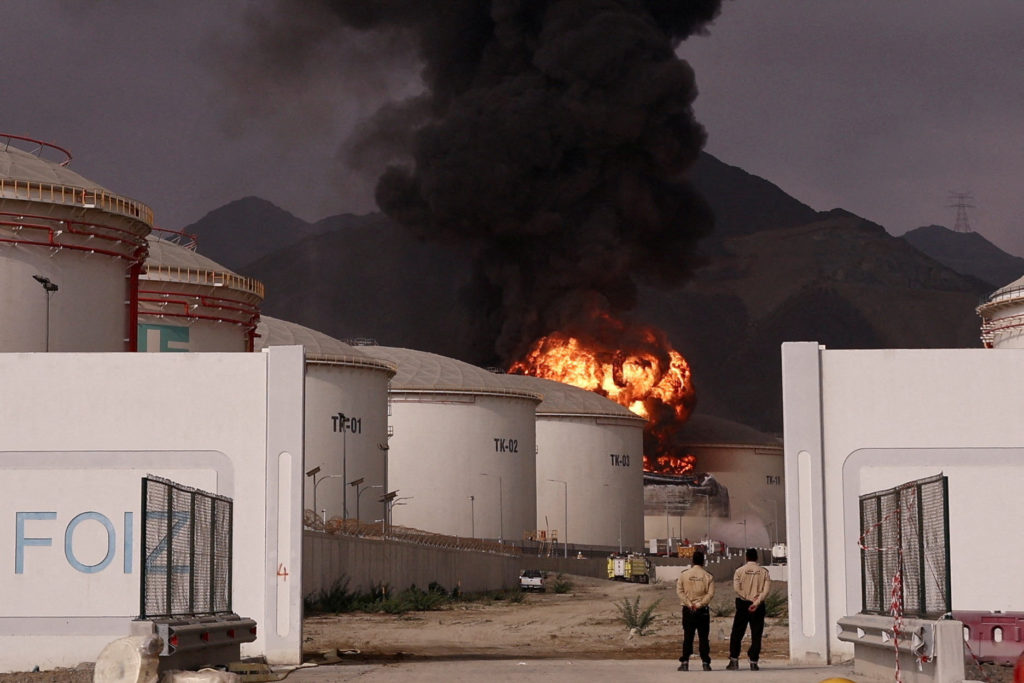
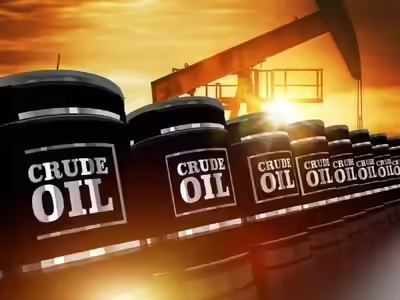
At the heart of his message was a direct warning about the Strait of Hormuz, the narrow waterway through which roughly 20 percent of the world's oil supply passes. Khamenei declared that the strait must remain closed, framing it as Iran's most powerful economic lever against Western pressure. Markets reacted swiftly, with crude oil surging past $100 a barrel on Thursday as traders absorbed the implications of a prolonged standoff in the Persian Gulf.
Key Facts at a Glance
- Mojtaba Khamenei made his first statement as Iran's Supreme Leader on Thursday, March 12
- He declared the Strait of Hormuz must remain closed as leverage against the U.S.
- U.S. military bases in the region were warned to close or face potential attacks
- Oil prices surged above $100 per barrel following his remarks
- Iran's President outlined three conditions to end the war: rights recognition, reparations, and security guarantees
A Warning to U.S. Military Bases
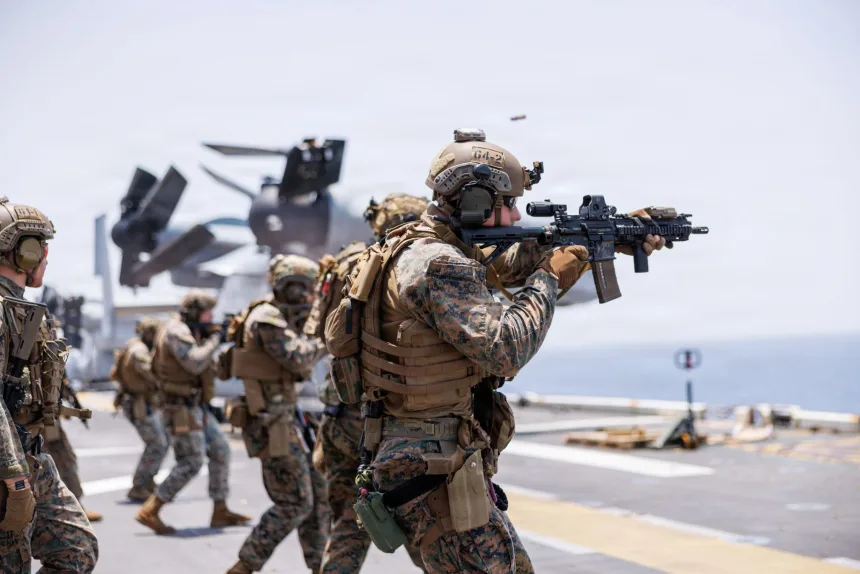
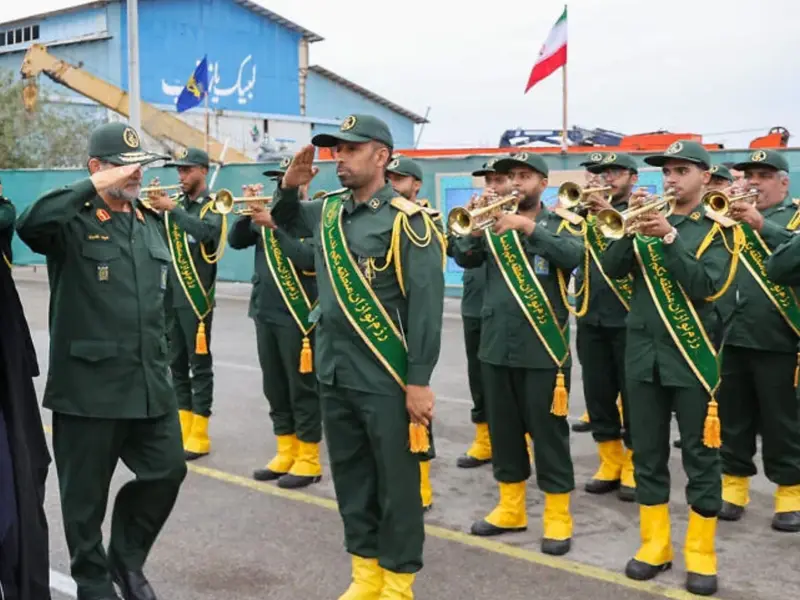
Khamenei didn't stop at the Hormuz threat. He turned his attention directly to American military installations scattered across the Middle East, warning that any base that remains operational in the region could become a target.
I recommend that they close those bases as soon as possible, because they must have realised by now that the claim of establishing security and peace by America was nothing more than a lie.
— Mojtaba Khamenei, Iran's Supreme LeaderThe statement left little room for interpretation. Iran, under its new leader, is not signaling a willingness to negotiate from a position of weakness. Analysts described the address as one of the most direct challenges to American regional power in years.
Honoring a Fallen Father — and Vowing Revenge
Much of Khamenei's address carried a deeply personal tone as he paid tribute to his father, the late Supreme Leader Ayatollah Ali Khamenei, who was killed in the strikes that triggered the current war. He described seeing his father's body after the assassination, saying that what he saw was "a mountain of steadfastness" and that the fist of his intact hand had been clenched — a powerful image of defiance in death.
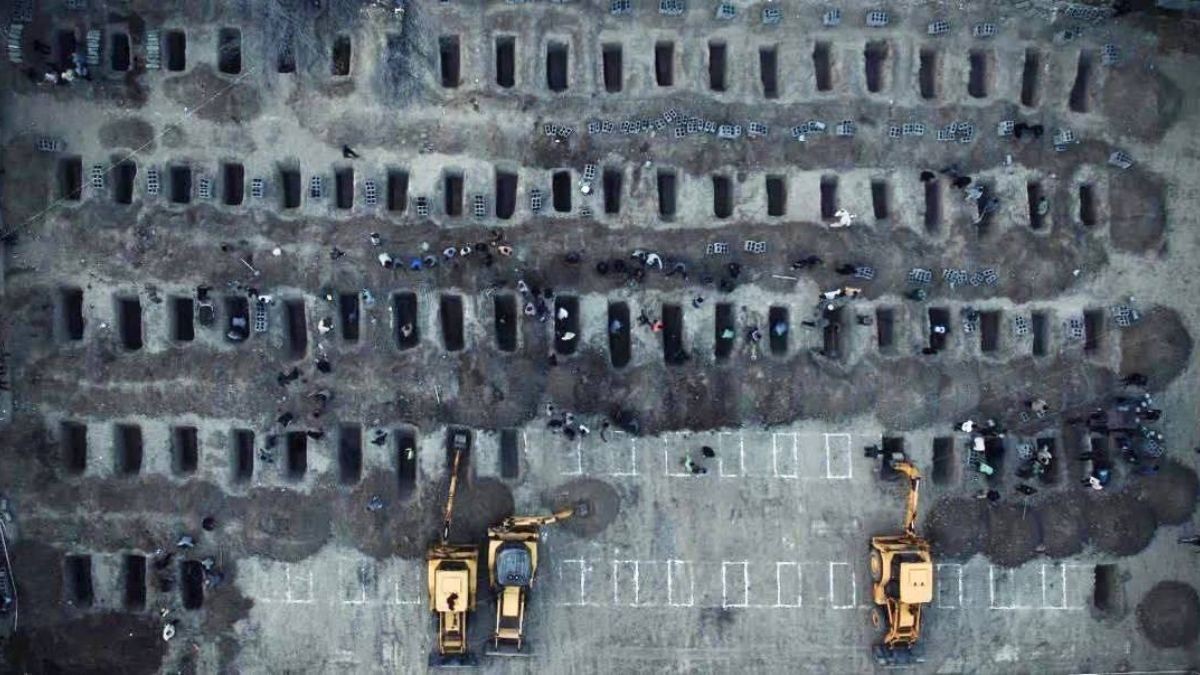
He vowed to avenge not only his father's death but the lives of every Iranian citizen lost since the conflict began on February 28. "We will not forget the revenge for the blood of the martyrs," he said solemnly, adding that Iran would obtain compensation from its enemy — or destroy equivalent assets if that compensation was refused. He also expressed gratitude to allied armed groups across Lebanon, Iraq, and Yemen, including Hezbollah and the Houthis, referring to them collectively as the "Resistance Front."
Iran's Three Conditions for Peace
On the same day, Iranian President Masoud Pezeshkian added a diplomatic dimension to the crisis by publicly outlining three conditions under which Iran would agree to end the war. Writing on social media platform X, the President stated that any resolution must recognize Iran's legitimate rights, include financial reparations for war damages, and come with firm international guarantees that Iran will not face future military aggression.
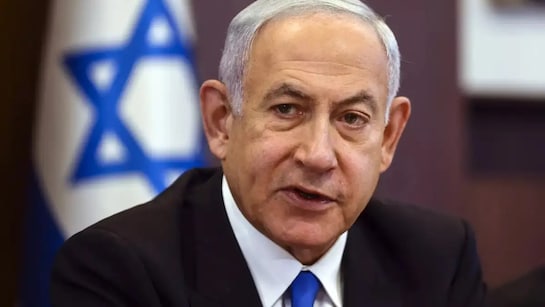
Pezeshkian also revealed that he had spoken with the leaders of Russia and Pakistan, reaffirming Iran's stated commitment to regional peace — while making clear that peace, in Tehran's view, cannot come without accountability. The terms, as laid out, appear unlikely to be acceptable to Washington or Jerusalem in the near term.
A Region on the Edge
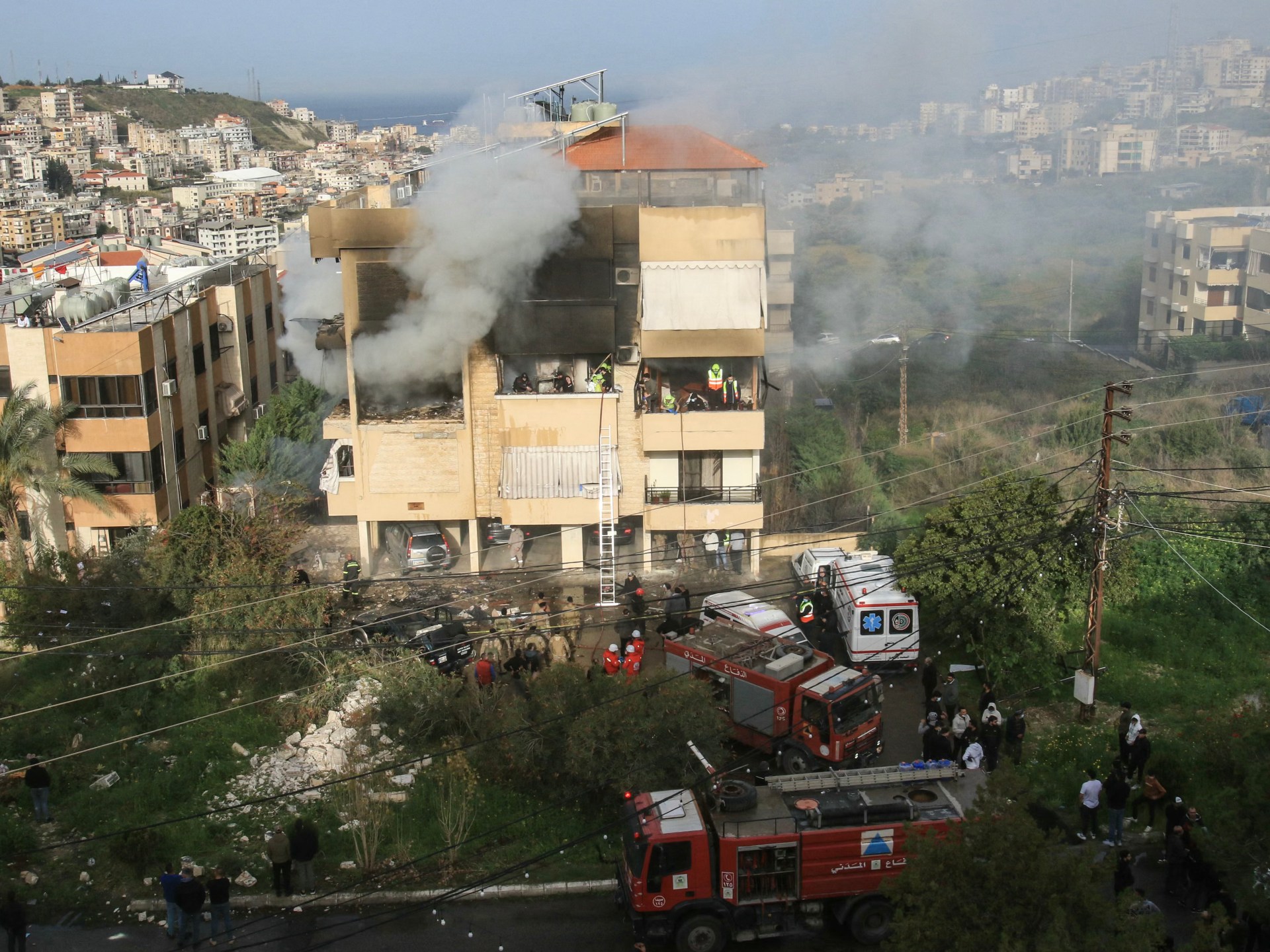
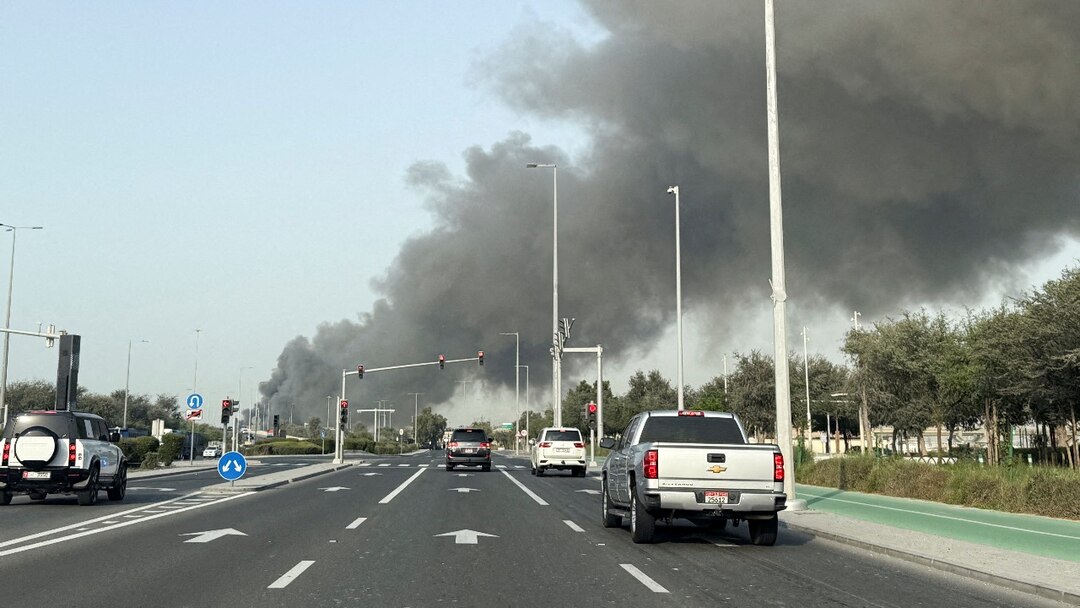
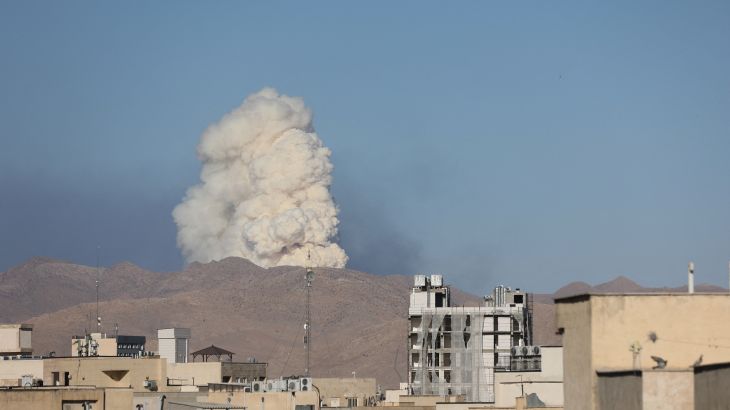
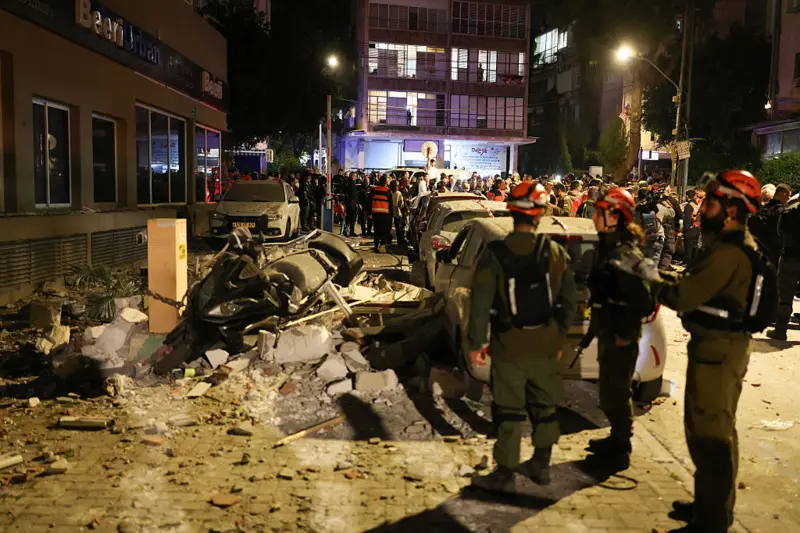
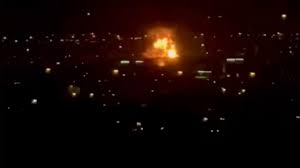
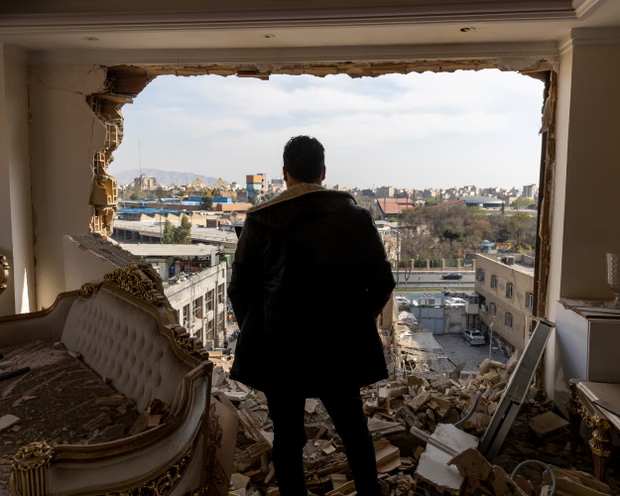
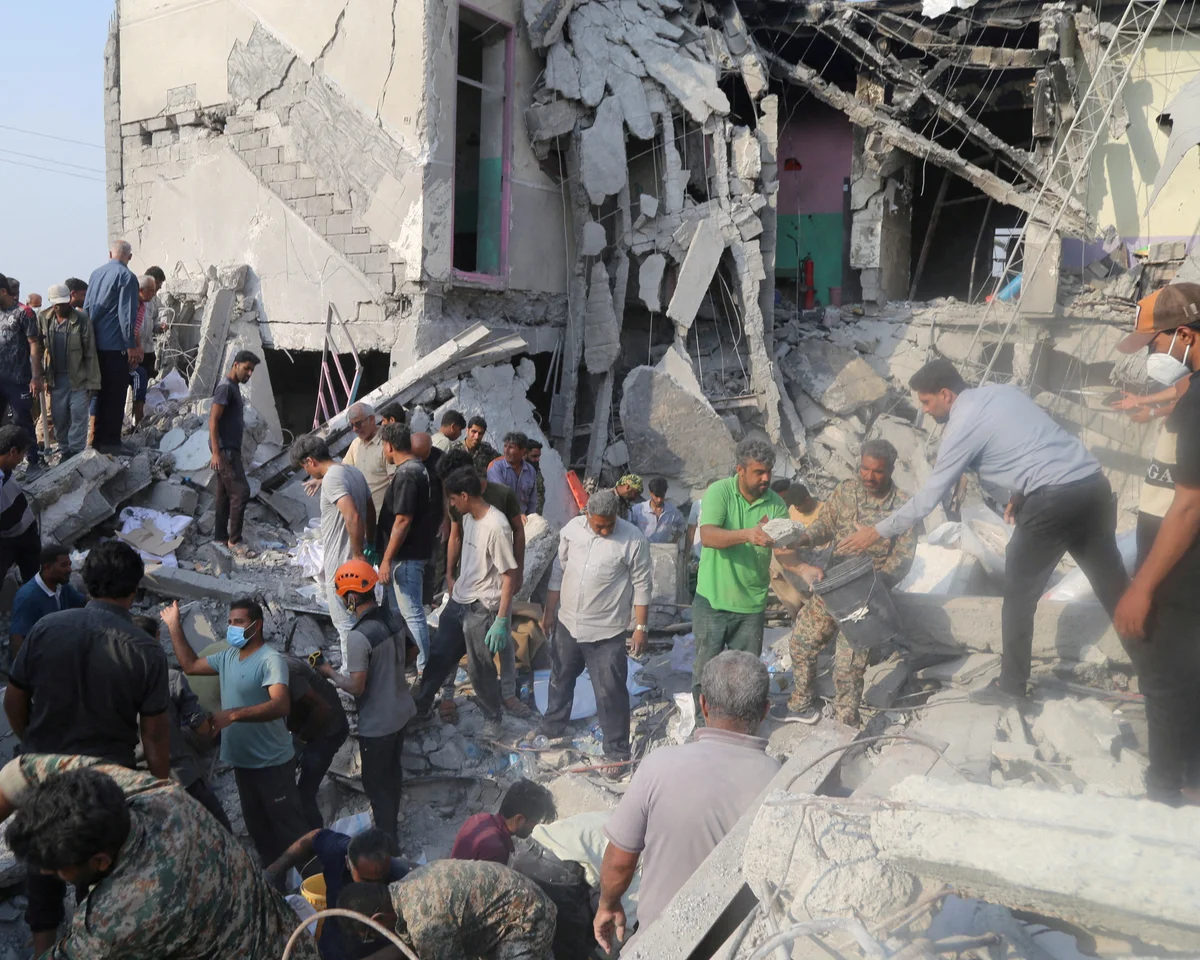
With oil prices climbing, shipping routes disrupted, and a new Supreme Leader promising relentless resistance, the Middle East finds itself at one of its most volatile crossroads in decades. Iran's ongoing attacks on Gulf energy infrastructure and shipping traffic show no sign of stopping, and neither side appears ready to blink. The conflict, which began on February 28, continues to exact an escalating toll — not just in the region, but at fuel pumps and trading floors around the world.
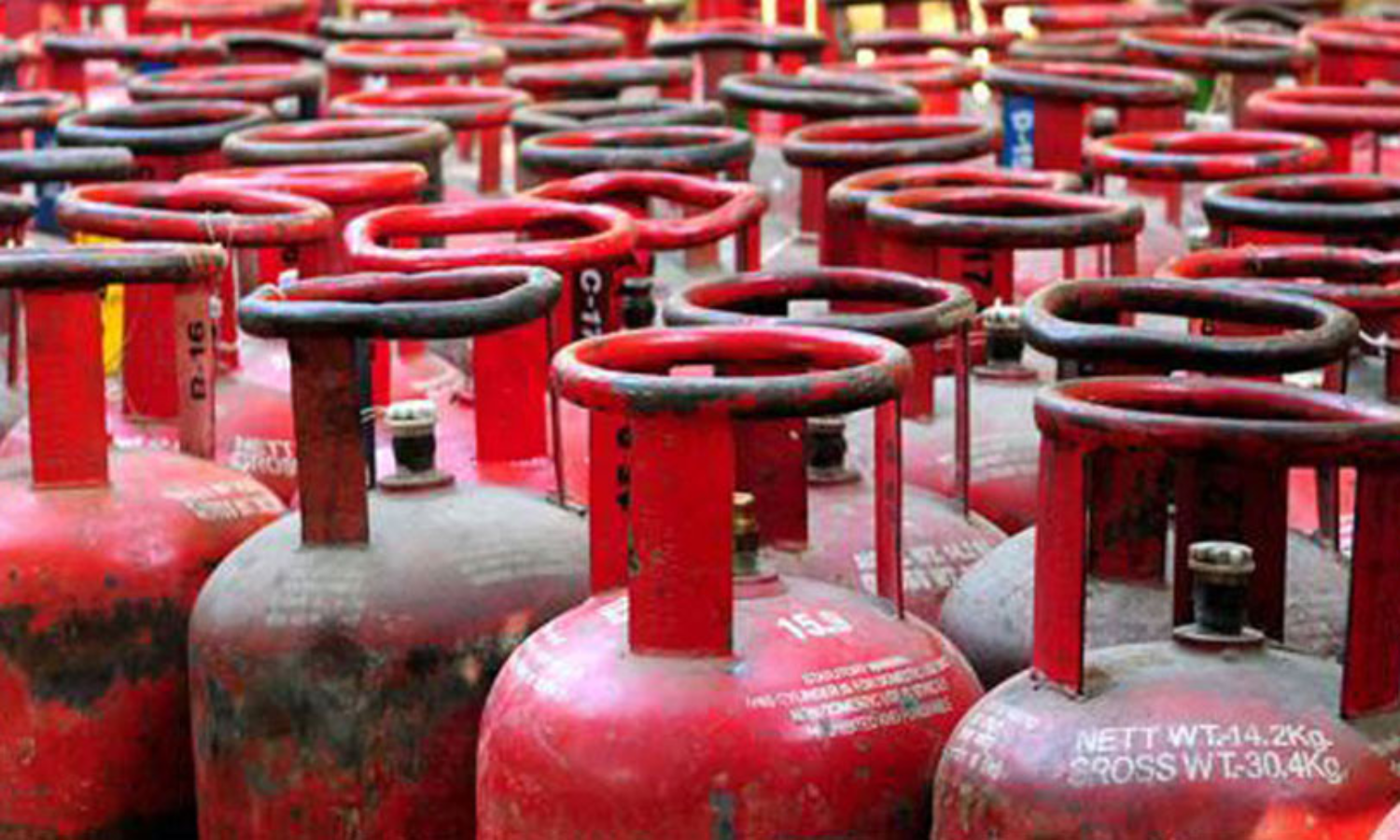
The world is watching — and the price of hesitation could be measured at the gas pump.
Discover more from
Subscribe to get the latest posts sent to your email.