Hormuz Crisis / U.S.–China Relations
Table of Contents
ToggleTrump Turns China Visit Into a Pressure Point Over the Strait of Hormuz
As oil prices surge and global supply lines buckle under the weight of the Iran conflict, President Trump is dangling a high-stakes diplomatic visit to force Beijing's hand.
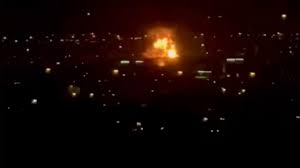
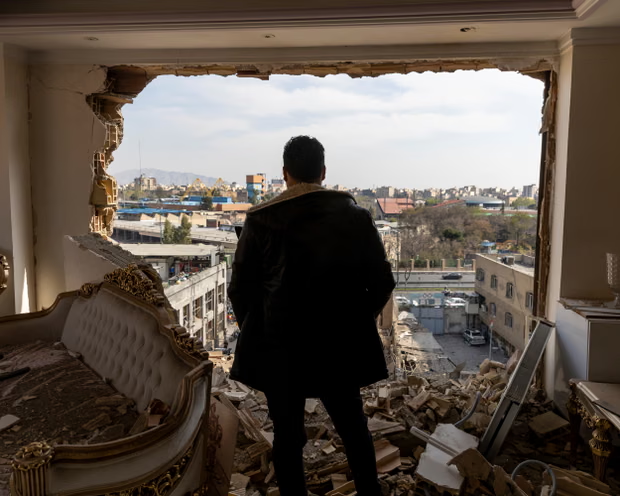
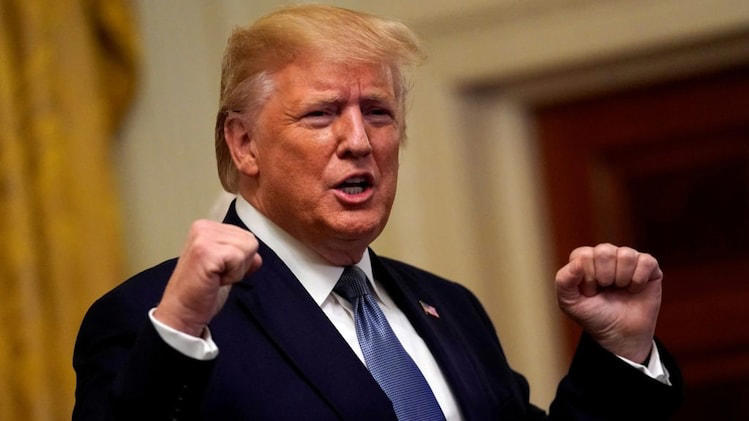
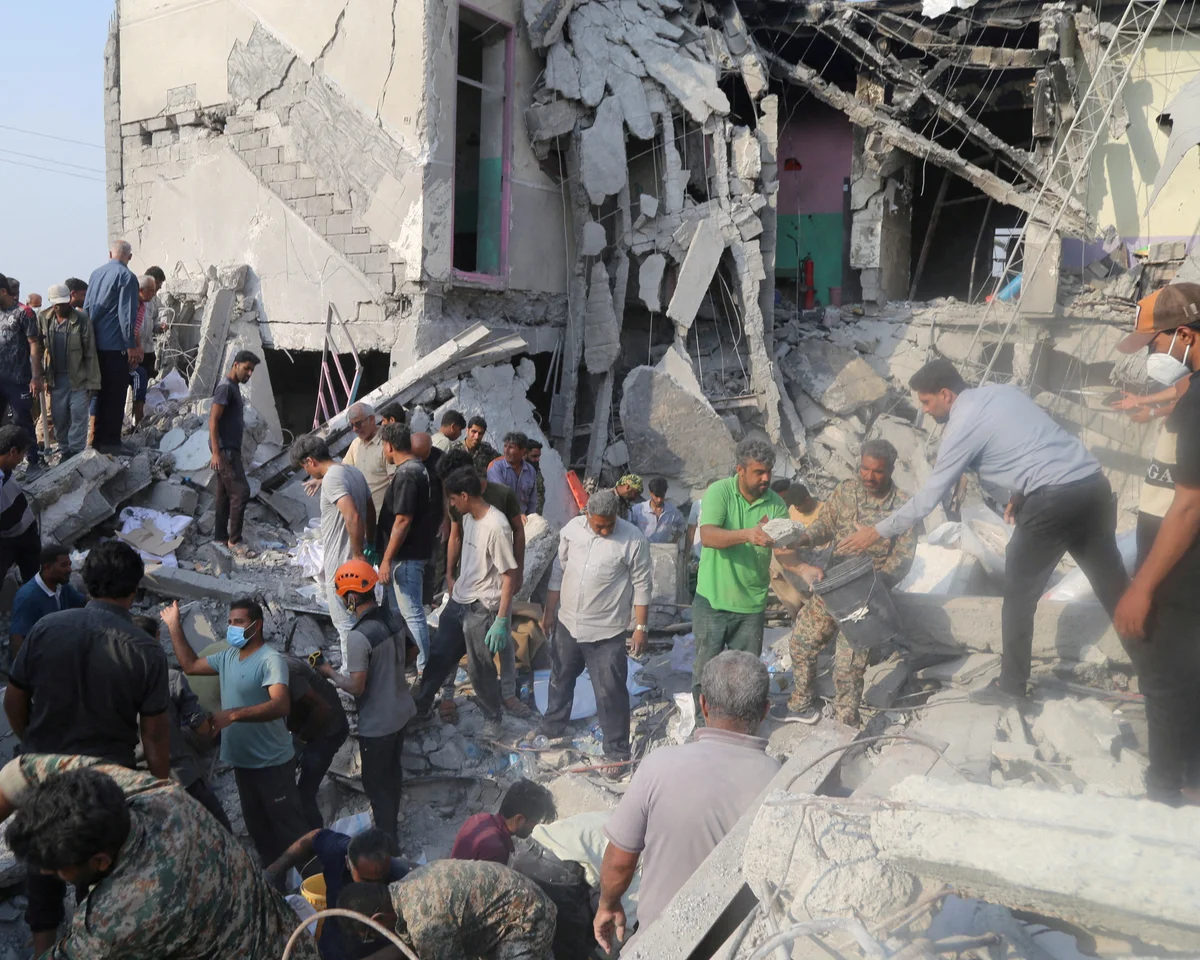
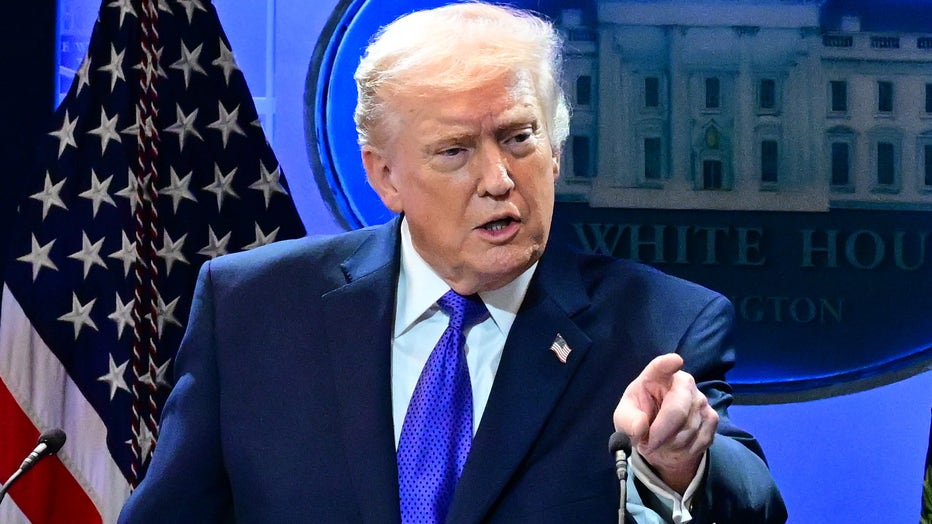
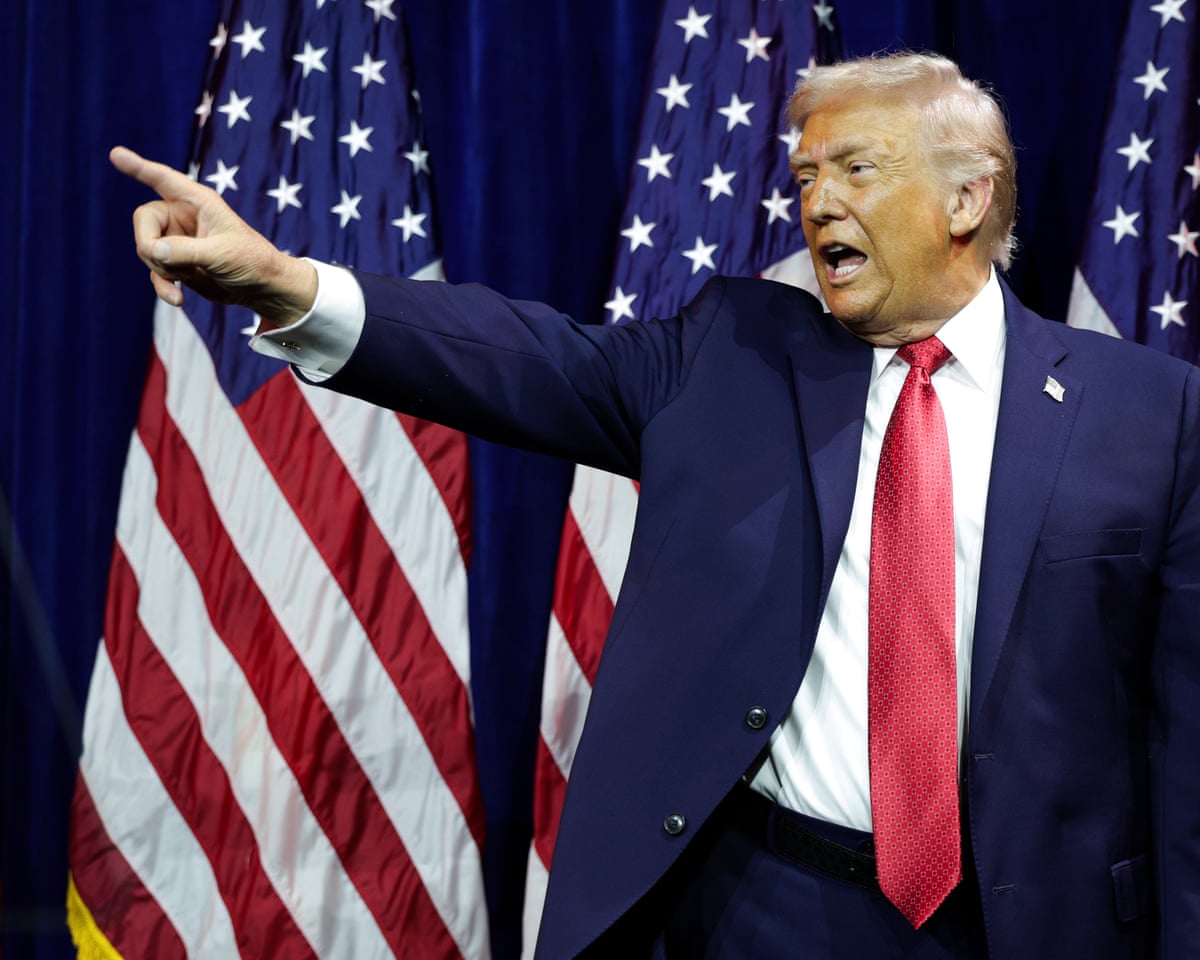
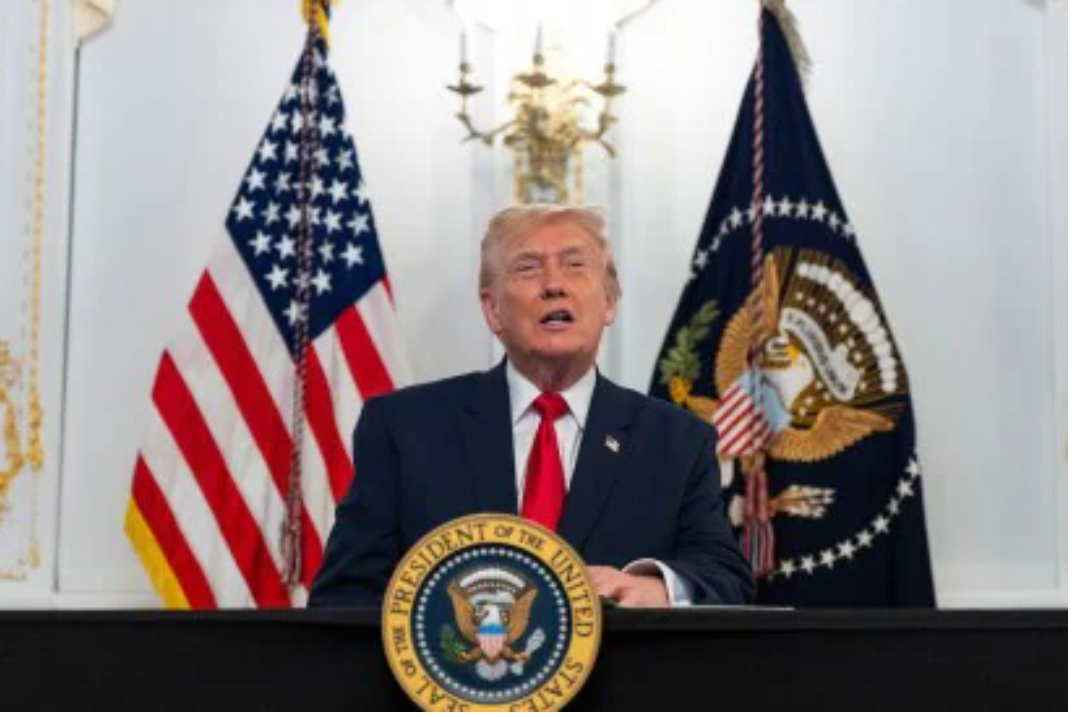
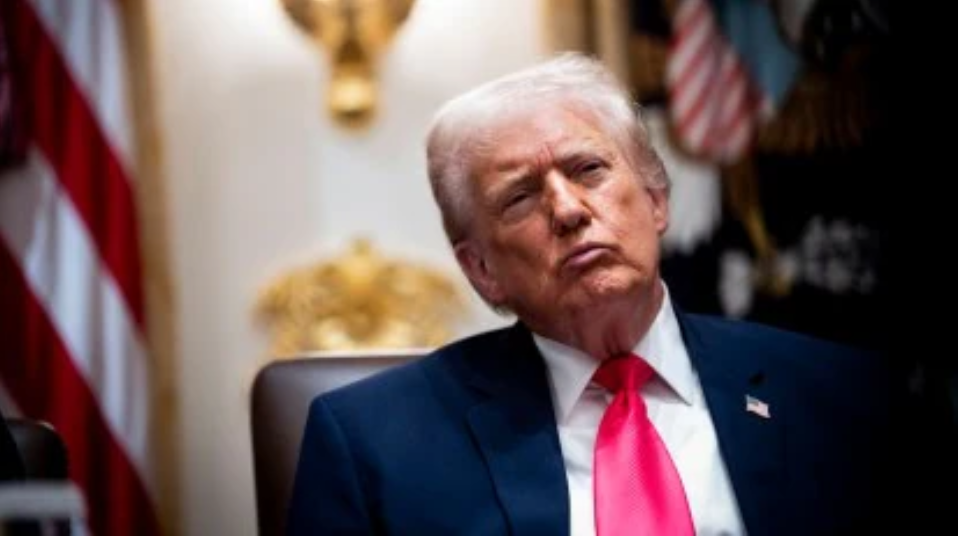
President Donald Trump is playing one of the biggest diplomatic cards in his hand right now — and it happens to be a plane ticket to Beijing. In a striking move that blends trade pressure with wartime urgency, Trump said over the weekend that he may delay his planned end-of-month visit to China unless Beijing agrees to join a U.S.-led coalition aimed at protecting oil tanker traffic through the Strait of Hormuz. It is a gamble that reflects just how dramatically the American-Israeli military strikes on Iran have rewritten the rules of global politics in barely two weeks.
Speaking to the Financial Times on Sunday, Trump argued that China's deep dependence on Middle Eastern oil gives Beijing a direct stake in keeping the strait open. "We'd like to know" before the visit whether China will commit to helping, he told the paper. Then came the implied threat that reverberated through every diplomatic capital on the planet: "We may delay." For a trip that both governments had spent months preparing, those two words carry enormous weight.
"China's an interesting case study. So I said, 'Would you like to come in' — and we'll find out. Maybe they will, maybe they won't."
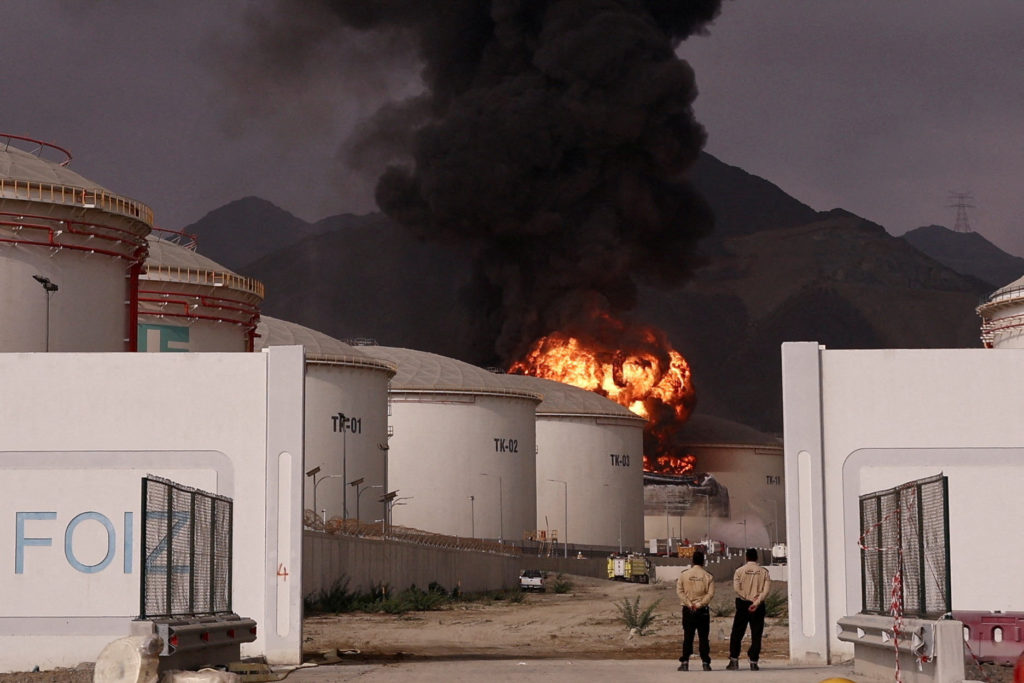
— President Donald Trump, aboard Air Force OneThe stakes here are hard to overstate. The Strait of Hormuz is the narrow waterway through which roughly a fifth of the world's oil passes every single day. Since Iran's threats began choking that traffic following the U.S.-Israeli strikes, crude prices have rocketed upward, dragging up the cost Americans pay at the gas pump at the worst possible political moment — just as the midterm election season starts heating up. Every day that tankers sit idle or take dangerous detours is another day that ordinary families feel the squeeze.
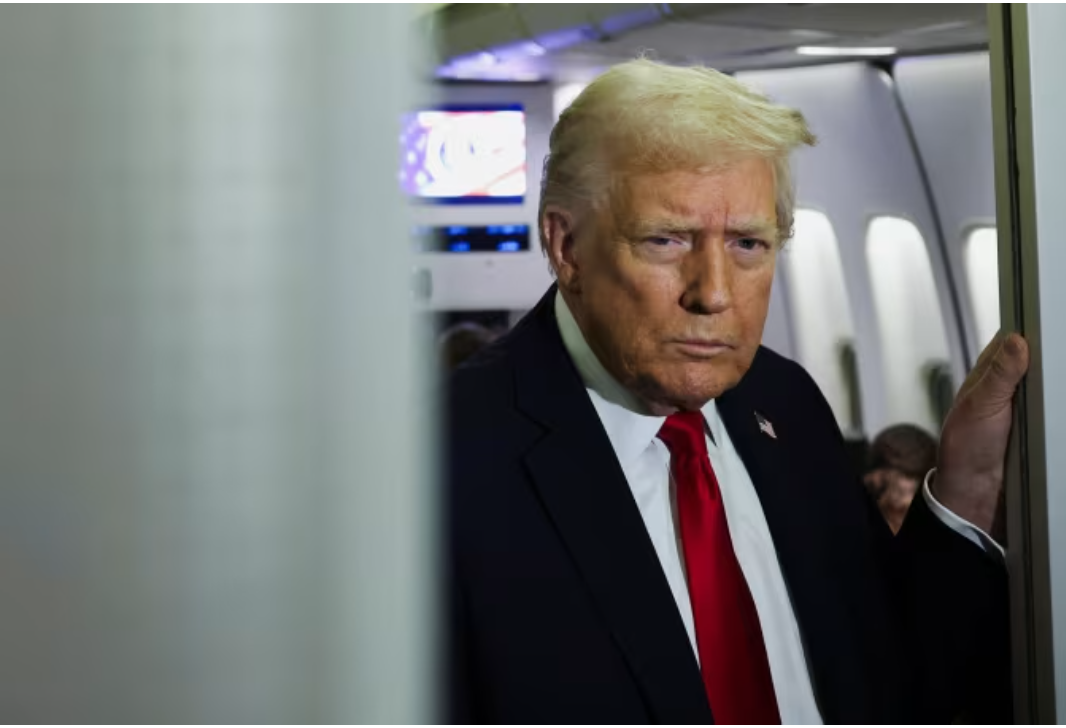
Trump told reporters aboard Air Force One as he returned from a weekend at his Florida estate that the United States had spoken with "about seven" nations about joining the escort effort with their own warships. He declined to name them. When pressed on China specifically, he deflected — then circled back to suggest that, yes, he had in fact floated the idea to Beijing. So far, no country has formally agreed to participate.
Meanwhile, U.S. Treasury Secretary Scott Bessent was in Paris on Monday meeting with Chinese Vice Premier He Lifeng for a fresh round of trade negotiations — talks that were originally designed to smooth the path for Trump's Beijing summit. Washington and Beijing have maintained a fragile tariff truce in recent months, but the Iran crisis has injected enormous new tension into a relationship already stretched thin by competing economic ambitions and mutual suspicion.
China's official response was notably careful. A spokesperson for the Chinese Embassy in Washington said the strait is "an important route for international goods and energy trade" and that keeping the region stable serves global interests. Beijing, the spokesperson added, would "play a constructive role for de-escalation and restoration of peace." It was the language of a country that wants credit for diplomacy without committing to anything that looks like alignment with Washington's military operation.
That caution is understandable given China's own economic headwinds. Beijing recently trimmed its 2026 growth target to between 4.5 and 5 percent — its most modest projection since 1991. A prolonged Hormuz disruption would hammer Chinese factories just as leaders are already struggling to keep the economy moving. In that sense, Trump's leverage is real: China needs the oil lanes open as badly as anyone.
What makes this moment extraordinary is the speed at which everything has shifted. Less than three weeks ago, Trump was publicly downplaying Iran's ability to cause serious trouble in the strait and boasting that U.S. navy vessels would keep tankers moving. Now his administration is scrambling to assemble an international coalition, oil markets are in turmoil, and the Beijing trip — a centerpiece of Trump's second-term foreign policy — is officially "under review." The Iran conflict did not just blow up a country's nuclear ambitions. It blew up the entire geopolitical chessboard, and every major power is now figuring out where the pieces landed.
Discover more from AMERICA NEWS WORLD
Subscribe to get the latest posts sent to your email.