Table of Contents
ToggleTrump "Surprised" as Iran's Drone Storm Turns on America's Gulf Allies
Iran has unleashed thousands of drones and missiles on Bahrain, Kuwait, Saudi Arabia and beyond — nations that had tried to stay out of the war. Now Washington's closest partners in the region are caught between two fires.
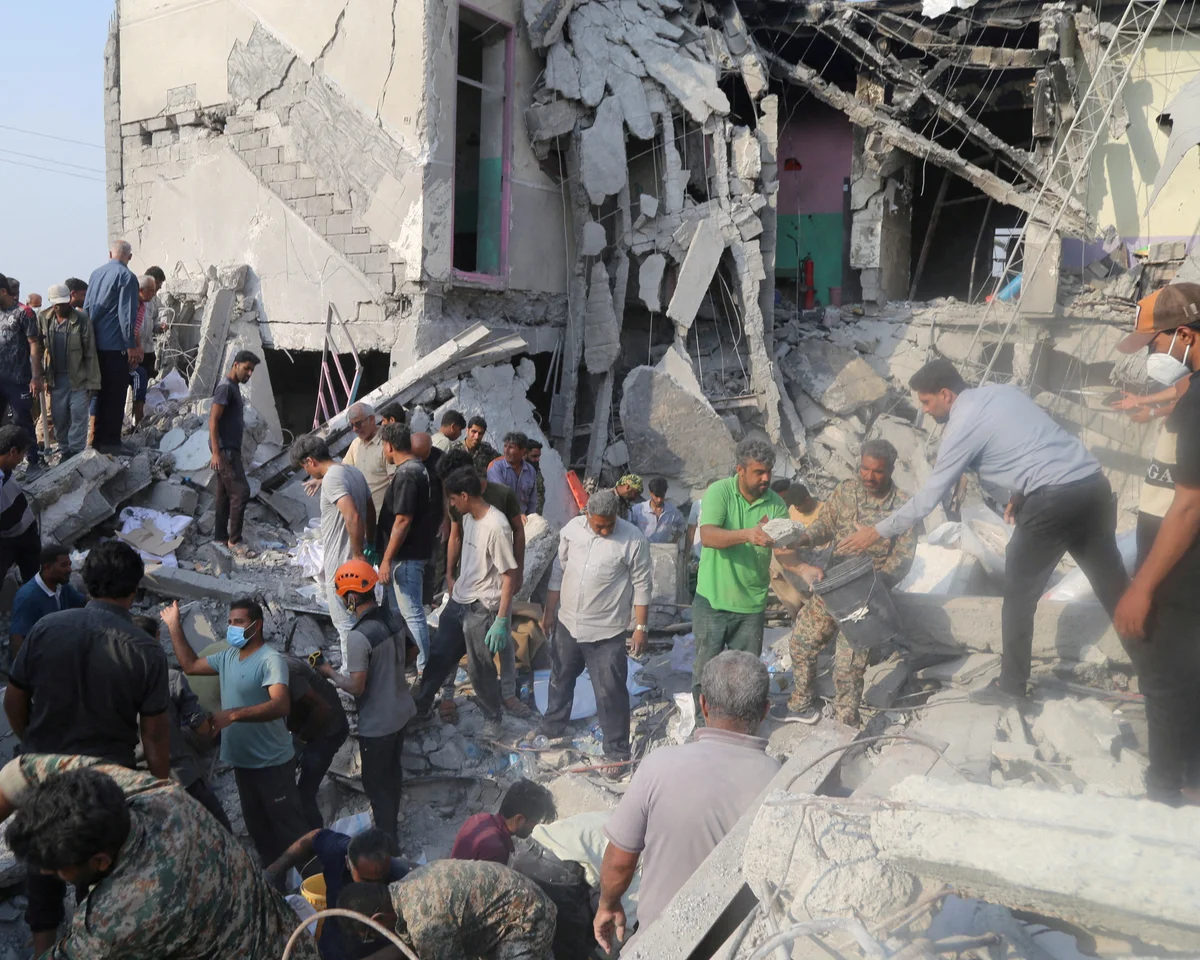
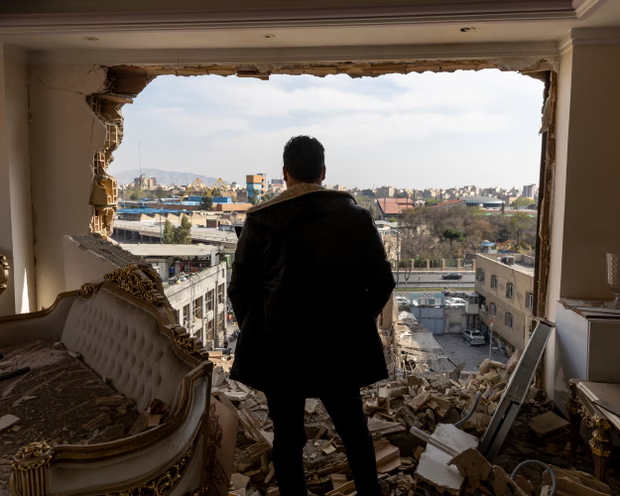
A man surveys damage in Tehran's Khani Abad neighbourhood. Smoke also rose over Kuwait City and Manama after successive drone strikes. — AFP / Getty Images
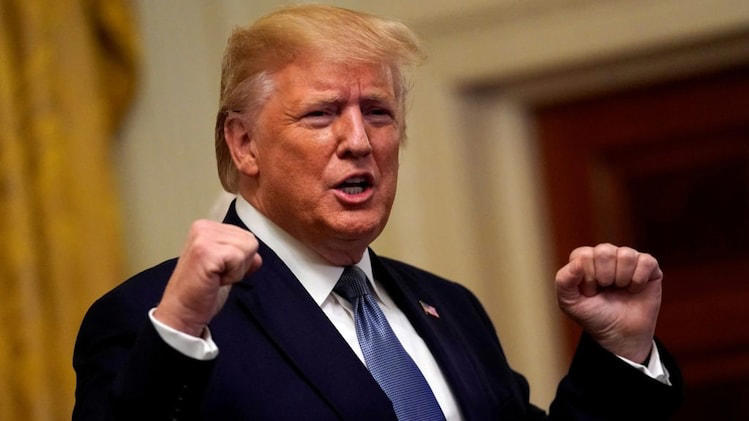
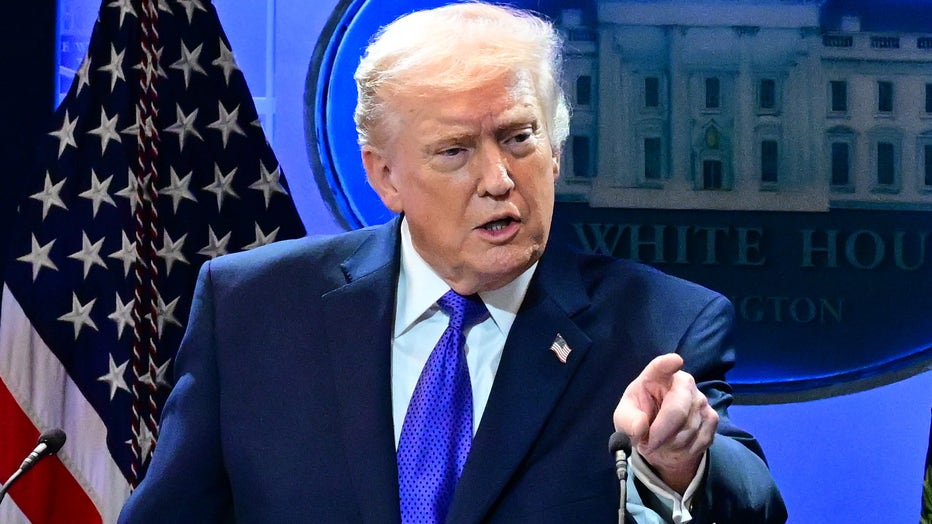
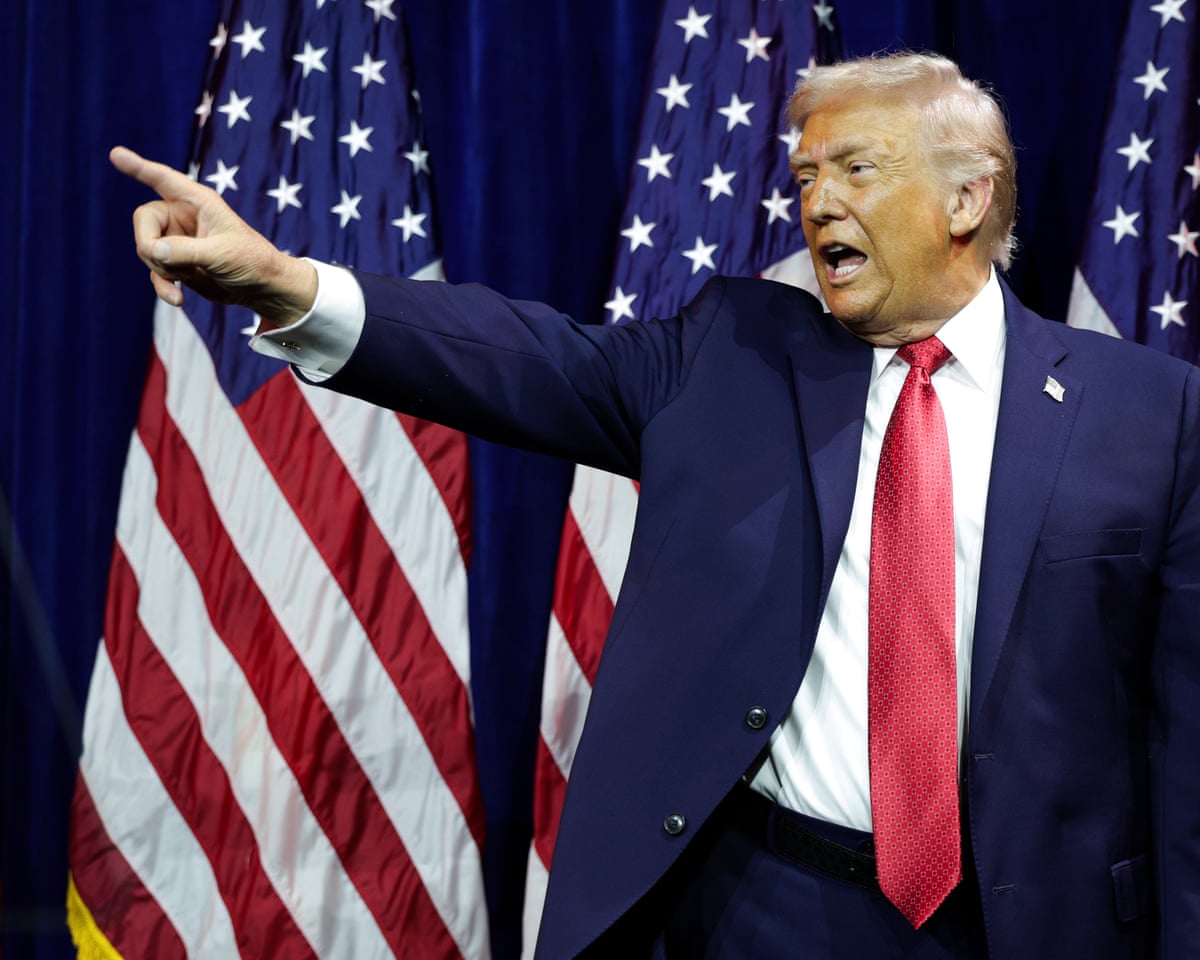
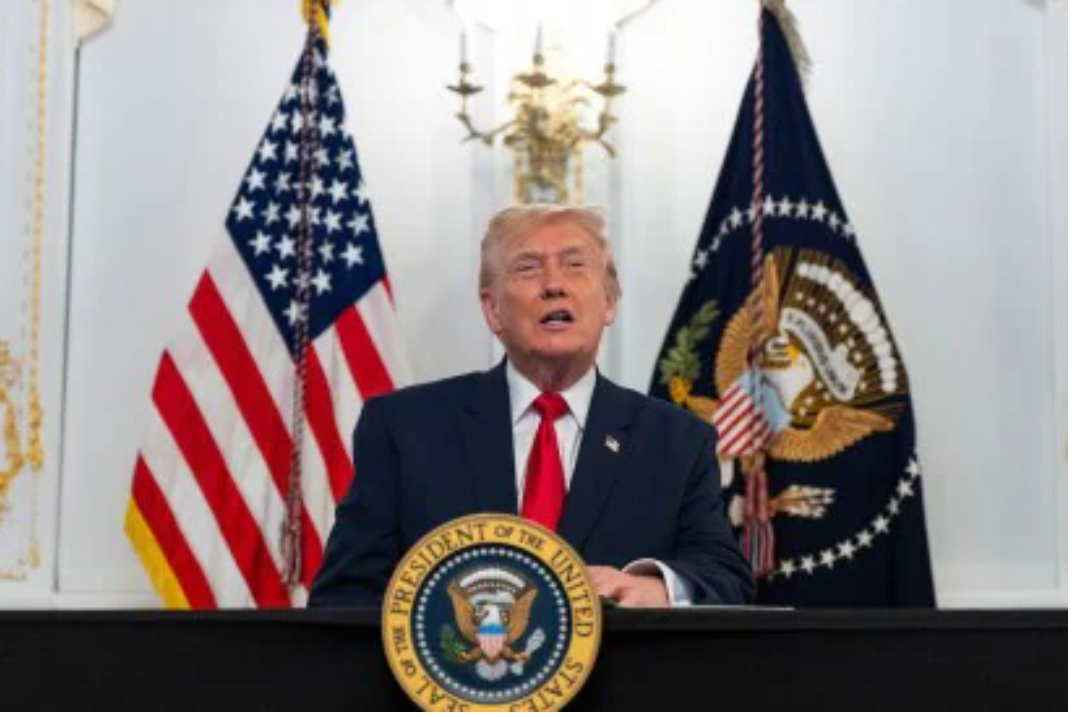
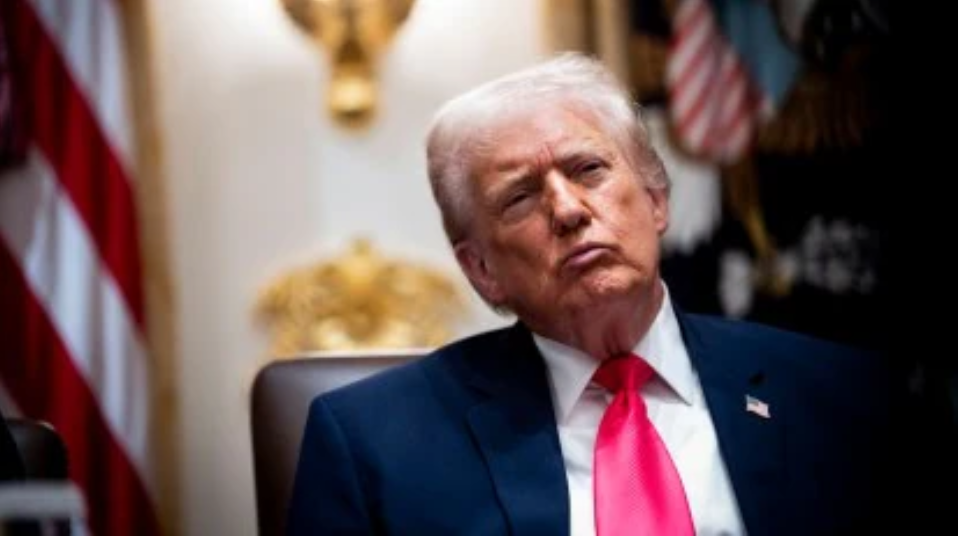
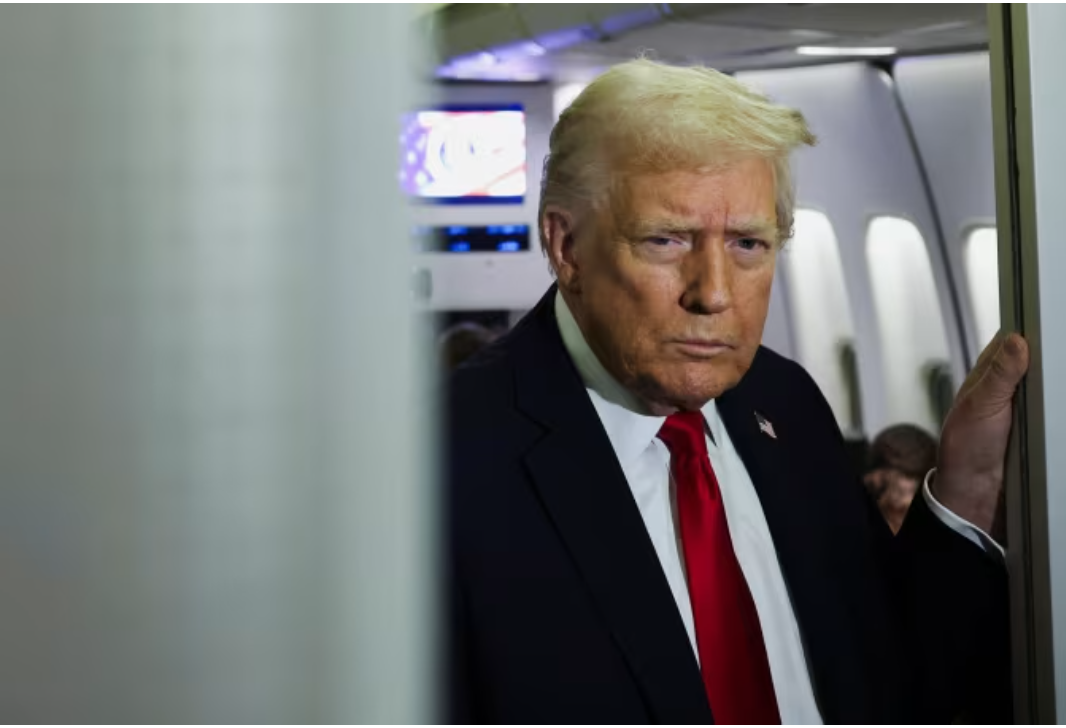
President Donald Trump admitted he was caught off guard by one of the most significant escalations of the US-Israel war on Iran: the decision by Tehran to strike American allies across the Persian Gulf. In a weekend interview with NBC News, Trump described the targeting of Gulf states as "the biggest surprise I had of this whole thing," adding that these nations — which he called "terrific" — had been "shot at unnecessarily."
The admission reveals a striking intelligence or diplomatic failure. For decades, Bahrain, Kuwait, Saudi Arabia, the United Arab Emirates, Qatar and Oman have served as indispensable pillars of American power projection in the region. They host US military bases, provide logistical infrastructure, and have collectively purchased hundreds of billions of dollars in American weapons and technology. In return, Washington has pledged to stand as their ultimate security guarantor.
They got shot at unnecessarily. That was the biggest surprise I had of this whole thing.
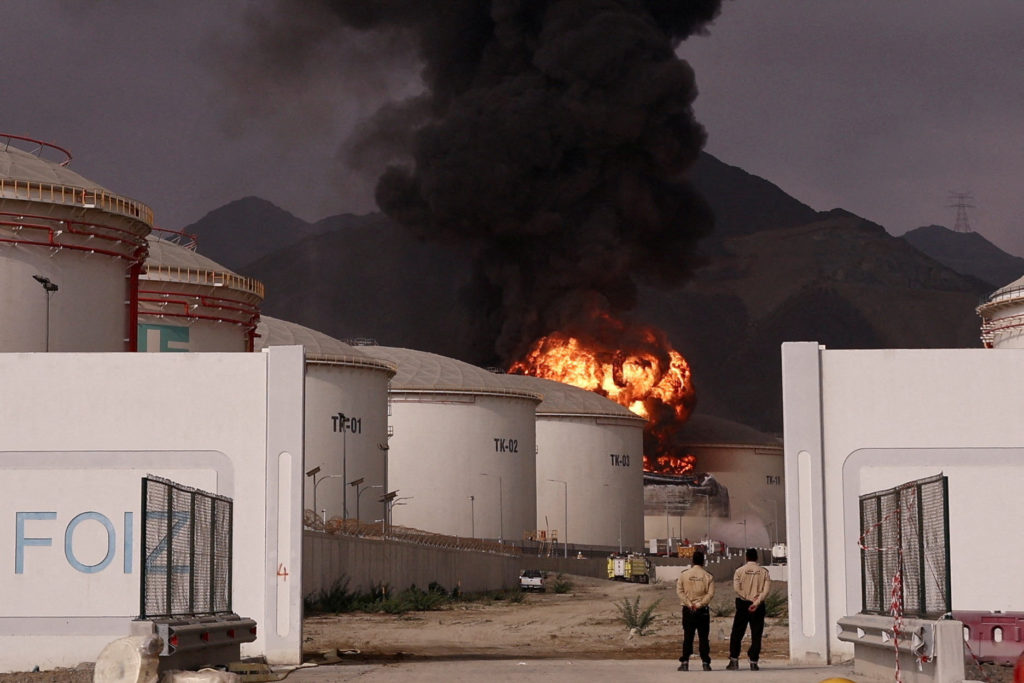
— President Donald Trump, NBC News interview, March 2026Yet that guarantee is now being tested in real time. Iran, facing a relentless US-Israeli military campaign, has chosen to expand the battlefield — and the Gulf monarchies are paying the price. Tehran launched a sweeping barrage that targeted airports, military bases, oil refineries, ports, hotels and office buildings across multiple countries. Images from Manama, Bahrain showed the shattered facade of a high-rise in the Seef district. In Kuwait City, thick black smoke billowed from buildings struck by Iranian drones overnight.
🎯 What Iran Has Targeted in the Gulf
- Bahrain: Seef district commercial buildings, military logistics hubs near US Naval Forces Central Command.
- Kuwait: Downtown high-rises, an oil refinery on the outskirts of Kuwait City, and port infrastructure.
- Saudi Arabia: An oil processing facility in the Eastern Province, echoing the 2019 Abqaiq strike — but on a far larger scale.
- UAE & Qatar: Airports reported brief closures after drone incursions; no confirmed casualties released.
- Oman: Targeted despite its traditional role as a back-channel between Washington and Tehran.
Gulf states had privately assured Iran that none of the US bases on their soil would serve as launch pads for offensive strikes. That assurance, analysts say, has not slowed Iran's campaign for a moment. Tehran appears to have concluded that there is no neutral ground — that any country hosting American forces is, by definition, a belligerent. The scale of the retaliation has stunned even veteran Gulf security officials who had long anticipated some level of blow-back.
The strategic consequences could reshape the region's political landscape far beyond the current conflict. Gulf monarchies have invested enormous diplomatic energy in recent years diversifying their relationships — building ties with China through major investment accords, reopening channels with Iran itself via a landmark 2023 Saudi-Iranian normalization brokered by Beijing, and quietly signaling to Washington that the old model of unconditional alignment has limits. Now they find themselves dragged back into a binary confrontation they desperately wanted to avoid.
Analysts note a deepening credibility problem for Washington. "The US sold these countries a security umbrella," said one Gulf-based strategic adviser who asked not to be named. "What they're discovering is that umbrella has large holes in it the moment a conflict becomes existential for Iran." American air and naval assets in the region have intercepted hundreds of Iranian drones and missiles since the conflict began, but the sheer volume of Iran's strikes has meant that significant numbers are getting through.
For Trump, the Gulf crisis adds a new layer of political complexity to a war that his administration initially framed as a decisive, time-limited operation to destroy Iran's nuclear program. Instead of a swift conclusion, the US now faces a widening regional conflict, rising oil prices, and nervous allies questioning whether American protection is worth the cost. The president's candid admission of surprise on national television will do little to reassure Gulf capitals already wondering whether Washington fully grasped the risks it was unleashing when the first strikes began.
The coming days will test whether the Gulf states hold firm in support of US operations, seek a rapid diplomatic off-ramp, or begin signaling to Tehran — and Beijing — that a new arrangement may be necessary. The outcome will determine not just the shape of this war, but the architecture of American power in the Middle East for a generation.
Discover more from AMERICA NEWS WORLD
Subscribe to get the latest posts sent to your email.