Table of Contents
ToggleModi Forms 7 Empowered Groups as West Asia War Squeezes India's Fuel, Food and Supply Chains
Invoking India's COVID-19 crisis playbook, Prime Minister Narendra Modi has constituted seven high-level expert panels to shield the country from the deepening economic fallout of the Iran war — warning citizens that "serious side effects" of the conflict are inevitable and that self-reliance is now the only path forward.
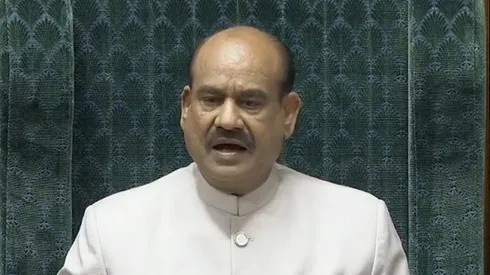
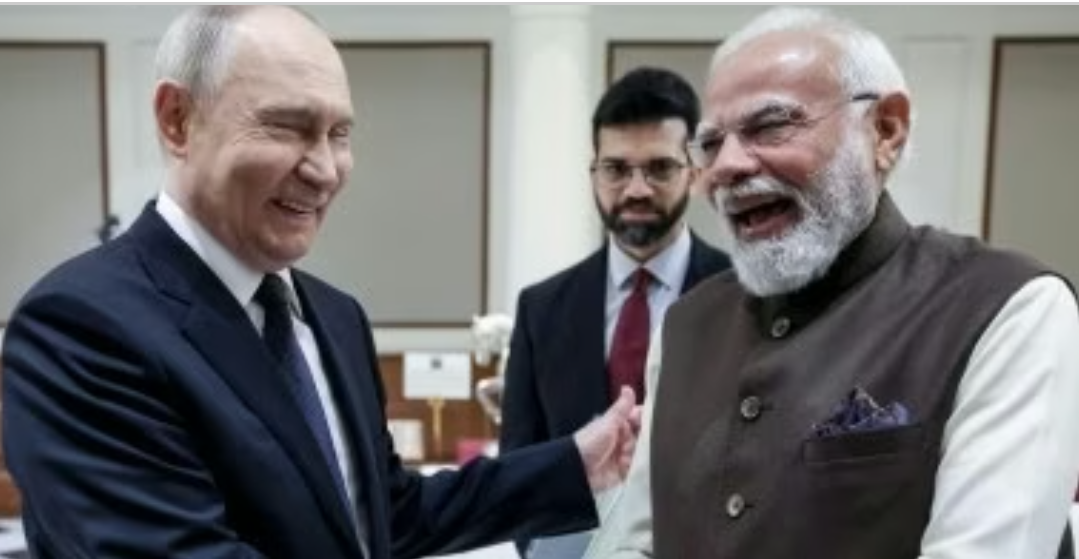
Prime Minister Narendra Modi announced on Tuesday that the Indian government had constituted seven empowered groups of senior officials and experts to manage the cascading consequences of the West Asia war on India's economy — drawing an explicit parallel to the expert panels that guided India's national COVID-19 response in 2020 and 2021.
"We must confront every challenge with patience, restraint, and a calm mind. Self-reliance is the only option going forward."
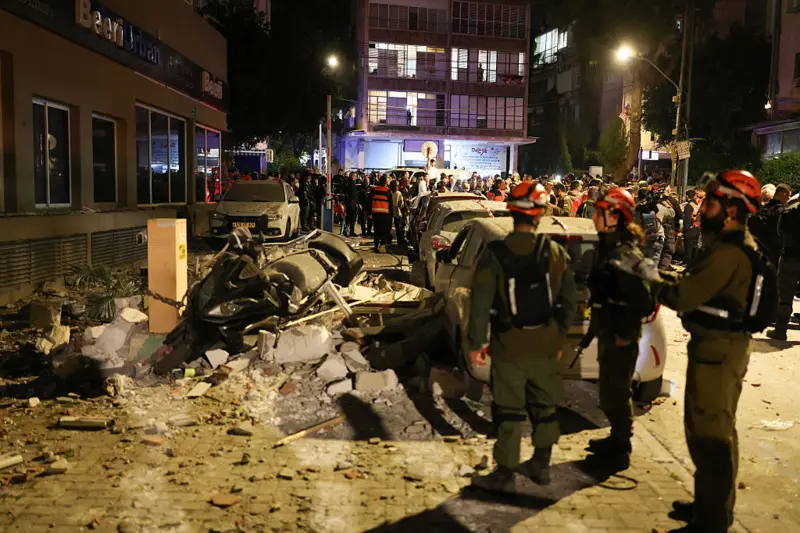
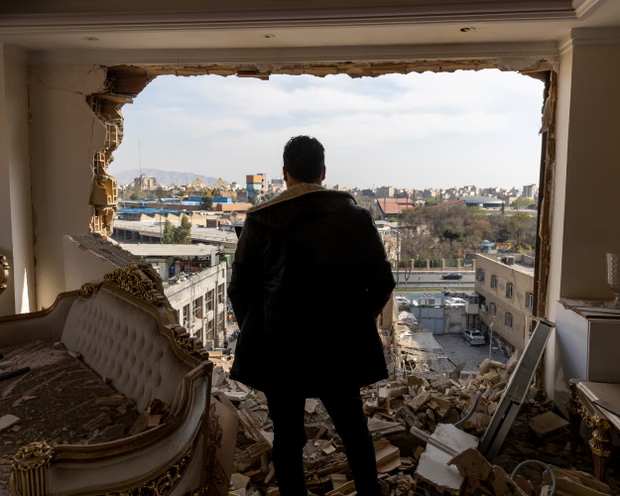
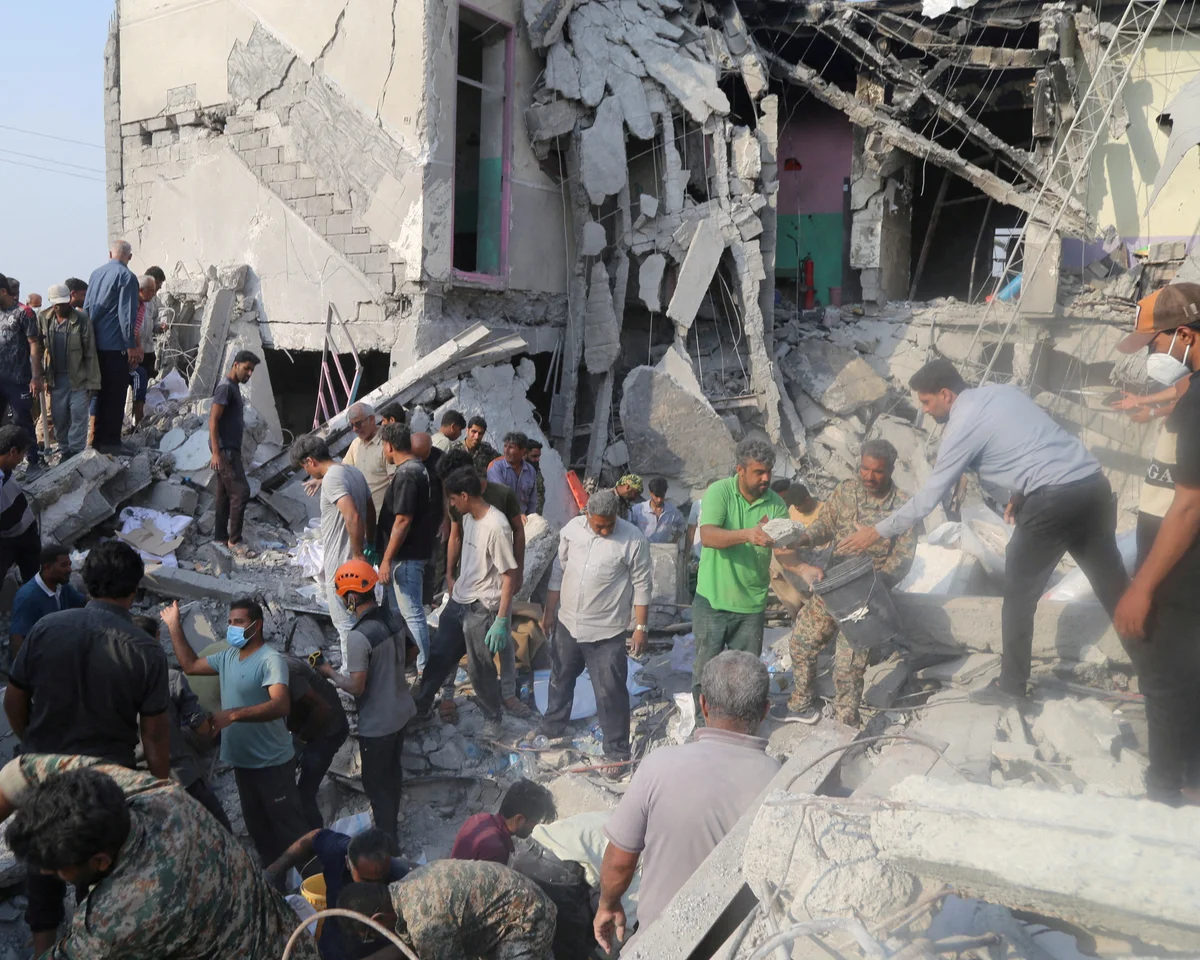
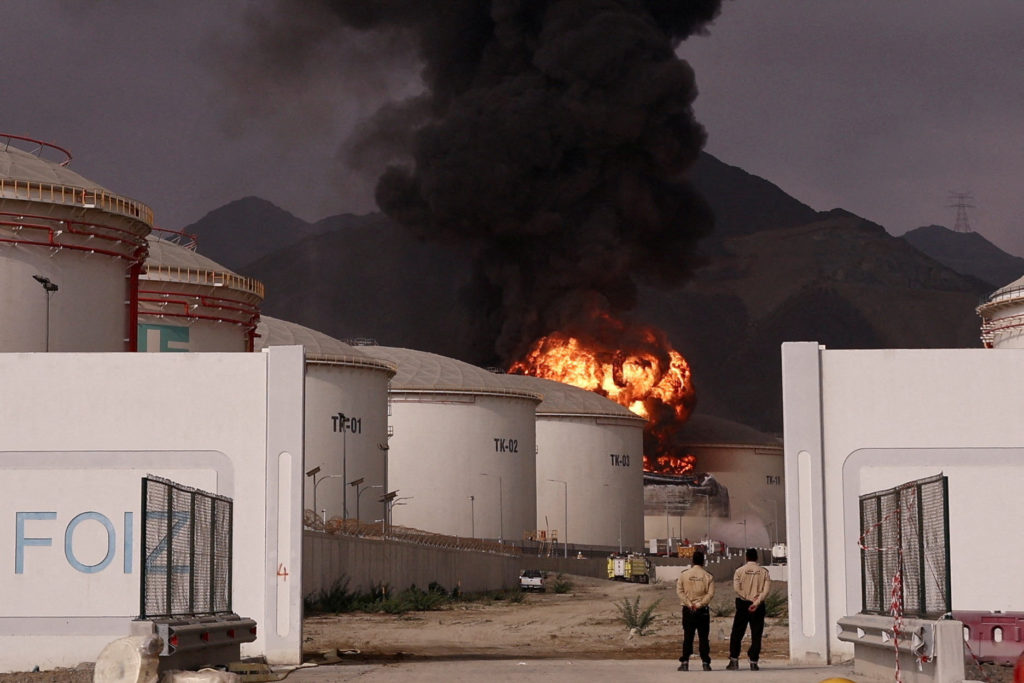
— PM Narendra Modi, Statement in Rajya Sabha, March 24, 2026Speaking in the Rajya Sabha, Modi acknowledged that the ongoing conflict — now entering its fifth week since the US-Israel strikes on Iran on February 28 — was creating unprecedented challenges for India's supply of crude oil, natural gas, and fertilisers. The closure of the Strait of Hormuz has strangled a critical artery of Indian imports, pushing fuel prices and inflation higher across the country.
| Group | Focus Area |
|---|---|
| 1 — Foreign Secretary Vikram Misri | Strategic & diplomatic issues |
| 2 — Secy. Anuradha Thakur | Economy & supply chains |
| 3 — Petroleum Secy. Neeraj Mittal | Oil, LNG & LPG supply |
| 4 — Fertilisers Secy. Rajat Kumar Mishra | Agricultural inputs |
| 5 — Secy. Nidhi Khare | Essential commodities |
| 6 — Ports & Shipping Secy. Vijay Kumar | Transport & logistics |
| 7 — I&B Secy. Sanjay Jaju | Public communication |
Modi stressed that India's strategic petroleum reserves — currently standing at 53 lakh metric tonnes — provide a buffer, and that the government is working to expand that capacity to 65 lakh MT. He also assured farmers that fertiliser supplies for the upcoming kharif season would be protected, even as global supply chains buckle under the pressure of the conflict.
On the diplomatic front, India has adopted a careful posture — not taking sides in the US-Israel conflict with Iran, while actively engaging all three parties to push for de-escalation. Modi called the attacks on commercial ships and the disruption of international waterways "completely unacceptable," and said India's aim is the reopening of the Strait of Hormuz to global shipping.
The Prime Minister was unambiguous about the road ahead: if the West Asia crisis persists for an extended period, India will face serious economic consequences. But he expressed confidence that through coordinated action, India would navigate the crisis as it has overcome every challenge before — together, and with resolve.
Discover more from AMERICA NEWS WORLD
Subscribe to get the latest posts sent to your email.