Table of Contents
Toggle
Iran Confirms Death of Security Chief
Ali Larijani — President Vows Revenge
Hours after Israel claimed responsibility for killing Iran's top security official in a targeted airstrike, Tehran officially confirmed his death — and promised a fierce response.
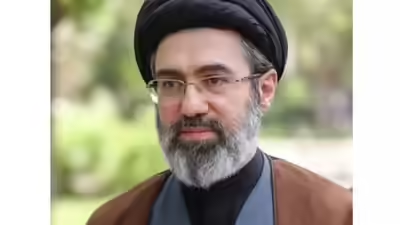
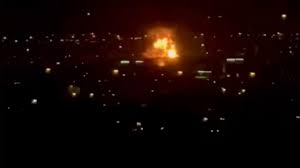
Iran officially confirmed on Tuesday that Ali Larijani, the country's powerful national security chief, was killed in an Israeli airstrike — a stunning blow to the Islamic Republic's inner circle at a moment when the region is already teetering on the edge of full-scale war. The announcement came hours after Israel publicly claimed responsibility for the strike, sending shockwaves through diplomatic and military circles across the world.
"The pure souls of the martyrs embraced the purified soul of God's righteous servant — Martyr Dr. Ali Larijani."
— Iran's Supreme National Security CouncilIran's Supreme National Security Council released a formal statement describing Larijani as a lifelong defender of the Islamic Revolution who had — in their words — finally "achieved the sweet grace of martyrdom in the trench of service." The language was deliberate, casting a military assassination as a moment of honour rather than defeat.
Iranian President Masoud Pezeshkian was visibly shaken by the news, calling Larijani's absence "bitter and upsetting" in a formal condolence message. He praised the fallen official's decades of dedication to Iran's government and made clear that the country would not stand down — pledging to "continue the path of defiance and resistance" and to avenge Larijani's blood. The message was as much a war cry as it was a eulogy.
⚡ Key Developments at a Glance
- Ali Larijani, Iran's national security chief, killed in an Israeli airstrike on Tuesday night.
- Israel also confirmed eliminating Gen. Gholamreza Soleimani, head of the Basij volunteer force.
- Funerals for both officials announced for Wednesday morning in central Tehran.
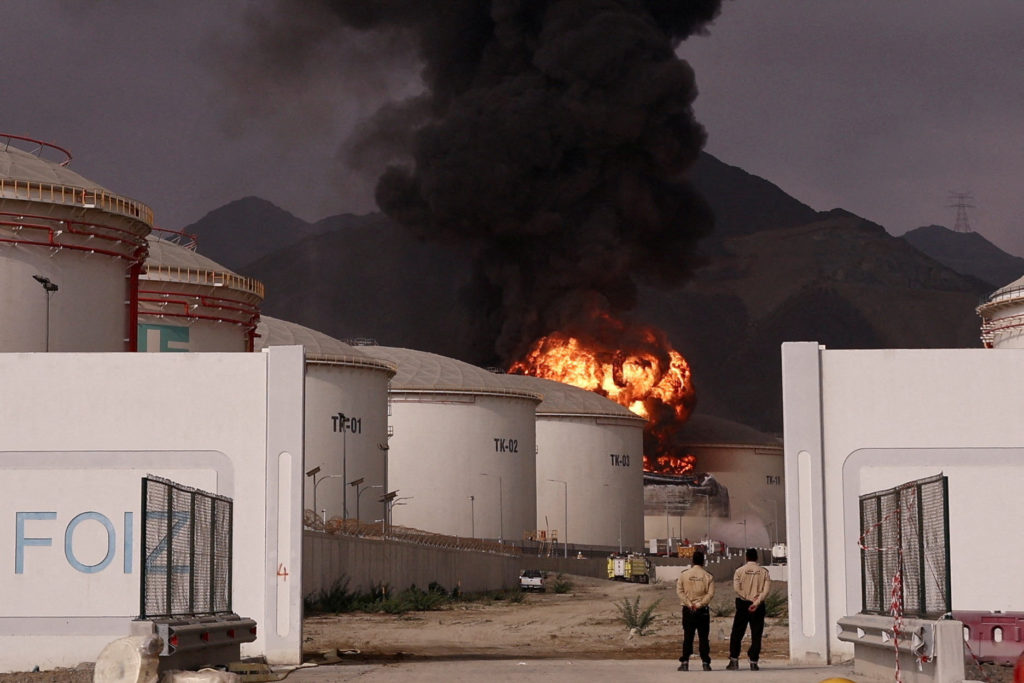
- The United States struck Iranian missile launch sites near the Strait of Hormuz using 5,000-pound munitions.
- Iran retaliated with cluster bomb strikes on Tel Aviv, Iranian state media reported.
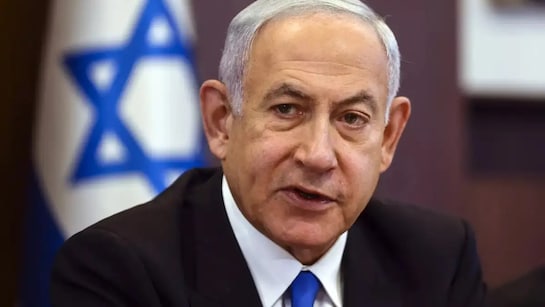
Israeli Prime Minister Benjamin Netanyahu wasted no time weighing in with characteristic bluntness. In a televised address, he described Larijani as "the boss of the Revolutionary Guards — which is the gang of gangsters that actually runs Iran." He went on to suggest that the Iranian people themselves could one day overthrow their leadership, but added a note of caution: change of that magnitude, he warned, "will not happen all at once, it will not happen easily."
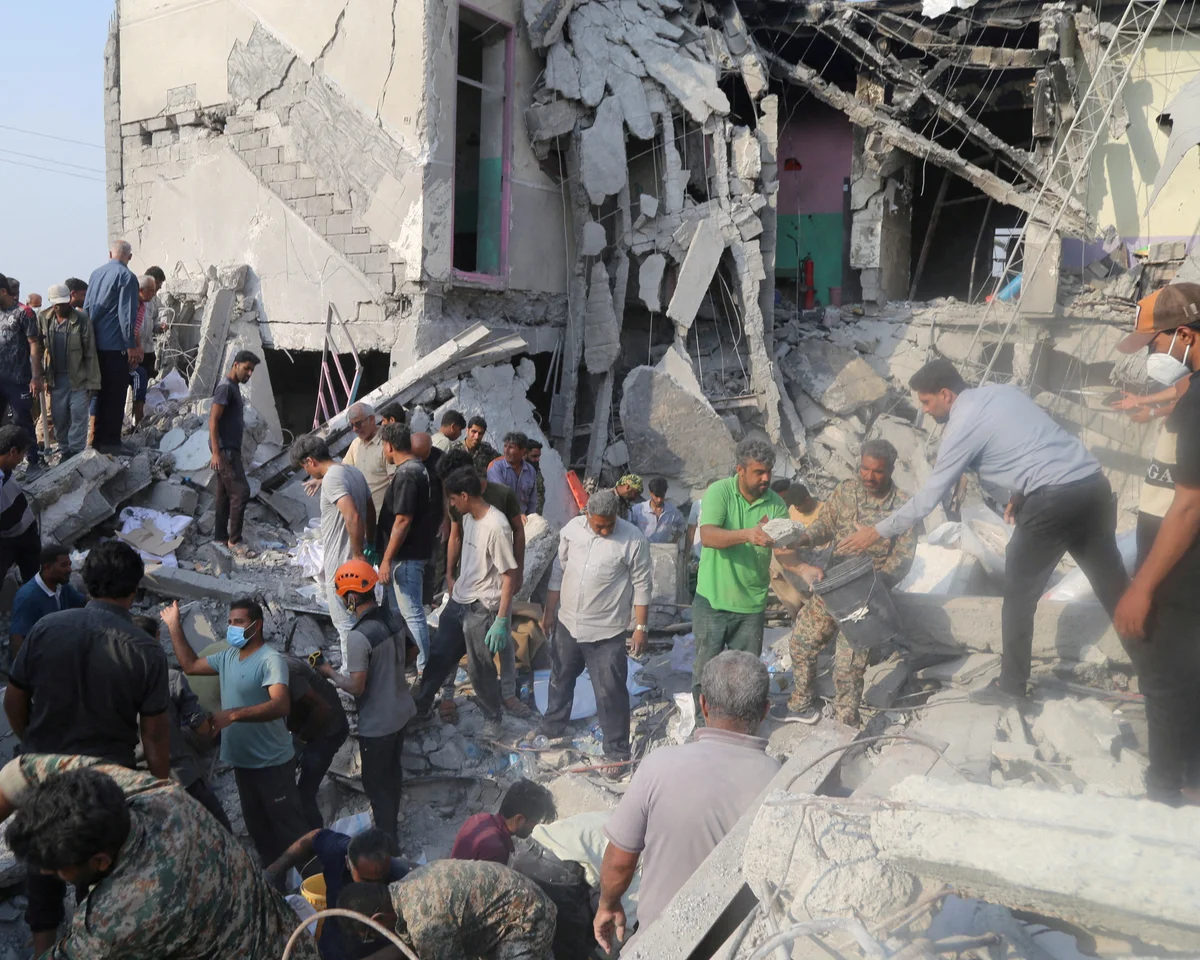
Beyond Larijani, Israel announced it had simultaneously eliminated another senior figure — General Gholamreza Soleimani, the head of the Basij, Iran's feared all-volunteer paramilitary force. Israeli Defence Minister Israel Katz confirmed both killings in a statement, saying the two officials were "eliminated last night." The Israeli military followed up with strikes on Basij positions around Tehran, signalling that the operation was not a one-off hit but part of a broader campaign against Iran's military command structure.
The deaths of two such high-profile figures in a single night mark one of the most dramatic escalations in the Iran-Israel conflict to date. As funerals are prepared and Tehran's streets buzz with grief and anger, the world is watching closely — because what comes next could redefine the entire Middle East. America News World will continue to bring you every development as this breaking story unfolds.
Discover more from AMERICA NEWS WORLD
Subscribe to get the latest posts sent to your email.