Table of Contents
Toggle"Forgive Everyone, Now Go" — Harish Rana Moved to AIIMS for Court-Approved Passive Euthanasia
After 13 silent years in a vegetative state, 32-year-old Harish Rana begins his final journey — escorted by Supreme Court order, medical supervision, and a tearful farewell from his family in Ghaziabad.
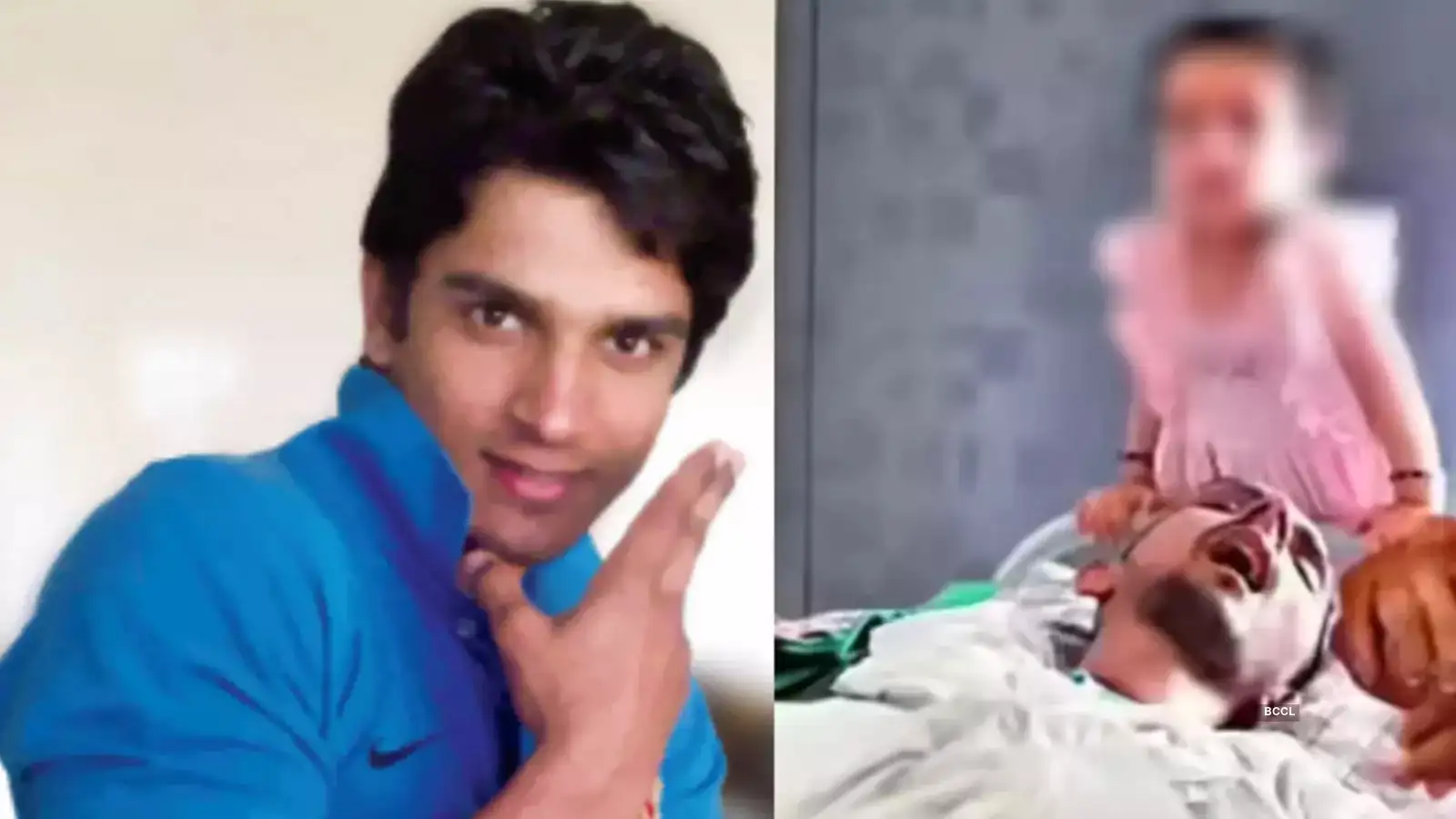
The room was quiet except for the soft weeping of those gathered around. A Brahma Kumari nun, her eyes glistening with tears, leaned gently toward the motionless figure on the bed and whispered words that carried the weight of thirteen years: "Forgive everyone, ask forgiveness from all — now it is time to go. It is okay." The video, filmed at Harish Rana's home in Ghaziabad on Friday, swept across social media by Saturday morning, touching millions of hearts and reigniting a national conversation about dignity, suffering, and the right to die.
By Saturday afternoon, Harish Rana — 32 years old, trapped in a vegetative state since a tragic accident in 2013 — was quietly transferred from his Ghaziabad home to the All India Institute of Medical Sciences (AIIMS) in New Delhi. The move came following a landmark order by India's Supreme Court, which granted permission for passive euthanasia to be carried out under strict medical supervision. At AIIMS, doctors will now gradually and carefully withdraw life support, allowing nature to complete what time alone could not.
Forgive everyone, ask forgiveness from all. Now it's time to go. It's okay.
— Brahma Kumari Nun, at Rana family home, Ghaziabad — Friday, March 14, 2026Harish Rana's story began in 2013, when he suffered a severe brain injury that left him in a persistent vegetative state — alive by the most technical definition, yet unresponsive to the world around him. For over a decade, his family became his entire world, maintaining round-the-clock vigil, financing medical costs, and carrying the unimaginable emotional burden of watching their son, brother, and husband suspended between life and death. Year after year, they held on — hoping for a miracle, while increasingly confronting a painful truth: that no miracle was coming.
It was this reality that eventually drove the family to approach India's highest court. Filing a petition seeking permission for passive euthanasia, the family argued that prolonging Rana's vegetative state amounted to an extension of suffering — not life. The legal process was slow, deliberate, and laden with ethical debate. But the Supreme Court ultimately agreed, issuing an order that not only permitted the withdrawal of life support but also mandated that the process take place at AIIMS Delhi under continuous and transparent medical oversight.
India's legal framework around passive euthanasia has evolved significantly over the past decade. The Supreme Court's 2018 ruling in the Aruna Shanbaug case established foundational precedents, and the Harish Rana verdict builds on that legacy. The court affirmed that in cases of irreversible vegetative states, competent family members, in consultation with a licensed medical board, may seek court approval to withdraw life-sustaining treatment. The ruling does not constitute "mercy killing" in the active sense — no drugs are administered to end life. Instead, it allows the body to cease functioning without artificial interference, in a medically managed, dignified environment.
Case At a Glance
- Harish Rana, 32, in vegetative state since 2013 — a span of 13 years
- Family filed petition with the Supreme Court of India for passive euthanasia
- Supreme Court granted permission; transfer to AIIMS Delhi ordered
- Life support to be withdrawn gradually under full medical supervision
- Farewell video recorded by family at Ghaziabad home on Friday, March 14
- Transfer to AIIMS completed on Saturday, March 15, 2026
The video of that tearful farewell struck a chord far beyond the walls of one family's home. Across India and among the Indian diaspora worldwide, people paused — sharing the clip not for sensation, but for the profound, quiet sorrow it carried. The Brahma Kumari's gentle words became, for many, a meditation on letting go: of loved ones, of grief, of the relentless human instinct to hold on. Social media threads filled with messages of solidarity for the Rana family, prayers for Harish's peaceful passage, and a renewed public debate about end-of-life care, living wills, and the rights of patients who can no longer speak for themselves.
As Harish Rana now rests under the lights of AIIMS Delhi, the country that watched him for thirteen years watches still — this time, with a different kind of waiting. His family, exhausted and heartbroken but resolute, has made their peace. They chose love over prolongation, dignity over duty. And in doing so, they may have quietly changed what it means in India to say goodbye.
Discover more from AMERICA NEWS WORLD
Subscribe to get the latest posts sent to your email.