Table of Contents
ToggleA Chinese Tanker Just Snuck Through the World’s Most Dangerous Strait
A Chinese Tanker Just Snuck Through the World's Most Dangerous Strait
While most ships are too scared to enter, one bold fuel tanker sailed through the Strait of Hormuz — right along the Iranian coast — and the world is watching closely.
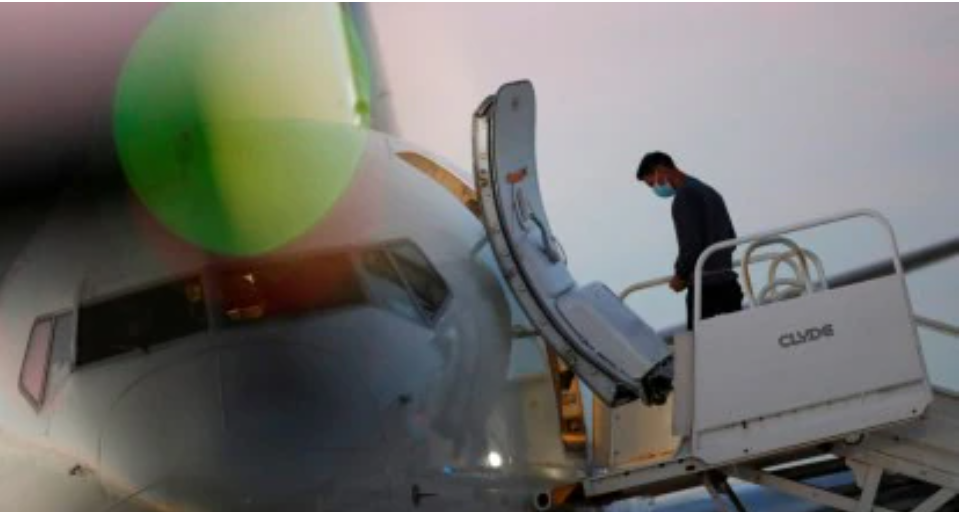
Imagine driving your car through a road that is blocked because of a massive fight happening right in the middle of it. Scary, right? That is basically what a Chinese-owned ship just did — but on the sea. A fuel tanker called Bright Gold sailed through the Strait of Hormuz, one of the most dangerous and tense stretches of water on the planet right now, and it made it through safely. This is a big deal, and here is why every American should care.
"Only a trickle of ships have passed through Hormuz since the Middle East war began. Bright Gold just became one of the very few."
— America News World AnalysisThe Strait of Hormuz is a thin strip of ocean between Iran and Oman. About 20% of the world's oil passes through it on a normal day. When ships stop moving there, energy prices go up — and that hits your gas tank, your grocery bill, and your heating costs. Since a new Middle East war broke out at the end of February 2026, most ships have been too afraid to pass through. The number of vessels using this route has dropped to almost nothing. So when a ship does go through, it is front-page news.
📌 Quick Facts — Know The Story Fast
- Ship NameBright Gold — an MR2 fuel tanker
- Owner CountryChina (GS Chemical Transportation Ltd.)
- What It Carried~2,700 tons of diesel fuel
- Fuel OriginRuwais, United Arab Emirates
- Route TakenBetween Iranian islands Qeshm & Larak
- Now LocatedOff Sohar Port, Oman — safe!
- War StartedEnd of February 2026
- Other ShipsTwo Indian LPG ships used same route
Bright Gold did not just wander through blindly. It chose a very specific channel — the narrow passage between two Iranian islands called Qeshm and Larak. This route has become a kind of unofficial safe lane, used only by ships that have a special relationship with Iran. China and Iran have close political and trade ties. India also quietly talked to Iran and got permission for two of its gas carrier ships to use the same path. This tells us something important: Iran is not randomly attacking every ship. It is selectively letting certain countries pass, while keeping others out.
Why This Matters To You — Right Now
If Hormuz stays blocked for most ships, oil supplies tighten globally. That means higher gas prices at American pumps, costlier flights, and rising prices on almost everything shipped by truck or plane. Every tanker that gets through matters — and every one that doesn't, costs you money.
The ship had collected its diesel through what sailors call a ship-to-ship transfer — meaning one ship passed fuel to another while both were floating at sea. That happened roughly two weeks before Bright Gold's famous crossing. The diesel itself was originally loaded from the port of Ruwais in the United Arab Emirates earlier in March. After picking up its cargo, Bright Gold made its move, sailing quietly through the war-zone strait and emerging on the other side near Oman.
So who else has been brave enough — or connected enough — to cross? Reporters tracking ship movements say only a very small number of vessels have successfully made the trip since the war began. Those ships include ones with ties to Iran itself, China, and Syria. That's it. Every other country's ships are waiting, rerouting around Africa, or simply sitting still. The global shipping industry is holding its breath, watching each crossing like a dramatic movie scene.
"Iran is not attacking everyone. It is choosing who gets through — and that choice is shaping world energy flows in real time."
— Atish Oraon, America News WorldIndia's case is especially interesting. New Delhi officially announced that it spoke directly with Tehran — Iran's government — to secure safe passage for its gas carrier ships. Two Indian LPG tankers then used the exact same Iranian coastal route as Bright Gold, just days before. This shows that diplomacy is the new weapon in this sea war. Countries that are talking to Iran are getting through. Countries that are not — or that are siding strongly with Iran's enemies — are not.
The United States, meanwhile, is watching all of this very carefully. American warships are present in the region. Washington has been pushing for the strait to remain open for international trade — it is one of the core principles of global commerce. But for now, Iran appears to be setting the rules of the road. Or rather, the rules of the sea.
As for Bright Gold itself, the ship is now quietly anchored off the port of Sohar in Oman — safely out of the strait, mission accomplished. Its managers and owners have not said a word publicly. No press release, no celebration. Just a ship that moved quietly through a war zone and came out the other side. In today's world, that counts as a victory.
The bigger story here is not just one tanker. It is a world that is changing fast — where the routes our fuel travels, the alliances countries make, and the quiet conversations between governments all decide whether the lights stay on and prices stay manageable. This little tanker called Bright Gold is a window into a much larger and scarier picture. And America News World will keep tracking every single crossing, so you stay informed, every step of the way.
© 2026 America News World · Written by Atish Oraon · All rights reserved.
Reporting the world — boldly, clearly, honestly.
Discover more from AMERICA NEWS WORLD
Subscribe to get the latest posts sent to your email.