
By_shalini oraon|america news world [ANW]

The Backseat Miracle: A San Francisco Birth Inside a Driverless Taxi
In a story that perfectly encapsulates the collision of cutting-edge technology and timeless human experience, a woman in San Francisco gave birth to a baby in the backseat of a driverless taxi while en route to the hospital. This unprecedented event, which occurred early on a Monday morning, has captivated the city and sparked conversations about the future of urban mobility, emergency response, and the unpredictable nature of life itself.
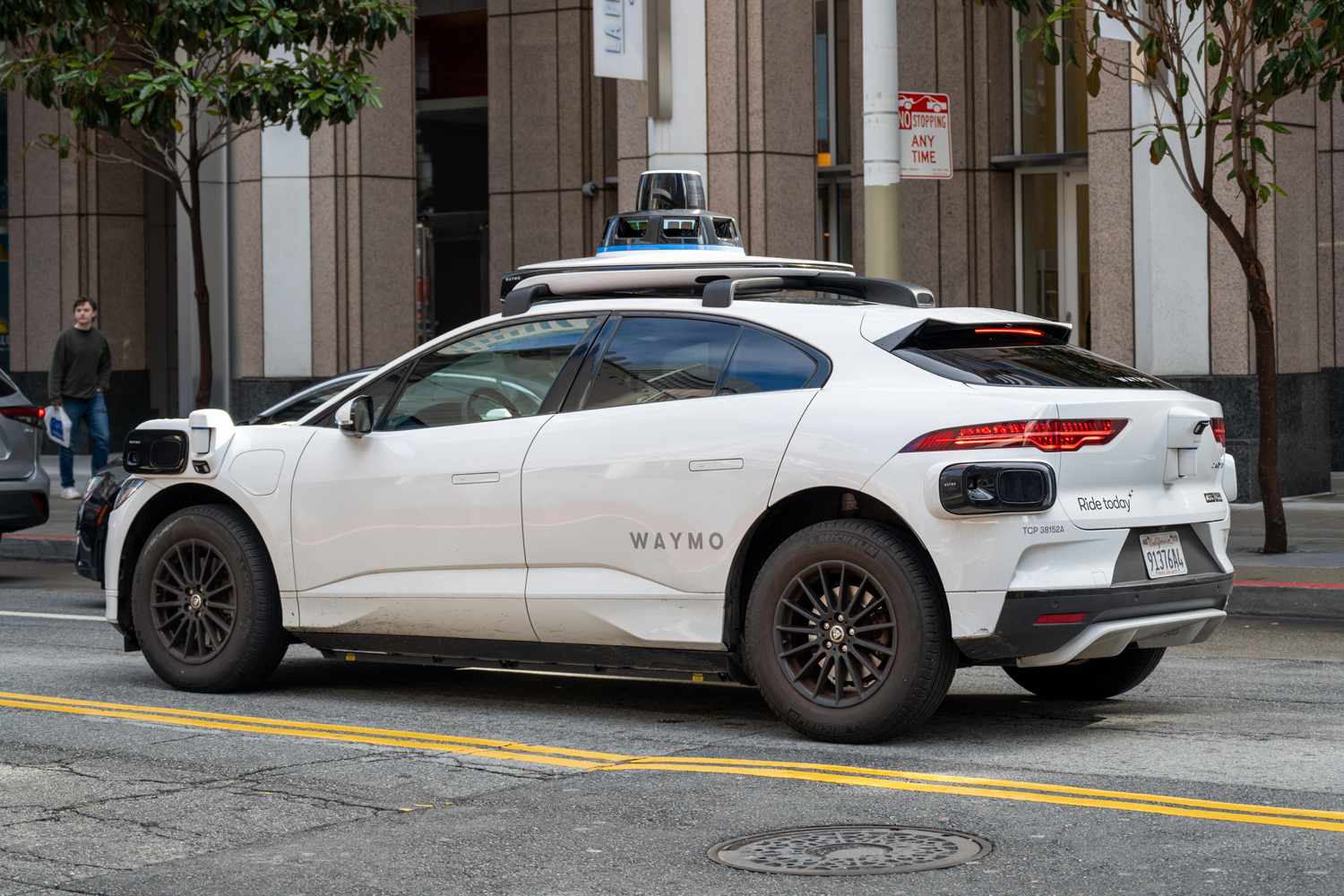
The mother, whose identity has been withheld for privacy, was with her partner when they realized the baby was coming faster than anticipated. With no time to wait for a traditional ambulance or their own car, they hailed a driverless cab operated by Waymo, the autonomous vehicle subsidiary of Alphabet (Google’s parent company). What was intended to be a swift, 15-minute trip to Zuckerberg San Francisco General Hospital turned into an urgent, improvised delivery room on wheels.
The Ride: From Transit to Trauma Bay
According to reports from the family and Waymo, the journey began normally. The couple entered the vehicle’s spacious, clean interior—a Jaguar I-PACE equipped with multiple sensors, cameras, and a smooth, pre-programmed driving style. As the car navigated San Francisco’s famously hilly streets, the mother’s labor rapidly progressed. It became clear they would not make it to the hospital in time.
Inside the vehicle, devoid of a human driver, the couple had to rely on themselves and remote assistance. Waymo vehicles are monitored by a fleet of remote “Fleet Response” specialists who can communicate with passengers via an in-car intercom system and provide limited assistance, such as unlocking doors or calling emergency services. In this case, the remote team was alerted to the situation and immediately connected the car to 911.
For the next 20 minutes, with the guidance of a 911 dispatcher on speakerphone, the partner helped deliver their child in the backseat of the autonomous vehicle. The car, oblivious to the human drama unfolding within its cabin, continued its steady, lawful course toward the hospital, a calm and silent chariot for a moment of intense chaos and joy. Upon arrival at the emergency room entrance, medical staff were waiting and swiftly took over, ensuring both mother and newborn were healthy and safe.
The Aftermath: Technology, Trust, and Humanity
This event raises a fascinating array of questions and highlights several key themes:
1. The Test Case No One Planned For: Autonomous vehicle companies rigorously test for millions of scenarios—pedestrians jaywalking, double-parked trucks, sudden road closures. But a live human birth was never in the simulation logs. The vehicle’s performance was, in a sense, perfect: it provided a safe, stable, and uninterrupted environment. It didn’t panic, swerve, or speed. It was a predictable platform in an utterly unpredictable situation. For proponents of the technology, this is a powerful testament to its reliability as a passive transit system.
2. The Human Element in a Driverless World: The story underscores that removing the driver does not remove the need for human judgment and assistance. The remote operators played a crucial, life-facilitating role by becoming the vital link to professional emergency services. However, it also highlights a gap: there was no physically present professional to assist. The experience would have been vastly different—and potentially more traumatic—had the parents been alone without a partner to act as de facto midwife.
3. A Public Relations Bonanza: For Waymo, this incident is a narrative goldmine. After a year of intense scrutiny in San Francisco, including incidents with fire trucks and minor traffic disruptions, this story showcases the technology as a benign, helpful, and ultimately successful public utility. Headlines shifted from “Robotaxi Chaos” to “Robotaxi Delivers Baby.” It’s a powerful human-interest story that builds emotional trust in a technology often viewed as cold and alien.
4. The San Francisco Paradox: The story is quintessentially San Franciscan—a blend of revolutionary tech and profound human moments happening against a backdrop of Victorian houses and fog. It’s a city that both champions and critiques technological disruption daily. This event sits at that intersection, prompting residents to wonder: is this the future we were promised?
A Glimpse Into the Future
This birth offers a glimpse into a near-future world where autonomous vehicles are woven into the fabric of daily life and its most critical moments. It suggests they could become integrated into emergency response ecosystems. Imagine a future where such vehicles, equipped with basic medical supplies (sterile kits, blankets) and direct, prioritized lines to EMS, could serve as auxiliary mobile safe spaces during crises.
However, it also serves as a caution. Not every emergency is a happy one. Regulators and companies must now consider a broader spectrum of in-vehicle medical emergencies—heart attacks, seizures, violent assaults—and develop more robust protocols. Should vehicles be equipped with more direct communication buttons? Could they automatically reroute to the nearest hospital if a passenger’s vital signs, detectable via future integrated sensors, indicate distress?
Conclusion: A Modern Fable
The tale of the San Francisco driverless taxi birth will be remembered as a modern fable. It’s a story about how the most advanced human creations can become the stage for the most fundamental human act. It reminds us that technology, at its best, doesn’t replace humanity; it supports it, often in ways we cannot foresee.
For the family involved, their child will forever have a unique origin story, a 21st-century counterpart to the baby born in the back of a taxicab or on the side of a freeway. For the rest of us, it’s a poignant, real-world data point in the grand experiment of reshaping our cities and our lives with artificial intelligence. The vehicle had no idea it was participating in a miracle. It simply did its job. And in doing so, perfectly and silently, it helped usher a new life into the world.
Discover more from AMERICA NEWS WORLD
Subscribe to get the latest posts sent to your email.






Leave a Reply