
By_shalini oraon

Winter Fury Grounds America: Over 1,800 Flights Cancelled as Coast-to-Coast Storm Snarls Travel
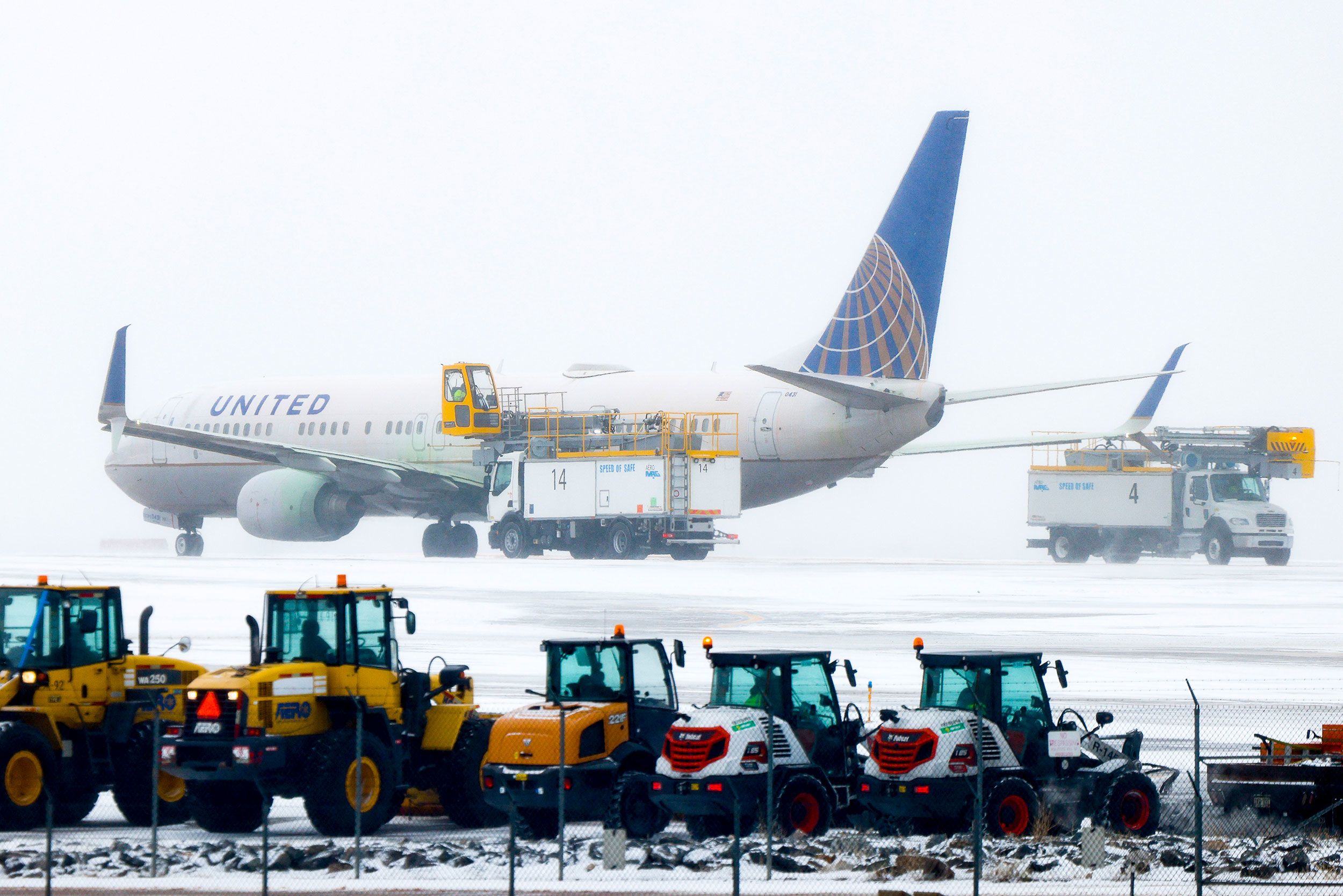
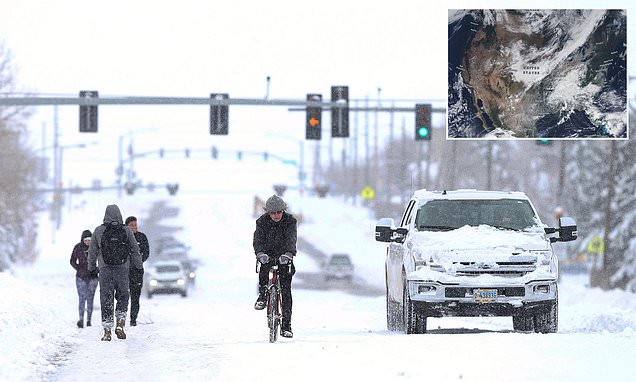
A powerful and expansive winter storm system, sweeping from the Rocky Mountains to the Northeast, has unleashed widespread travel chaos across the United States, cancelling over 1,800 flights and delaying thousands more in one of the most significant air travel disruptions of the season. The severe weather, a combination of heavy snow, blizzard conditions, freezing rain, and strong winds, has turned major airport hubs into scenes of frustration and stranded passengers, underscoring the vulnerability of modern air travel to nature’s whims.
The Epicenter of the Chaos: Major Hubs Paralyzed
The disruptions are not confined to a single region but are impacting a corridor of the country. Airports in the Midwest and Northeast have borne the brunt of the cancellations.
· Denver International Airport (DEN): As a primary gateway to the West and a major connection hub, Denver has been severely hampered by persistent snowfall and low visibility. With over 30% of its schedule cancelled, the ripple effects are being felt nationwide.
· Chicago O’Hare International (ORD) and Midway (MDW): The nation’s busiest aviation hub has been throttled by a mix of snow and fierce winds blowing off Lake Michigan. O’Hare’s cancellation rate soared as de-icing queues lengthened and airborne holding patterns became unsustainable.
· New York Area Airports (JFK, LGA, EWR): The storm’s eastward march has slammed the Northeast corridor. Newark Liberty International, a United Airlines fortress hub, along with LaGuardia and JFK, are experiencing cascading cancellations as airlines preemptively cut schedules to avoid aircraft and crew being stranded out of position.
· Boston Logan International (BOS): Forecasts for heavy, wet snow and wind gusts have led to a preemptive wave of cancellations, with airlines scrambling to adjust before the storm’s peak.
The domino effect is critical. A cancellation in Denver means a plane and crew won’t be in position for its next flight in Atlanta or Orlando, causing secondary cancellations hundreds of miles from the storm’s path.
Behind the Scenes: Why Can’t Airlines Just Push Through?
To the stranded traveler, the decision to cancel can seem premature or excessive. However, airline operations are a meticulously balanced ecosystem, and winter weather shatters that balance in several key ways:
1. De-icing and Safety Protocols: Safety is the non-negotiable priority. Aircraft must be meticulously de-iced immediately before takeoff during winter precipitation. This process, essential for preventing catastrophic ice buildup on wings, creates massive bottlenecks on taxiways, reducing an airport’s departure rate by half or more.
2. Crew “Timing Out”: Pilots and flight attendants are bound by strict federal regulations limiting their consecutive work hours. A weather delay of several hours can cause a crew to “time out,” rendering them illegal to fly. If a replacement crew isn’t available at that location, the flight cancels regardless of the weather improving.
3. Aircraft and Crew Out of Position: Modern airlines rely on a complex, just-in-time network. A plane scheduled for a Denver-Chicago-New York rotation is useless if it’s stuck in Denver. This “mis-connection” of resources can take days to fully resolve after a major storm.
4. Reduced Airport Capacity: High winds force changes in runway configurations. Heavy snow reduces visibility and requires constant plowing, slowing all ground operations. An airport that can handle 120 takeoffs an hour in clear weather may manage only 30 in a snowstorm.
Passenger Plight: Stranded at the Gate
For passengers, the experience is one of mounting stress and uncertainty. Social media is flooded with images of long lines at customer service desks, crowded terminals with passengers sleeping on floors, and screens showing a sea of red “CANCELLED” notifications.
The most common and pressing questions are:
· Re-booking: The next available seat on an alternative flight is often days away, as those flights are already near capacity.
· Accommodations: Vouchers for hotels are frequently unavailable or limited, leaving passengers to fend for themselves in sold-out airport-area properties.
· Baggage Retrieval: Checked luggage can become trapped in the automated systems, heading to the original destination without its owner.
· Compensation: In the U.S., unlike under EU regulations, there is no federal mandate requiring airlines to provide financial compensation for weather-related cancellations, only a requirement to provide a prompt refund. This leaves many passengers absorbing the costs of unexpected meals and lodging.
Airlines’ Proactive Strategy: The “Cancellation Wave”
In recent years, airlines have adopted a more proactive approach to large-scale storms. Rather than waiting for conditions to deteriorate and facing a chaotic, real-time meltdown, they now execute a coordinated “cancellation wave” 12-24 hours in advance. While frustrating for passengers with still-visible skies, this strategy is designed to:
· Prevent travelers from coming to the airport at all.
· Allow airlines to systematically reposition aircraft and protect crew schedules.
· Enable passengers to be rebooked automatically in advance via apps and alerts.
· Ultimately, create a more predictable and faster recovery once the weather passes.
Broader Economic and Supply Chain Impact
The travel disruption extends beyond vacationers. Business trips, conferences, and critical meetings are scuttled, creating a tangible economic drag. Furthermore, the air cargo network—vital for everything from overnight packages to fresh produce and medical supplies—is equally disrupted. Freight moving in the bellies of passenger aircraft is grounded alongside luggage, causing backups in the just-in-time logistics networks that power the modern economy.
Navigating the Storm: Advice for Travelers
Experts and airline officials offer consistent advice for surviving winter travel disruptions:
1. Monitor Proactively: Use airline apps, not just airport websites, for the most personalized and immediate updates. Enable push notifications.
2. Consider Alternatives Early: If your flight is cancelled, immediately explore alternative routes. Could you fly into a different airport (Hartford instead of Boston, or Milwaukee instead of Chicago)? Use the app or call while getting in line for an agent.
3. Know Your Rights: Understand the airline’s contract of carriage. While weather-related cancellations don’t mandate compensation, you are always entitled to a full refund to your original form of payment if you choose not to travel.
4. Travel Insurance: For complex or expensive trips, consider insurance that covers weather-related disruptions. Note that many credit cards offer some level of built-in travel protection.
5. Pack Patience and Essentials: Always pack medications, a phone charger, and a change of clothes in your carry-on. A patient, polite approach with overwhelmed airline staff is more likely to yield a positive outcome.
Conclusion: A Seasonal Reminder of Nature’s Power
This week’s massive disruption is a stark, annual reminder of the immense complexity and fragility of our national air transportation system. Despite decades of technological advancement in forecasting and de-icing, a potent winter storm remains a formidable adversary. The cancellations, while deeply inconvenient, are ultimately the symptom of an industry prioritizing safety and attempting to manage the unmanageable. As climate patterns suggest the potential for more volatile weather, the lessons learned from this event—in operational strategy, passenger communication, and individual preparedness—will only become more critical for future winter travel. For now, the nation watches the weather maps and hopes for a swift thaw in both conditions and schedules.
Discover more from AMERICA NEWS WORLD
Subscribe to get the latest posts sent to your email.






Leave a Reply