
By_shalini oraon

Why Are IndiGo Flights Getting Cancelled Across India? An In-Depth Look at the Aviation Crisis
By [Your Name/Publication Name]
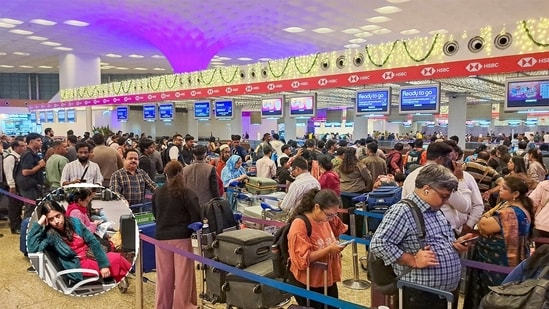
A wave of flight cancellations and delays has swept across India, with IndiGo—the country’s largest carrier by market share—at the epicenter of the turmoil. Over recent weeks, hundreds of flights have been abruptly cancelled, leaving thousands of passengers stranded at airports, facing uncertainty, frustration, and financial loss. This isn’t an isolated incident but a symptom of deeper, systemic issues brewing within the Indian aviation sector. Here’s a comprehensive breakdown of the crisis.
The Immediate Trigger: A “Fog Season” Like No Other?
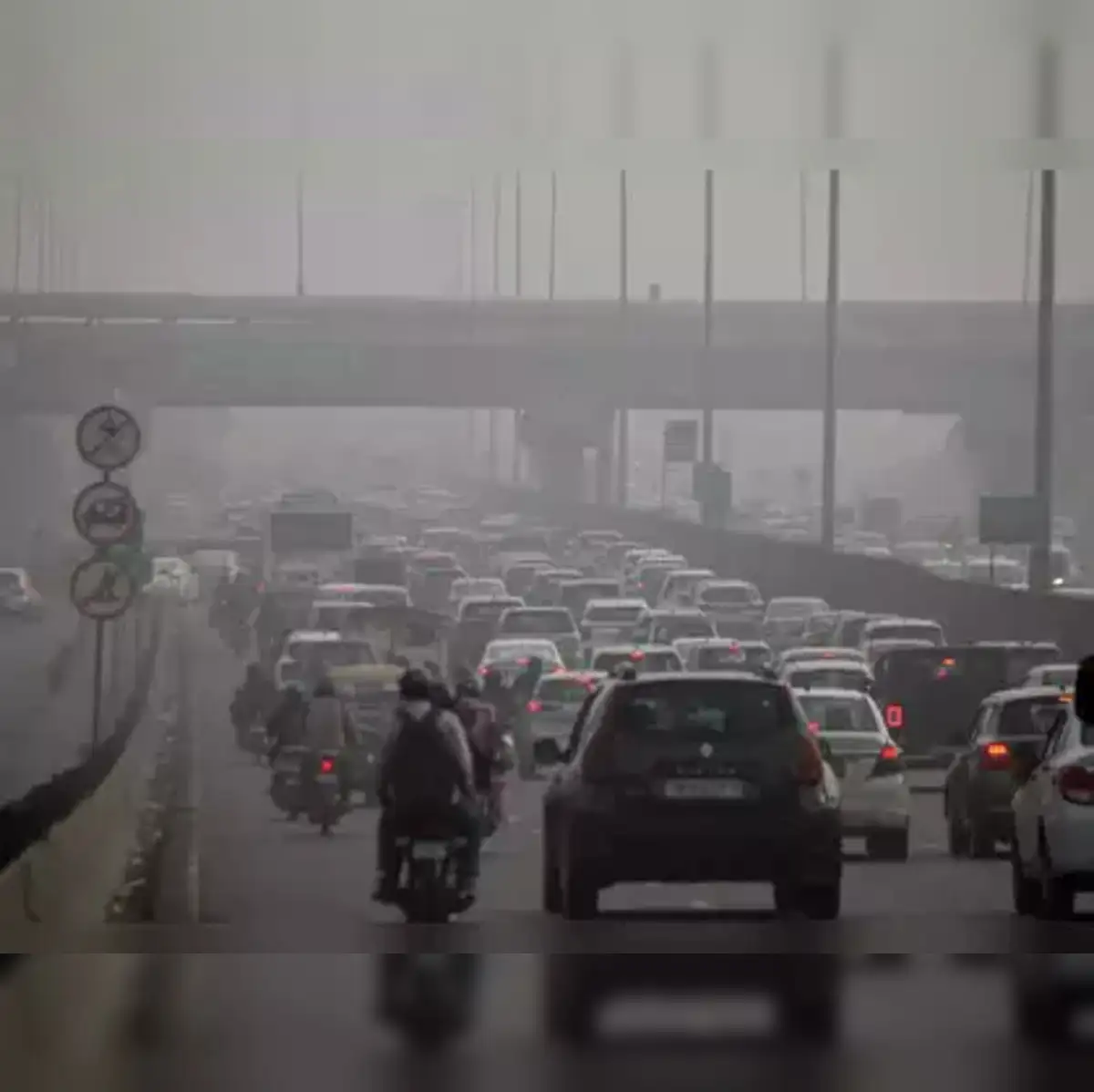
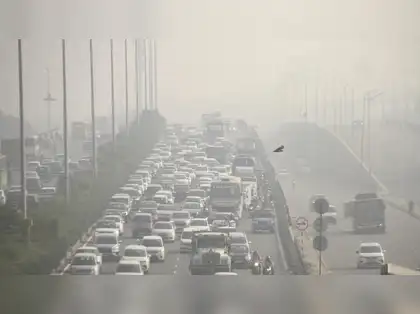
On the surface, the cancellations have been widely attributed to adverse weather conditions, particularly dense fog in North India during the winter months. Reduced visibility leads to airspace congestion, runway restrictions, and cascading delays. However, while fog is an annual challenge, this year’s disruption has been disproportionately severe. This points to a critical fact: the weather was merely the match; the tinder had been piling up for months.
The Core of the Crisis: A Severe Shortage of Operational Aircraft
The single most significant factor behind IndiGo’s operational meltdown is a massive reduction in its usable fleet.
1. The Pratt & Whitney Engine Crisis: Approximately 40-45 of IndiGo’s Airbus A320neo aircraft are grounded due to a global issue with Pratt & Whitney (PW) engines. In mid-2023, PW disclosed a manufacturing defect involving contaminated metal powder in their GTF engines, necessitating accelerated inspections and removals. This has forced airlines worldwide to ground planes for lengthy engine checks and replacements. For IndiGo, which operates over 200 PW-powered A320neos, the impact has been devastating, removing a significant chunk of capacity right before the peak holiday season.
2. Supply Chain & MRO Bottlenecks: The global aerospace supply chain has not fully recovered from the pandemic. Getting new engines, spare parts, and even skilled maintenance, repair, and overhaul (MRO) capacity is slow and expensive. Aircraft that are due for routine checks are often stuck in hangars for longer periods, exacerbating the shortage of available planes.
The Domino Effect: Why Cancellations Spread Like Wildfire
With a reduced fleet, IndiGo’s operational resilience is nearly zero.
· No Buffer for Disruptions: Airlines typically plan for minor disruptions with spare aircraft or schedule buffers. IndiGo, operating at over 90% capacity utilization with a shrunken fleet, has no such cushion. A single weather delay or technical snag in one aircraft creates a domino effect, disrupting 10-15 subsequent flights as crews and planes fall out of position.
· Crew Logistics Nightmare: Pilots and cabin crew are scheduled with precise timing to comply with strict Flight Duty Time Limitations (FDTL). A delay means a crew may “time out,” becoming legally ineligible to operate the next flight. With no spare crew available at outstations, flights are left with no option but cancellation.
· Network Complexity: IndiGo operates a massive, highly interconnected network. A cancellation in Delhi doesn’t just affect Delhi passengers; it means an aircraft isn’t available for its next flight in Hyderabad or Bengaluru, magnifying the problem geographically.
Broader Industry Strains: Not Just an IndiGo Problem
While IndiGo is the most visible, the crisis highlights vulnerabilities across the Indian aviation ecosystem:
· Air Traffic Control (ATC) Constraints: India’s airspace and airport infrastructure, despite improvements, are struggling to handle the sheer volume of traffic—which has surged past pre-pandemic levels. Congestion at major hubs leads to holding patterns, burning fuel and further delaying schedules.
· The Go First Collapse: The bankruptcy and cessation of operations of Go First in May 2023 removed a key competitor and 7-8% of domestic capacity overnight. This pushed more passengers onto remaining carriers like IndiGo and Air India, increasing load factors and system-wide pressure.
· Pilot Shortage Rumblings: While not the primary cause today, the industry faces a looming shortage of trained captains, making it harder to quickly scale up operations or replace fatigued crews.
Passenger Fallout and Regulatory Scrutiny
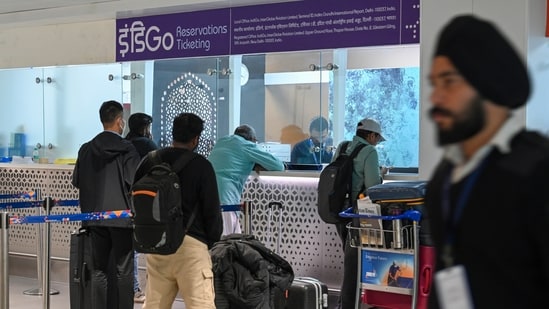
The human cost has been immense. Social media is flooded with stories of passengers—families, elderly travelers, businesspeople—sleeping on airport floors, missing crucial events, and incurring extra costs. The Directorate General of Civil Aviation (DGCA) has stepped in, issuing show-cause notices to airlines and mandating stricter compliance with passenger-centric regulations:
· Airlines must proactively inform passengers of cancellations at least two weeks in advance.
· They must provide real-time updates on delays.
· The mandated compensation and care rules (under DGCA CAR Section 3) must be followed: alternative flights/full refunds, meals, hotel accommodation for overnight delays, and compensation for last-minute cancellations (within 0-14 days of departure).
However, enforcement remains a challenge, and many passengers report difficulties in securing their rightful compensation.
The Path to Recovery: What’s Next?
There is no quick fix. IndiGo’s recovery hinges on the resolution of the engine crisis, which Pratt & Whitney estimates could stretch into 2024. In the interim, the airline is taking several measures:
· Wet-leasing aircraft (renting planes with crew and maintenance) to bridge the capacity gap.
· Extending lease periods of existing older aircraft (A320ceos) that were due for retirement.
· Aggressively streamlining its network, cutting frequencies on some routes and focusing on key metros to improve reliability.
· Enhancing customer communication through dedicated crisis teams and more transparent alerts.
Long-Term Lessons for Indian Aviation
This crisis is a stark reminder that India’s aviation growth story needs a more robust foundation.
1. Fleet & Engine Diversity: Over-reliance on a single aircraft model or engine type (as seen with IndiGo and PW) is a massive operational risk. Diversification is crucial.
2. Infrastructure Investment: Accelerating the expansion of airport runways, terminals, and modern ATC systems is non-negotiable to handle future growth.
3. MRO Hub Aspiration: Developing India as a major global MRO hub can reduce dependency on foreign facilities and turnaround times.
4. Proactive Regulation: The DGCA may need to mandate stricter minimum spare aircraft and crew norms for airlines of a certain scale to ensure systemic resilience.
The current wave of IndiGo cancellations is not merely “bad weather” or “poor planning.” It is the result of a perfect storm created by a global supply chain failure (PW engines), amplified by India’s own infrastructure strains and unprecedented passenger demand. It exposes the fragile balance upon which low-cost, high-utilization aviation models operate. For passengers, the immediate future requires patience and awareness of their rights. For the industry and regulators, it is a critical wake-up call to build an aviation system that is not just big, but also resilient, diverse, and passenger-centric. The skies may be crowded, but the path to smoother flying requires careful, urgent groundwork.
Discover more from AMERICA NEWS WORLD
Subscribe to get the latest posts sent to your email.
























Leave a Reply