
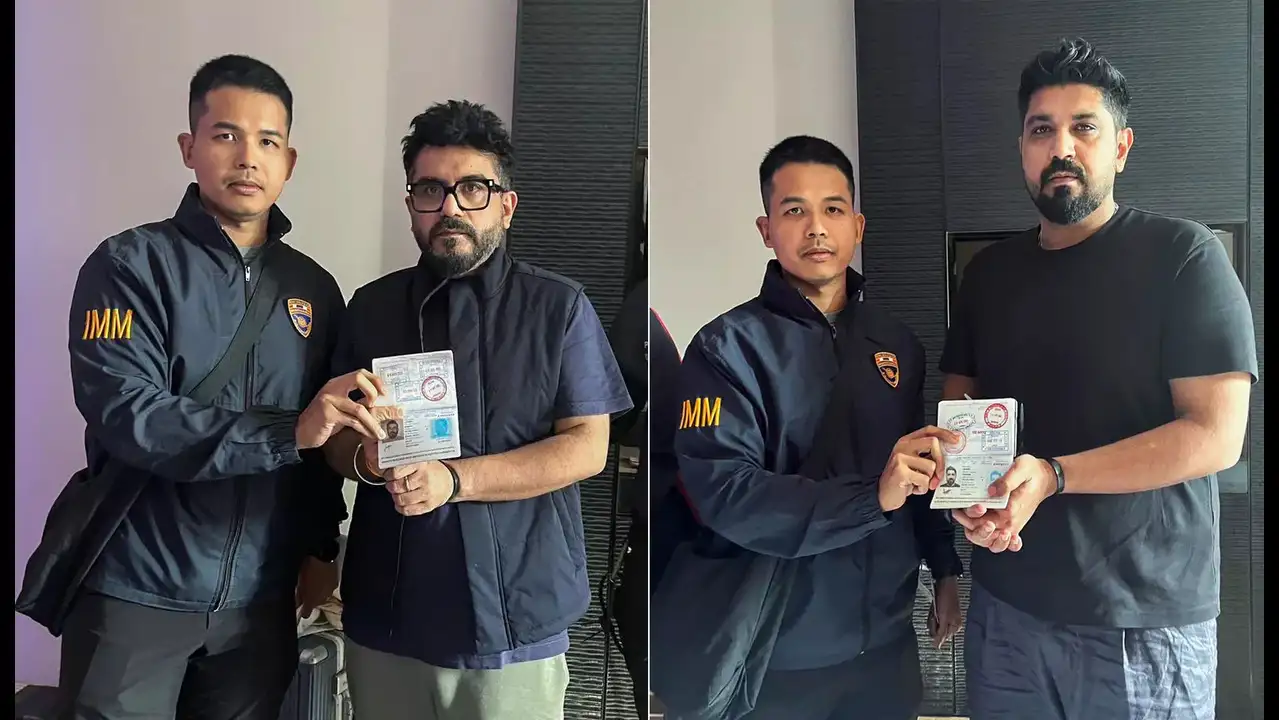
By_shalini oraon

The Long Arm of Justice: Awaiting the Return of the Luthra Brothers from Thailand
The names Gurpatwant Singh Pannun and Hardeep Singh Nijjar have become globally synonymous with allegations of transnational repression. But in recent months, another set of names has entered the international extradition lexicon: Amritpal Singh Luthra and Amandeep Singh Luthra, collectively known as the Luthra brothers. Wanted in India on severe charges including murder, attempted murder, and conspiracy under the Unlawful Activities (Prevention) Act (UAPA), their potential return from Thailand has become a focal point of India’s efforts to combat extremist elements operating from foreign soil. While officials have shared cautious updates, the question on many minds remains: When will the Luthra brothers finally be brought back to India?
The answer, rooted in the complex world of international law and diplomacy, is: The process is actively underway, but a definitive timeline remains elusive.
The Case and the Capture
The Luthra brothers are alleged to be key operatives of the banned separatist organization, the Khalistan Tiger Force (KTF). Indian authorities accuse them of orchestrating targeted killings, extortion, and funding terrorism in Punjab from their base abroad. Their alleged involvement in high-profile cases made them prime targets for Indian security agencies.
The breakthrough came in December 2023, when Thai authorities, acting on a Red Corner Notice (RCN) issued by Interpol at India’s request, apprehended the brothers in Bangkok. This was a significant victory for Indian agencies, showcasing the efficacy of improved international cooperation. Since then, they have been in Thai custody, while the Indian government initiated the formal extradition process.
The Official Update: A Procedural Marathon, Not a Sprint
Indian officials, from the National Investigation Agency (NIA) to the Ministry of External Affairs (MEA), have been measured in their public statements. The consistent update is that “the extradition process is progressing through the legal system in Thailand.” This seemingly simple phrase encapsulates a multi-layered, often protracted, legal battle.
1. The Formal Request & Judicial Scrutiny: Following the arrest, India submitted a detailed extradition request to the Thai government, complete with evidence and chargesheets. This request is now before a Thai court. The brothers, through their legal counsel, are certain to contest the request. Standard defenses in such cases include challenging the political nature of the charges (as extradition is typically barred for political offenses), questioning the fairness of the Indian judicial system, and raising potential human rights concerns. Each of these arguments will be heard, evidenced, and deliberated upon in Thai courts.
2. The “Death Penalty” Hurdle: A critical aspect of this case, and a frequent sticking point in extraditions from abolitionist countries, is the possibility of the death penalty. India’s charges, particularly murder and UAPA-related conspiracy, can carry capital punishment. Many countries, including those like Thailand that have the death penalty but use it rarely, are reluctant to extradite without assurances. It is highly probable that Indian authorities have provided, or will need to provide, a formal diplomatic assurance to the Thai government that the Luthra brothers will not face the death penalty if convicted. This is a standard but crucial step that can delay proceedings.
3. Diplomatic Channels: Parallel to the court proceedings, diplomatic channels between New Delhi and Bangkok are actively engaged. The Indian Embassy and the MEA are working to ensure the case remains a priority and that all procedural requirements from the Thai side are met promptly. The generally cordial and strategic relationship between India and Thailand acts in favor of a cooperative process.
The Timeline: Factors Governing the “When”
Predicting an exact date is impossible, but we can look at precedents and processes to gauge the possible horizon.
· The Thai Legal System: Extradition hearings can be lengthy. They involve presenting evidence that meets the standard of “prima facie” case in a Thai court—meaning the evidence must be sufficient to justify trial in Thailand for a similar offense. This requires meticulous legal work and translation of volumes of documents.
· Appeals: Even if the first court rules in favor of extradition, the defendants have the right to appeal. This can add months, if not years, to the process. The case could potentially go through multiple levels of the Thai judiciary.
· The Ministerial Decision: Ultimately, after the judicial process concludes, the final decision rests with the Executive branch of the Thai government (typically the Minister of Justice or the Cabinet). They must sign the extradition order. While courts’ recommendations carry heavy weight, this is another step where diplomatic engagement is key.
· Precedents: Looking at past India-Thailand extraditions, such as that of gangster Ravi Pujari, the process from arrest to physical handover can take anywhere from 18 months to over 3 years, depending on the legal complexities.
A plausible, yet still speculative, timeline suggests that if the process faces minimal legal obstacles and all assurances are in place, a court decision could come within 12-18 months of arrest (placing it potentially in late 2024 or early 2025). However, if appeals are fully exercised, the process could extend well into 2025 or 2026.
Why This Extradition Matters
The pursuit of the Luthra brothers is not just about two individuals.
1. Signal to Extradite Entities: It is a powerful signal that India will vigorously pursue individuals accused of terrorism and violence, regardless of their offshore havens. This strengthens the deterrent effect of its agencies.
2. Testing International Cooperation: This case tests and strengthens the extradition treaty and security partnership between India and Southeast Asian nations. A successful transfer would set a positive precedent for future cases.
3. Domestic Security: For Punjab and Indian security agencies, their return is crucial to uncovering networks, dismantling funding channels, and delivering justice in specific cases of violence.
Conclusion: Patience and Persistence
The update from officials is clear: the machinery of extradition is in motion. The wheels of international justice, however, turn slowly, meticulously, and with due regard for legal principles. The Luthra brothers will not be on a flight to India tomorrow or next month.
Their return hinges on the successful navigation of Thai courtrooms, the provision of robust legal and diplomatic assurances by India, and the ultimate decision of the Thai executive. While the “when” remains a question for 2024 and possibly beyond, the “if” looks increasingly probable, barring unforeseen legal complications. The message from Indian officials is one of quiet confidence and unwavering resolve—they are in this for the long haul, committed to seeing this process through to its logical conclusion: the brothers facing an Indian court of law.
Discover more from AMERICA NEWS WORLD
Subscribe to get the latest posts sent to your email.



















Leave a Reply