
By _shalini oraon

Sanchar Saathi, its functionalities, and the rationale behind the government’s push for its integration.
—
Sanchar Saathi: Demystifying India’s Digital Shield for Mobile Users
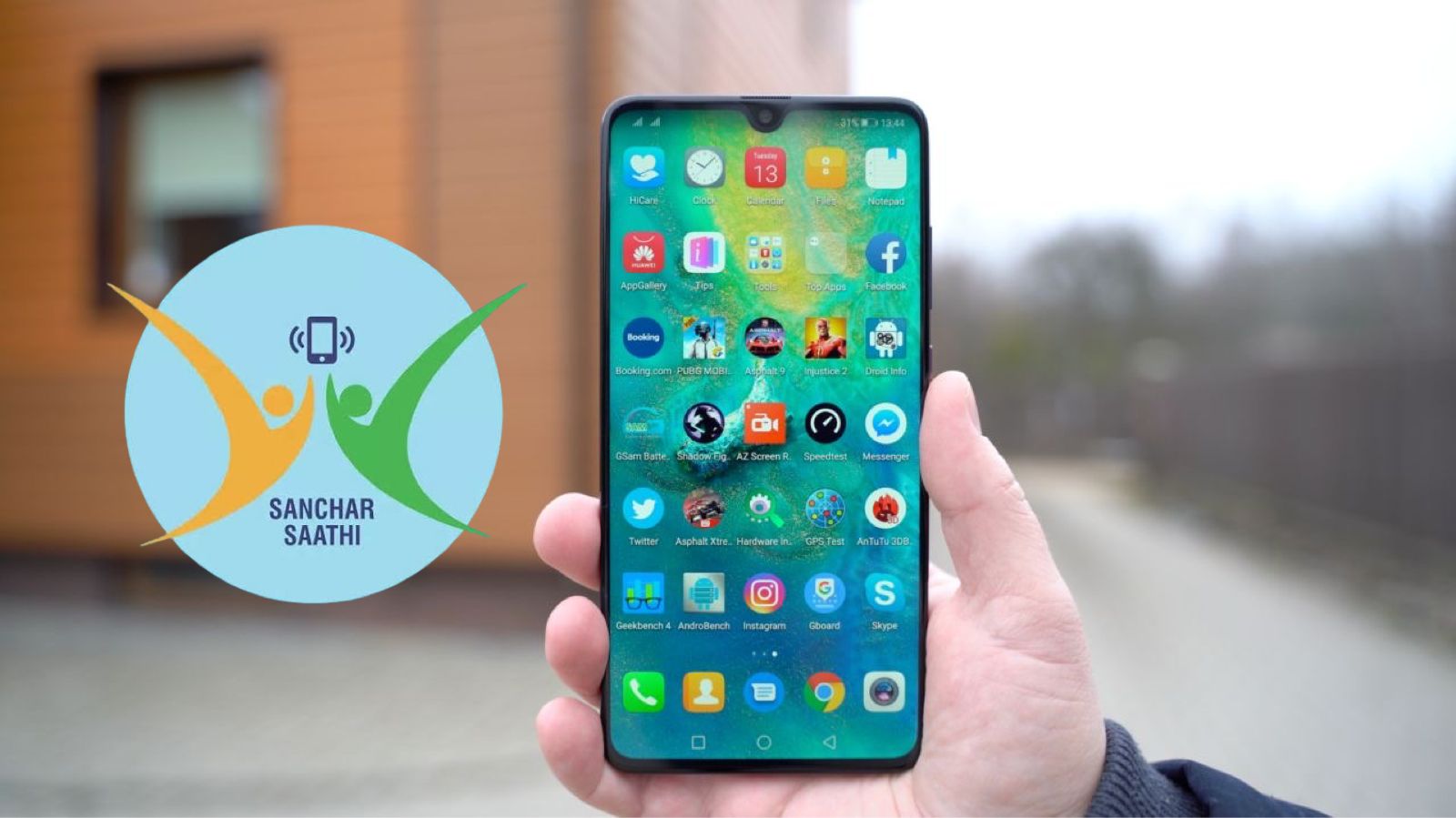
In an era where a smartphone is a digital extension of oneself, protecting it from fraud, theft, and identity misuse is paramount. Recognizing this, the Government of India, through the Department of Telecommunications (DoT), has launched the Sanchar Saathi portal—a comprehensive citizen-centric platform. While not a single app to be installed by users, its core security features are now being mandated for integration into all smartphones sold in India. This move marks a significant shift from voluntary awareness to embedded security, and understanding “why” reveals a critical effort to safeguard national digital infrastructure and individual citizens.
What Exactly is Sanchar Saathi?
Sanchar Saathi (which translates to “Communications Companion”) is an umbrella initiative designed to empower mobile subscribers and enhance cybersecurity. Accessible via the web portal sancharsaathi.gov.in, it hosts a suite of tools built around the Central Equipment Identity Register (CEIR), a central database of mobile device identities. Its most prominent features include:
1. CEIR: Blocking Stolen/Lost Phones: This is the flagship feature. If your phone is stolen or lost, you can immediately file a police report and use the CEIR module to block the device’s unique IMEI (International Mobile Equipment Identity) number across all Indian telecom networks. This renders the phone useless for making calls or accessing mobile data in India, drastically reducing its black-market value and deterring theft.
2. IMEI Verification: Allows you to check the genuineness of a device’s IMEI before purchasing a second-hand phone, ensuring it is not blacklisted as stolen.
3. Know Your Mobile Connections: Perhaps the most widely used feature, it lets subscribers check all mobile numbers (across all telecom operators) registered against their name and Aadhaar. This is a powerful tool to discover and report numbers fraudulently obtained in your name.
4. TAF COP Portal: For reporting unsolicited commercial communication (spam calls and SMS) and unregistered telemarketers.
5. ASTR (Artificial Intelligence and Facial Recognition powered Telecom SIM Subscriber Verification): This is the technological backbone. ASTR was used to analyze the entire subscriber base of over 1.4 billion connections, weeding out millions of fraudulent connections obtained with fake or forged documents.
The Government’s Mandate: From Portal to Embedded Security
The government’s recent directive, in collaboration with the Telecom Engineering Centre (TEC), mandates that the anti-theft and device tracking functionalities of Sanchar Saathi must be pre-installed and enabled by default on all new smartphones sold in India from July 1, 2024. This isn’t a standalone “Sanchar Saathi app,” but rather the integration of its core security protocols into the device’s operating system.
The key components of this mandate are:
· Pre-Installed, Non-Removable Software: The feature cannot be an optional download; it must come built-in and cannot be uninstalled by the user.
· Auto-Enablement on First Setup: The anti-theft protection must be automatically activated when a user sets up their new phone.
· Remote Theft Protection: Even without a third-party app, users will be able to remotely track, lock, or erase data from a lost device by linking their phone to the centralized CEIR system via their mobile number.
The “Why”: A Multi-Layered Rationale
The push for mandatory integration is not arbitrary. It is a calculated response to several pressing national and individual security challenges:
1. Curbing the Menace of Mobile Phone Theft:
Mobile theft is not just a street crime;it fuels a larger ecosystem. Stolen phones are often dismantled for parts or smuggled to other countries. By making every new phone traceable and blockable by default, the economic incentive for theft plummets. A thief will find it nearly impossible to resell or use a device that is permanently blacklisted on all networks the moment it is reported.
2. Dismantling Digital and Financial Fraud:
Stolen smartphones are a primary tool for cybercriminals.They provide access to banking apps, OTPs, and personal data, leading to devastating financial fraud. By allowing quick remote locking and data wiping, Sanchar Saathi’s integration cuts off this access immediately, protecting the user’s digital identity and finances.
3. Eliminating Fraudulent SIM Cards and National Security:
The pre-Sanchar Saathi era saw rampant proliferation of SIM cards obtained with fake IDs.These “bulk connections” were (and sometimes still are) used for everything from spam and scams to organized crime and terrorism. The Know Your Mobile Connections feature and the ASTR initiative have already disconnected over 5.2 million such fraudulent connections. Embedded device security adds another layer, making it harder to pair a fraudulent SIM with an untraceable phone.
4. Protecting Citizen Privacy and Identity:
A lost phone is a massive privacy breach.Mandatory tracking and remote locking empower users to protect their personal photos, messages, emails, and documents from falling into the wrong hands, effectively becoming the first responders to their own data breach.
5. Creating a National Database of Authentic Devices:
The CEIR database,when populated with IMEI information from every new phone sold, creates a powerful tool for law enforcement. It helps track the movement of devices used in crimes and provides forensic evidence, strengthening the overall security apparatus.
Addressing Concerns: Privacy and Practicality
The mandate has sparked legitimate discussions:
· Privacy Concerns: Critics ask if this constitutes overreach, giving the government potential access to device location data. The government clarifies that the tracking functionality is user-triggered only in case of theft. The system is designed to be accessed by the legitimate owner via secure authentication for protective actions.
· Implementation Challenges: Ensuring seamless integration across all OEMs (Original Equipment Manufacturers), from global giants to local brands, is a complex task. The success hinges on robust technical standards and compliance checks.
· Effectiveness Against Sophisticated Criminals: Tech-savvy thieves may still find ways to tamper with IMEI numbers (“IMEI cloning”). This necessitates continuous technological evolution from both the government and device manufacturers to stay ahead.
Conclusion: A Proactive Step Towards Digital Sovereignty
The mandate to embed Sanchar Saathi’s features is a bold, proactive policy move. It reflects a philosophy that in the digital age, security cannot be an afterthought or an optional feature—it must be a foundational, non-negotiable component of the device itself.
For the average Indian, this translates to peace of mind. It means a reduction in phone thefts, a powerful tool to combat identity theft, and a direct mechanism to act swiftly in case of loss. For the nation, it represents a stronger, more secure, and accountable digital ecosystem where illegal devices and fraudulent connections find it increasingly difficult to operate.
While vigilance regarding privacy and implementation is essential, Sanchar Saathi’s evolution from a citizen portal to an embedded shield marks a significant step in India’s journey towards empowering its citizens and securing its digital frontiers. It is not just about finding a lost phone; it is about fortifying the very device that holds the keys to our modern lives.
Discover more from AMERICA NEWS WORLD
Subscribe to get the latest posts sent to your email.




































Leave a Reply