
By_shalini oraon

—
The Symbiotic Synergy: How Indian Talent Became the Bedrock of American Technological Dominance
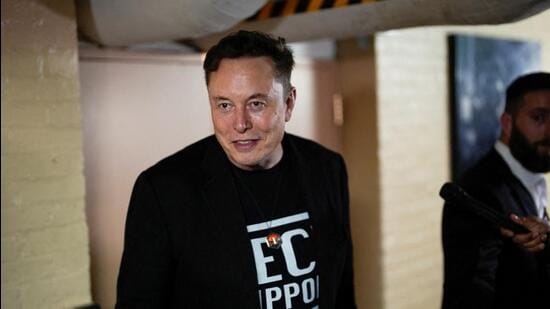
When Elon Musk, the archetype of American innovation and audacity, states that the United States has “immensely benefited” from Indian talent, it is not merely a passing compliment. It is a profound acknowledgment of a fundamental truth that has shaped the modern world. This statement, coming from a figure who has revolutionized multiple industries, underscores a deep, symbiotic relationship—one where American ambition provided the stage, and Indian intellect, drive, and ingenuity delivered a performance that propelled the global economy into a new century.
The narrative of Indian talent in the US is often reduced to the success stories of Sundar Pichai, Satya Nadella, and Indra Nooyi. While these CEOs are powerful symbols, they are merely the tip of a colossal iceberg. The real story lies in the foundational layers of the American tech ecosystem, where generations of Indian engineers, scientists, entrepreneurs, and visionaries have been instrumental in building, coding, and designing the very fabric of our digital existence.
The Brain Gain: A Historical Pipeline of Talent
The roots of this partnership trace back to the post-independence era in India, which placed a strong emphasis on elite technical education. Institutions like the Indian Institutes of Technology (IITs) became crucibles of excellence, producing a surplus of brilliant engineers in a country whose economy, at the time, could not fully absorb them. Concurrently, the United States, locked in the Cold War and the Space Race, was hungry for top-tier STEM talent to fuel its scientific and technological ascendancy.
The Immigration and Nationality Act of 1965 was the pivotal legislative key that unlocked this door. It removed national-origin quotas, creating a pathway for skilled professionals from Asia. This created the “brain drain” phenomenon—a one-way flow of India’s best and brightest to American shores. However, in hindsight, this was not merely a drain but a strategic transfer. These immigrants brought with them not just technical prowess, but a formidable work ethic, a knack for problem-solving, and an adaptability that thrived in the dynamic American environment.
The Engine of Innovation: From Code to Corporate Culture
The impact of this talent infusion is most visible in Silicon Valley, which runs, quite literally, on lines of code often written by engineers of Indian origin. From the microprocessors that power our devices to the algorithms that curate our digital lives, Indian minds have been central to every major technological leap.
· The Software Revolution: During the software boom of the 80s and 90s, Indian engineers were the backbone of companies like Microsoft, Intel, and IBM. They were not just employees; they were innovators who helped scale systems to a global level.
· The Internet Age: As the internet exploded, Indian talent was at the heart of founding and building iconic companies. Vinod Khosla co-founded Sun Microsystems. Sabeer Bhatia created Hotmail. Their contributions laid the groundwork for the interconnected world we live in today.
· The Modern Tech Titan: Today, the legacy continues. Google’s parent company, Alphabet, is helmed by Sundar Pichai. Microsoft, a defining force of the personal computing era, is led by Satya Nadella, whose transformative leadership has revitalized the company. Beyond the C-suite, tens of thousands of Indian-origin professionals lead critical divisions in artificial intelligence, cloud computing, and machine learning at every major tech firm, from Meta and Apple to Tesla and, of course, Musk’s own SpaceX and Neuralink.
The influence extends beyond pure technology into the very culture of American business. Leaders like Nadella are celebrated for instilling a “growth mindset,” empathy, and collaborative leadership—values that are reshaping corporate America. The Indian capacity for “jugaad”—a unique form of innovative frugality—has influenced product development and problem-solving methodologies, teaching American companies to do more with less.
The Entrepreneurial Wave: Job Creators, Not Just Job Takers
Perhaps the most significant evolution in this narrative is the shift from skilled immigrant to prolific job creator. Indian talent is no longer just filling roles in American companies; it is building them. According to research, immigrant-founded companies in the US, with Indians leading the pack, have created trillions of dollars in value and millions of jobs.
The list is staggering: Venture capitalist Vinod Khosla of Khosla Ventures funds the next generation of disruptors. Tech entrepreneur Jyoti Bansal sold his company, AppDynamics, to Cisco for $3.7 billion. These entrepreneurs embody the American dream, but in doing so, they reinforce the American economy. They create ecosystems, invest in local communities, and ensure that the US remains the global epicenter of venture capital and startup innovation. This directly aligns with Musk’s own journey as an immigrant entrepreneur from South Africa—he is a product of the same system that he now praises.
The Muskian Endorsement and the Future Symbiosis
Elon Musk’s statement carries weight because his companies are living proof of it. SpaceX employs a significant number of Indian-origin engineers working on rocket science and astrophysics. Tesla’s advancements in battery technology and autonomous driving rely on AI and software talent pools where Indians are disproportionately represented. For Musk, a pragmatist focused on solving humanity’s biggest challenges, talent is the ultimate currency. His acknowledgment is a recognition that without this global, and particularly Indian, talent pool, the pace of his ambitious ventures would be drastically slower.
However, this relationship is now at a critical juncture. The rise of a vibrant startup ecosystem in India itself, coupled with immigration policy uncertainties in the US, has created a “brain circulation.” Talented Indians now have compelling options to build globally significant companies from their home soil.
For the United States to continue benefiting immensely, as Musk noted, it must actively nurture this symbiotic relationship. This means:
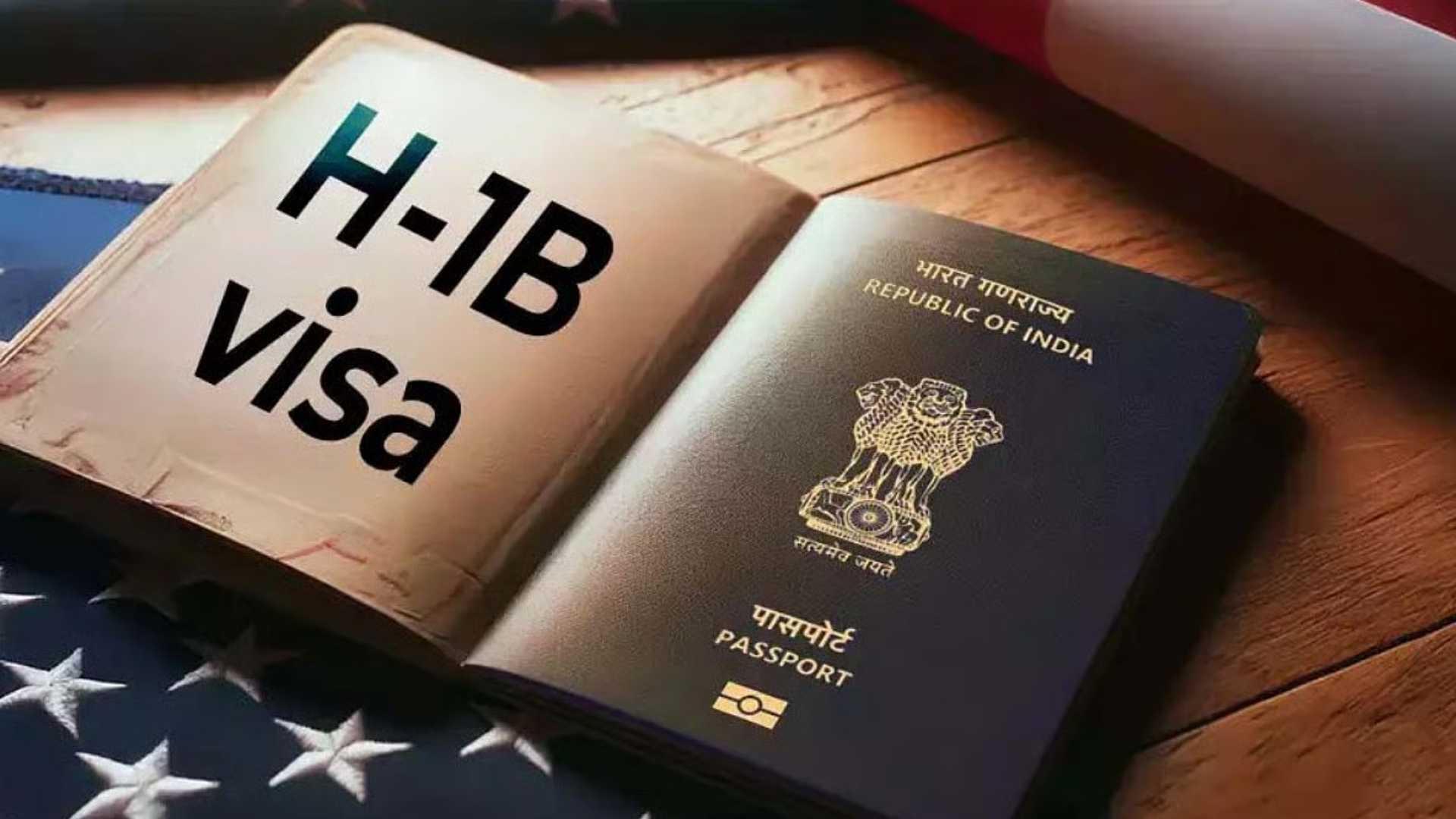
1. Streamlining Immigration: Reforming the H-1B visa system and providing a clear path to permanent residency for high-skilled graduates is crucial. The current lottery system is a capricious barrier that risks turning away the very talent the country needs.
2. Fostering Inclusive Ecosystems: Ensuring that the American dream remains accessible and that immigrant professionals and entrepreneurs feel welcomed and valued is essential for long-term retention.
3. Collaborating, Not Just Competing: The future may lie in deeper US-India collaboration on specific global challenges—from climate tech to public health—leveraging American capital and Indian technical prowess in a structured partnership.
In conclusion, the US didn’t just benefit from Indian talent; it co-evolved with it. The skylines of Silicon Valley, the code of the internet, and the leadership of its most powerful corporations all bear an indelible Indian imprint. Elon Musk’s comment is a timely tribute to this decades-long partnership. It is a reminder that America’s greatest strength has always been its ability to attract the world’s most ambitious and brilliant minds. To secure its future, it must ensure that the door remains open, allowing this symbiotic synergy to continue driving human progress for decades to come.
Discover more from AMERICA NEWS WORLD
Subscribe to get the latest posts sent to your email.

































Leave a Reply