
Introduction
In a significant legal decision, a US federal court has blocked the Trump administration’s effort to dismiss Palestinian rights advocate Mahmoud Khalil’s legal challenge against his detention and deportation. This ruling highlights the ongoing debate over immigration policies, free speech rights, and political activism in the United States.
The Case of Mahmoud Khalil
Mahmoud Khalil, a Columbia University graduate student and legal permanent resident, was detained on March 8 due to his involvement in pro-Palestinian campus protests last year. The US government has accused him of “activities aligned to Hamas,” though he has not been charged with any crime. His detention has sparked nationwide protests and raised concerns about political suppression.
Court Ruling and Legal Implications
Judge Jesse Furman ruled that Khalil’s habeas corpus petition must proceed, stating that his case presents serious constitutional questions regarding free speech and due process. While the Trump administration sought to dismiss the case, the judge emphasized that the fundamental rights of all individuals in the US must be upheld.
However, Furman transferred the case to New Jersey, where Khalil was originally detained, instead of Louisiana, where the government wanted it reviewed. He also maintained a previous order barring Khalil’s deportation while the case is under review.
Political and Social Reactions
Khalil’s detention has ignited strong reactions from advocacy groups, politicians, and student organizations. Supporters argue that his arrest is an attack on free speech and political activism, while the government insists it is a matter of national security. His wife, who is eight months pregnant and a US citizen, has also publicly condemned his detention.
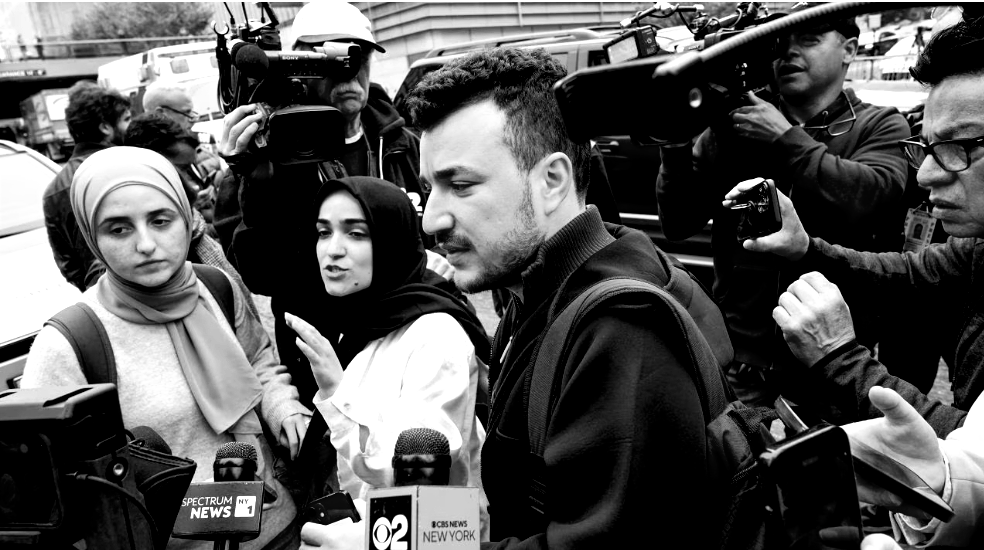
Protests have erupted across the country, particularly in New York, where demonstrators have rallied in front of Columbia University and federal buildings demanding his release.
Khalil on news for protest
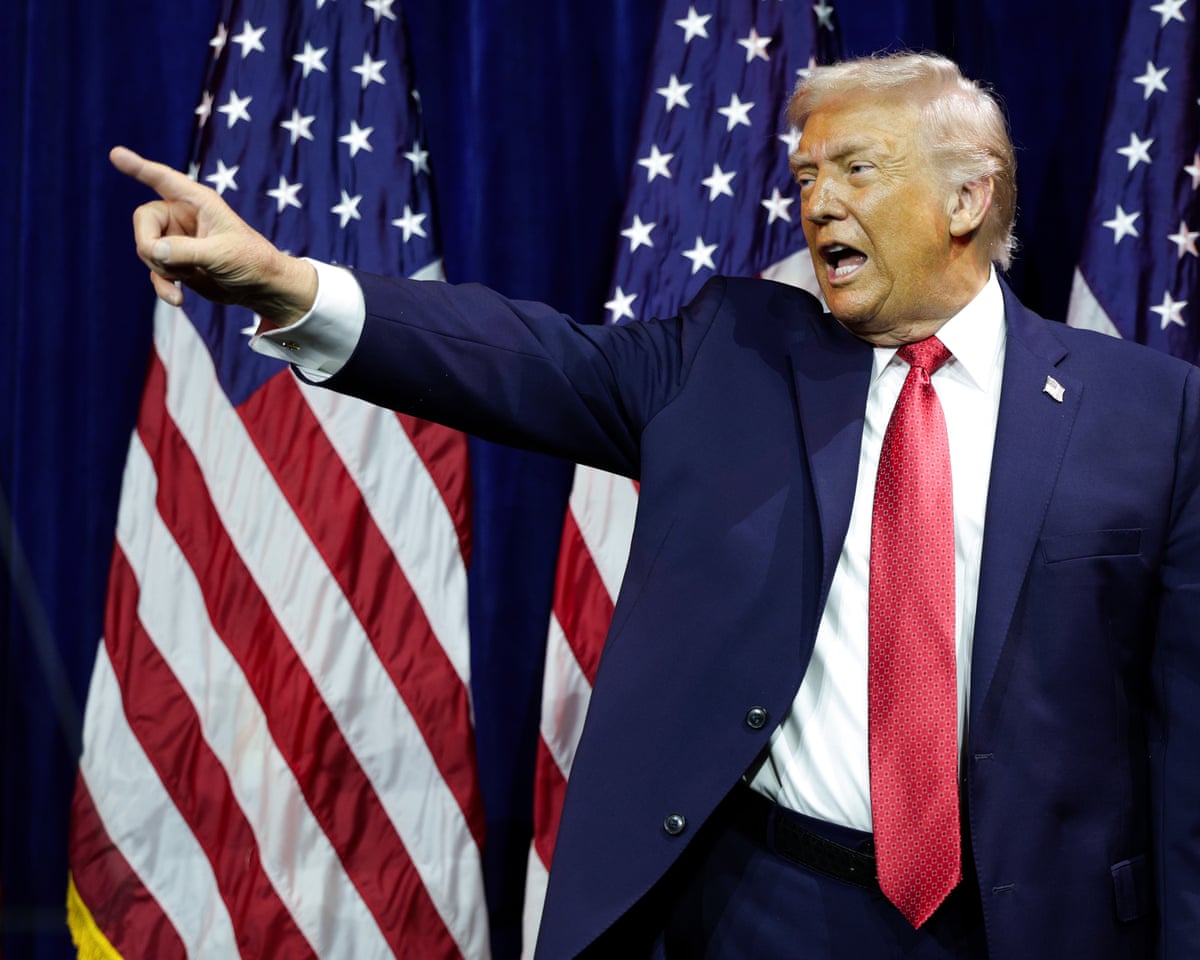
Trump’s Immigration Crackdown
The Trump administration has been aggressively targeting immigration policies, including deporting non-citizens deemed to pose “adverse foreign policy consequences.” Khalil’s case is seen as part of a broader effort to suppress political dissent under the guise of immigration enforcement.
This incident has also intensified debates over the US government’s stance on Palestinian rights and free speech, particularly within academic institutions.
What’s Next?
The New Jersey court will now oversee Khalil’s legal challenge, with no exact date set for hearings. His supporters remain hopeful that the court will rule in his favor and grant his release.
Conclusion
Mahmoud Khalil’s case is a critical test of constitutional rights in the US, particularly regarding free speech and due process. As the legal battle continues, it will likely set a precedent for future cases involving political activism and immigration enforcement.
Stay updated for more developments on this case and its implications for free speech and immigration policies in the US.
Discover more from AMERICA NEWS WORLD
Subscribe to get the latest posts sent to your email.


























Leave a Reply