
By Manisha Sahu | America News World
December 04,2025
President Donald Trump’s self-declared Thanksgiving deadline for securing a peace deal between Russia and Ukraine has quietly slipped by, leaving Washington with difficult choices and no breakthrough in sight. Despite repeated assurances that a resolution was within reach, the latest round of diplomacy has exposed just how far apart Moscow and Kyiv remain — and how challenging it will be for the United States to deliver an agreement the president once claimed he could achieve “in 24 hours.”

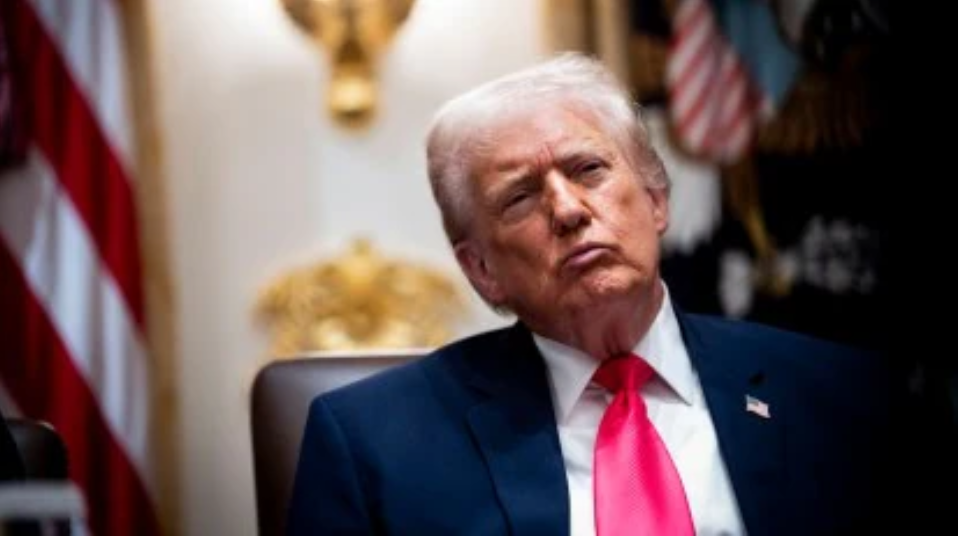
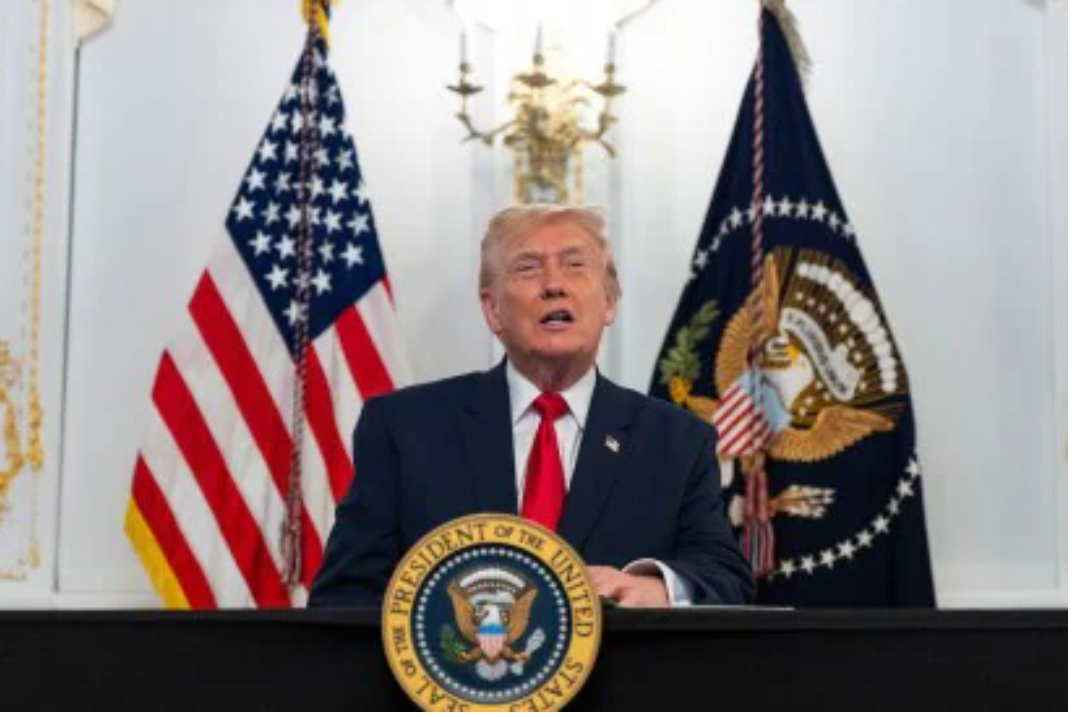
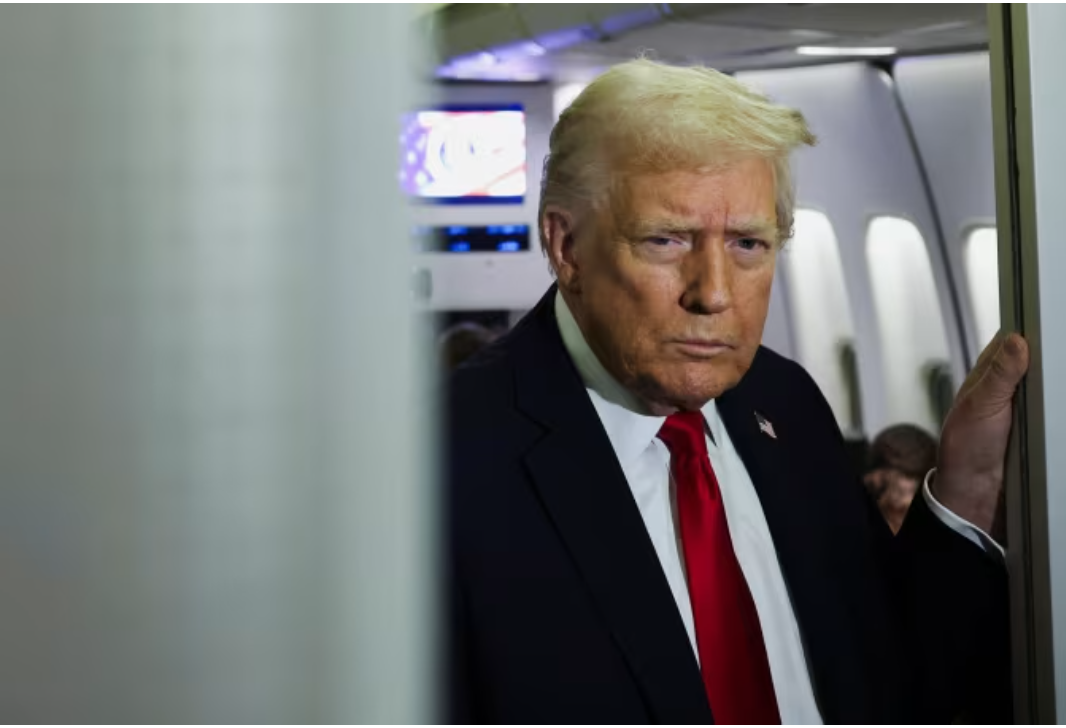
President Donald Trump speaks during a cabinet meeting held in the White House’s Cabinet Room in Washington.(New York Times)
Still, negotiations are not stalled. A Ukrainian delegation is expected to meet Trump’s team in Miami on Thursday, keeping the door open for further discussions even as Russian President Vladimir Putin signals no willingness to compromise on core demands.
A Deadline Missed — and Few Signs of Movement
Two weeks ago, Trump urged Ukraine to accept elements of a peace proposal that critics argued tilted in Russia’s favor. But with no progress made, the moment has passed without any sign that Moscow is prepared to soften its position. U.S. negotiators Steve Witkoff and Jared Kushner spent five hours with Putin in Moscow on Tuesday, only to return without any public indication of flexibility from the Kremlin.
Speaking to reporters on Wednesday, Trump appeared to acknowledge the tough reality.
“It does take two to tango,” he said, adding that he was still unclear about Russia’s intentions.
“I can tell you that they had a reasonably good meeting with President Putin,” Trump said of his envoys. “We’re going to find out.”
It was a notably more cautious tone than the confident predictions he made in August after meeting Putin in Anchorage, Alaska, when he suggested that Ukrainian President Volodymyr Zelenskyy and Putin would soon sit together to finalize a deal under his guidance.
U.S. Caught Between Pressure and Patience
With talks dragging and Putin refusing to budge, Trump now faces a familiar strategic dilemma: push Ukraine toward deeper concessions, walk away from the negotiations entirely, or restore large-scale U.S. military assistance to Kyiv after previously insisting that Europe should bear most of the financial burden.
Each option carries political and strategic risks. Forcing Ukraine to compromise on territory could fracture U.S.-European unity and endanger Ukrainian sovereignty. Walking away would undercut Trump’s promise to end the war quickly. Restoring broad military support would contradict his earlier stance and likely inflame domestic political debates over foreign aid.
Despite these contradictions, the administration has accelerated its diplomatic push. U.S. officials privately argue that more negotiation has occurred in the past several weeks than in the previous three years, as both sides exchange detailed proposals on key issues.
Ukraine Stays at the Table — Despite Skepticism
Ukrainian officials, recognizing the strategic importance of U.S. engagement, have continued participating in talks even as many in Kyiv believe Putin has no real intention of ending the war through diplomacy. Foreign Minister Andrii Sybiha confirmed that the U.S. invited Ukrainian representatives to hold additional talks “in the near future,” which led to the planned Thursday meeting.
Zelenskyy, speaking in his nightly address, emphasized that Ukraine would not be the obstacle to peace.
“Activity is at its maximum to bring this war to an end,” he said.
“From our side, there will be no delays.”
Still, Ukrainian officials remain wary. The leaked 28-point U.S. peace plan that circulated last month — criticized by European allies as overly favorable to Moscow — intensified concerns about whether Washington might pressure Kyiv into unwanted concessions. The revised plan, stripped of the most controversial provisions, was met with predictable resistance from Putin.
Putin Holds Firm on Territorial Demands
For Moscow, the red lines have remained unchanged: Russia wants Ukraine to cede territory still under Kyiv’s control and seeks formal U.S. recognition of lands Russia has already taken. Yuri Ushakov, Putin’s foreign policy adviser, restated the Kremlin’s position after meeting with U.S. negotiators.
“No compromise option has yet been found,” he said.
“The work will continue.”
Ushakov acknowledged that Russia had agreed to certain sections of the U.S. proposal but “made no secret of our critical and even negative attitude” toward other areas — especially those seen as safeguarding Ukraine’s long-term security.
Secretary of State Marco Rubio echoed the assessment on Fox News, warning that Putin’s goals remain expansive.
“Putin said a couple of weeks ago it may take long, it may cost more, but they will achieve their objectives,” Rubio said.
“Their mentality hasn’t changed.”
A Different Kind of Negotiation
The talks differ sharply from Kushner’s previous diplomacy, including his role in the Abraham Accords or the Gaza ceasefire earlier this year. According to officials familiar with the discussions, the Russia-Ukraine negotiations now revolve around four parallel tracks:
1. Ukrainian sovereignty and military constraints
2. Territorial status and disputed regions
3. Economic cooperation and reconstruction logistics
4. Broader European security arrangements
Zelenskyy has stressed that any final deal must include durable security guarantees from Western countries to protect Ukraine from future aggression. Ukrainian officials briefed European partners in Brussels on Wednesday, highlighting the need for Europe to play a strong role in shaping post-war security.
“The most important thing is Europe’s effective involvement in our defense,” Zelenskyy said.
Skepticism Grows — Even as Talks Continue
Despite ongoing discussions, doubt remains widespread. European governments have quietly expressed concern that U.S. negotiators might pursue a deal that leaves Ukraine strategically vulnerable. In Washington, analysts warn that Putin feels confident in the war’s current trajectory, believing that time favors Russia.
Jennifer Kavanagh, a military analyst at Defense Priorities, summarized the stakes bluntly.
“Any deal that ends the war is going to be painful and unfair,” she said.
“But right now, it seems like we’re far from terms that meet Russia’s minimum demands and are still acceptable enough for Ukraine to even consider.”
With negotiations set to continue in Miami, the future of the talks — and the war — remains deeply uncertain. Trump is left navigating a diplomatic tightrope, trying to balance geopolitical realities with his promise to end the conflict swiftly. The coming weeks may determine whether this renewed push yields meaningful progress or simply becomes another missed opportunity in a war now approaching its fourth year.
Discover more from AMERICA NEWS WORLD
Subscribe to get the latest posts sent to your email.




















Leave a Reply