
By_shalini oraon

—
An Unlikely Convergence: Trump and Mamdani Find Common Ground in Oval Office Meeting
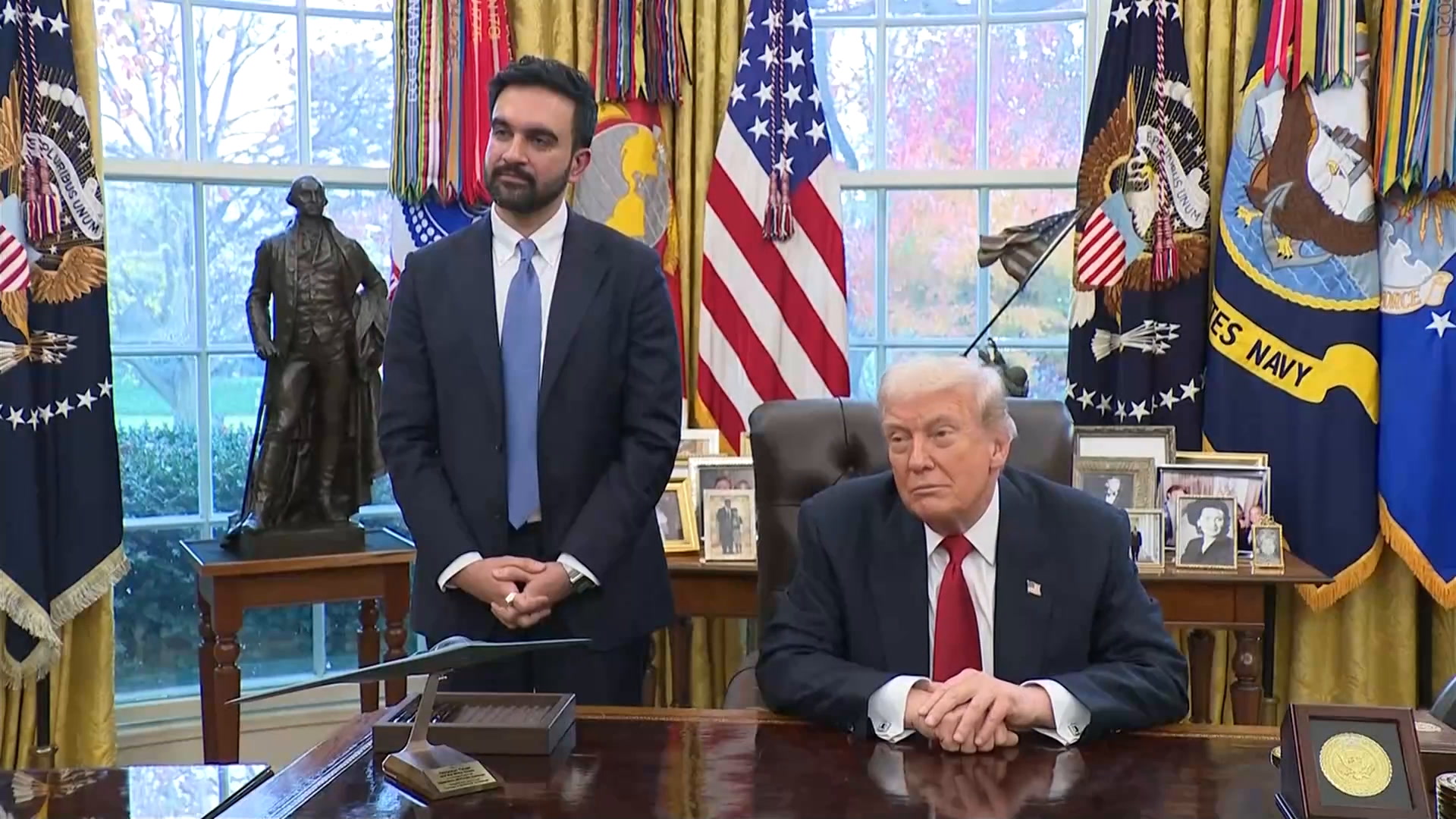
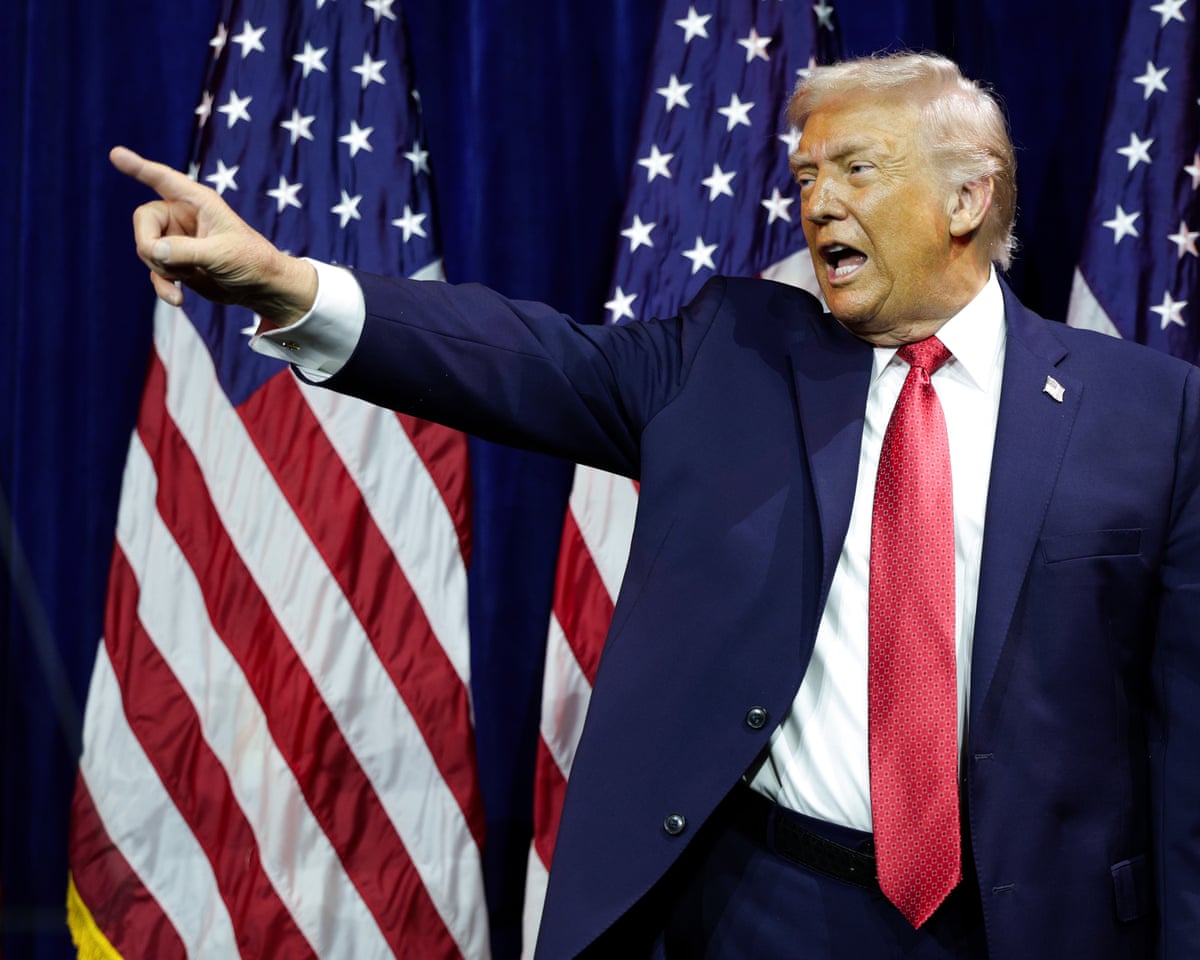
In the annals of modern political theater, few events would seem as improbable as the meeting that took place in the Oval Office this week. The principal actors in this scene were a study in stark contrasts: former President Donald J. Trump, the populist firebrand and master of political spectacle, and Professor Mahmood Mamdani, the revered Ugandan-born academic, a Marxist political anthropologist and one of the global South’s most incisive critics of Western imperialism. The anticipated clash of ideologies, however, did not materialize. Instead, according to sources present, the two figures discovered a surprising and robust patch of common ground, leading Trump to remark, “We agree more than anyone would have thought.”
The very premise of this meeting baffled political commentators. Mamdani, the author of seminal works like Good Muslim, Bad Muslim and Neither Settler Nor Native, has built his career on deconstructing the colonial and neo-colonial power structures that, in his view, continue to shape global inequality. Trump, a figure often accused of embodying a new form of nationalist isolationism with imperial tendencies, seemed his natural antagonist. Yet, it was precisely their positions as outsiders to the Washington establishment—albeit from diametrically opposed poles—that forged an unexpected dialogue.
The Foundation: A Shared Critique of the “Forever Wars”
The core of their agreement, it appears, stemmed from a mutual, profound disdain for America’s protracted military interventions in the Middle East and beyond. While their reasoning originated from different philosophical universes, their conclusions converged with remarkable symmetry.
For Trump, the opposition to the “forever wars” in Iraq and Afghanistan has been a central, consistent pillar of his political brand, both as president and in his current campaign. His critique is rooted in a nationalist, economic, and pragmatic worldview: these wars were “a waste of blood and treasure,” draining trillions of dollars that could have been spent on domestic projects, costing American lives, and yielding no tangible benefit for the United States. He has long portrayed them as the catastrophic folly of a bloated and misguided foreign policy establishment, including figures from both Republican and Democratic administrations.
Professor Mamdani, from his postcolonial and Marxist perspective, has arrived at a similarly damning conclusion, albeit through a different analytical path. In his work, he argues that the “War on Terror” is not a new phenomenon but a continuation of earlier colonial projects, creating a global political structure where the West arrogates to itself the right to designate “terrorists” and intervene militarily, often with devastating humanitarian consequences. He sees these wars as the primary engine of destabilization in Africa and the Middle East, creating failed states and refugee crises while serving the interests of a militarized global capitalist order.
In the Oval Office, these two parallel critiques found a common voice. A source familiar with the discussion noted that Mamdani framed the “War on Terror” as a modern form of imperialism, to which Trump reportedly responded by pointing to his own efforts to withdraw troops and his public statements calling the Iraq invasion a “war for thieves.” They agreed that the regime-change doctrine had been a disastrous failure. For Mamdani, it was a failure of morality and international law; for Trump, a failure of strategy and cost-benefit analysis. Their shared target—the bipartisan foreign policy consensus in Washington—created a bridge between their disparate ideologies.
Sovereignty and the Rejection of Liberal Interventionism
A second, crucial area of alignment was the principle of national sovereignty. Trump’s “America First” doctrine is, at its heart, a vehement assertion of national sovereignty against what he perceives as the encroachments of globalist institutions, from the World Trade Organization to NATO. His tenure was marked by withdrawals from international agreements and a consistent rhetoric of putting America’s interests first, unfettered by multilateral obligations.
Mamdani, in his scholarship, has been a fierce defender of the sovereignty of post-colonial states. He is deeply skeptical of the “Responsibility to Protect” (R2P) doctrine and other frameworks of liberal interventionism, which he argues are often used as a pretext for powerful Western nations to violate the sovereignty of weaker states in the Global South. He advocates for political solutions that are endogenous, emerging from within a society’s own historical and cultural context, rather than being imposed from the outside by self-appointed global policemen.
This created another powerful point of agreement. Both men, for their own reasons, reject the idea that the United States or its allies have a right to dictate the internal political arrangements of other nations. Trump sees it as a costly distraction; Mamdani sees it as a neo-colonial impulse. When the conversation turned to specific nations like Syria or Libya, they found themselves in lockstep opposition to the interventionist policies advocated by figures like Hillary Clinton or the late John McCain.
The Limits of Convergence and the Lingering Tensions
To be clear, the meeting was not without its profound tensions and clear limits. The areas of disagreement are cavernous and fundamental. Mamdani’s entire body of work is a critique of the very global capitalist system that Trump embodies and champions. Trump’s restrictive immigration policies and his “Muslim ban” stand in direct opposition to Mamdani’s analysis of how the West constructs and manages racial and religious categories to justify exclusion and violence.
Furthermore, their critiques of the international order have entirely different end goals. Mamdani’s is aimed at dismantling a hegemonic system to achieve a more equitable, post-capitalist global order. Trump’s is aimed at refortifying American power within that existing system, ensuring the U.S. gets a “better deal” and ceases to be, in his view, the “world’s sucker.”
The symbolism of the meeting, however, is undeniable. For Trump, it represents an opportunity to showcase an ability to reach beyond his traditional base and engage with a critical intellectual, potentially blunting accusations of intellectual insularity. For Mamdani’s adherents, it demonstrates that a radical critique from the left can find a hearing in the most unlikely places and can, in specific instances, align with populist sentiments on the right against a common enemy: the establishment.
The image of the populist billionaire and the Marxist professor finding common cause is a disorienting one for the standard left-right political spectrum. It reveals that the old political maps are failing, and new, unexpected alliances are possible. Their agreement, as Trump noted, was indeed more than anyone would have thought. It serves as a potent reminder that politics can make for strange bedfellows, and that the most powerful critiques of a system can sometimes emerge from its periphery, from voices as different as Donald Trump and Mahmood Mamdani, momentarily united in their opposition to the center.
Discover more from AMERICA NEWS WORLD
Subscribe to get the latest posts sent to your email.






























Leave a Reply