
By_shalini oraon

the Epstein case and the figures mentioned within them, including Donald Trump.
—
Trump-Epstein Links: Unpacking the Lake Michigan Reference in the Latest DOJ Document Release
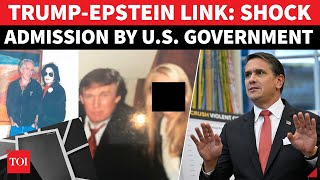
The recent court-ordered release of hundreds of pages from a long-settled defamation lawsuit has reignited public scrutiny into the social and professional network of the late convicted sex offender Jeffrey Epstein. Among the many names that appear—often tangentially—in the documents, one continues to command outsized attention: former President Donald Trump. A single, brief mention in the files of a potential flight on Epstein’s plane to his property in Lake Michigan, “The Island,” has sparked a new wave of headlines and speculation. However, a closer examination of the documents and their legal context reveals a story less about shocking, proven allegations and more about the complex, often murky nature of truth in civil litigation and the enduring power of association.
The Documents: Context is King
First, it is crucial to understand what these documents are and, just as importantly, what they are not. They are not new FBI evidence or charges from the Department of Justice. They are filings and depositions from the 2015-2016 Giuffre v. Maxwell civil defamation case, brought by victim Virginia Giuffre against Epstein’s accomplice, Ghislaine Maxwell. Their release was part of a standard legal process, not a new criminal investigation.
The files consist of:
· Deposition transcripts: Sworn testimony where witnesses answer questions from lawyers. These contain their memories, claims, and, at times, hearsay.
· Emails and correspondence: Often presented as exhibits.
· Legal arguments and motions: Where attorneys for both sides make their case, which can include unproven assertions to support their claims.
The content is therefore a mixture of direct testimony, second-hand accounts, and legal strategy—not a verified list of facts or judicial findings of guilt against anyone other than Epstein and Maxwell.
The “Lake Michigan” Reference: A Closer Look
The specific mention generating headlines comes from the 2016 deposition of Johanna Sjoberg, a woman who says she was recruited by Epstein and Maxwell. In her testimony, Sjoberg was asked about the powerful people Epstein name-dropped or she encountered. She mentions several names, including Trump. The critical exchange, as documented, is as follows:
Sjoberg states that on one occasion in 2001, when bad weather forced Epstein’s plane to land in Atlantic City instead of New York, Epstein suggested, “Great, we’ll call up Trump and we’ll go to… the casino.”
Later in the deposition, she is asked if she ever gave Trump a massage. She says no. Then, she is asked if Epstein ever talked about Trump traveling to his properties. Sjoberg recounts a separate, vague comment: “I remember him saying one time that Clinton likes them young, referring to girls… There was another time he said that Trump before he was president went to The Island, but I don’t know anything about that.” She clarified she had “no idea” if that was true and that she herself had never been to an Epstein property referred to as “The Island.”
This “The Island” reference is widely interpreted by reporters to mean Epstein’s estate on Little St. James in the U.S. Virgin Islands. There is no known Epstein property on Lake Michigan. This appears to be either a misunderstanding by the witness, an error in transcription, or a mischaracterization of a location by Epstein himself.
What the Documents Show About the Trump-Epstein Relationship
The unsealed files do corroborate the long-established public record: that Trump and Epstein moved in similar New York and Palm Beach social circles in the 1990s and early 2000s. They were photographed together at parties, and Trump once famously told New York Magazine in 2002, “I’ve known Jeff for fifteen years. Terrific guy… It is even said that he likes beautiful women as much as I do, and many of them are on the younger side.”
However, the documents also show the relationship soured. In the same Sjoberg deposition, she mentions hearing that Epstein and Trump had a “falling out” sometime in the early-to-mid 2000s, a fact corroborated by other reporting that it was over a real estate dispute. Notably, when Epstein was arrested in Florida in 2006, Trump was the only high-profile associate quoted publicly distancing himself, telling reporters, “I was not a fan of his.”
There are no allegations in these documents from Virginia Giuffre against Donald Trump. Giuffre’s claims, which are serious and have been settled in civil court, have involved other prominent figures, but Trump is not among them. The Sjoberg testimony does not allege any wrongdoing by Trump; it simply recounts a brief, second-hand comment from Epstein, which she herself discounted.
Why the “Shocking Details” Narrative Persists
The gap between the actual content of the documents and the feverish headlines they generate is instructive. It stems from several factors:
1. The Gravity of Epstein’s Crimes: The sheer horror of Epstein’s sex trafficking operation rightly makes any connection to him a subject of intense public interest and scrutiny.
2. The Power of Inference: A mention in these documents, regardless of context, is often interpreted by the public as an implication of guilt by association, despite the legal and factual nuance.
3. The Political Climate: With Trump as the presumptive 2024 Republican nominee, any link to a scandal of this magnitude is weaponized in the political arena, with partisans on both sides drawing conclusions that suit their narratives.
Conclusion: Separating Allegation from Evidence
The latest document release confirms that Jeffrey Epstein habitually name-dropped powerful people, including Donald Trump, likely to impress and intimidate his victims. It shows that Trump was a part of Epstein’s social orbit before their reported falling out. It includes an uncorroborated, second-hand anecdote from Epstein about Trump visiting “The Island,” which appears geographically confused and is presented without any supporting evidence by the witness herself.
What it does not do is provide evidence of criminal activity by Trump. It does not contain firsthand allegations of misconduct against him from any accuser. In the relentless and necessary pursuit of justice for Epstein’s victims, it is imperative to focus on substantiated claims and adjudicated facts. The true “shocking detail” that emerges, yet again, is the stark portrait of how Epstein operated with impunity for years within elite circles, using the aura of powerful associations as a key tool of predation. The lesson of these documents may be less about any single flight or comment and more about the enduring, damaging power of that aura, which continues to generate headlines and cloud our understanding long after the predator himself is gone.
Discover more from AMERICA NEWS WORLD
Subscribe to get the latest posts sent to your email.







Leave a Reply