
By Manisha Sahu | America News World
December 13, 2025
Fighting along the Thailand–Cambodia border continued unabated on Saturday, deepening uncertainty and fear in the region, despite U.S. President Donald Trump’s public claim that both countries had agreed to a ceasefire. On the ground, artillery fire, rocket attacks, and airstrikes underscored a stark contrast between diplomatic declarations and military realities, as officials in Bangkok rejected any formal truce and Phnom Penh remained noncommittal.

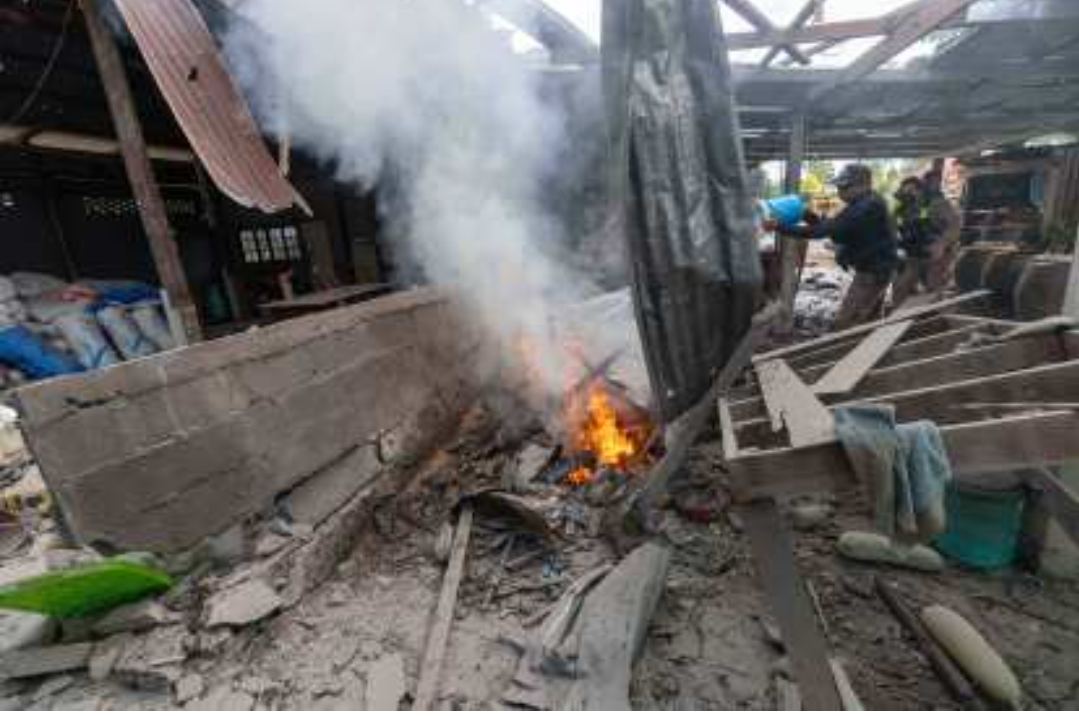
A Thai police officer douses flames at a residential building that Thai security officials say was damaged by Cambodian artillery shelling in Surin province, Thailand, on Thursday. (AP Photo/Wason Wanichakorn)
Early Saturday morning, clashes were reported in multiple areas along the disputed frontier, particularly in Thailand’s Surin and Sisaket provinces. Thai authorities said Cambodian artillery had struck residential areas, damaging homes and injuring civilians. Cambodian officials, meanwhile, accused Thailand of launching airstrikes, alleging that Thai jets targeted positions near the border. The renewed violence has intensified an already volatile conflict rooted in longstanding territorial disputes between the two Southeast Asian neighbors.
Disputed Ceasefire Claim
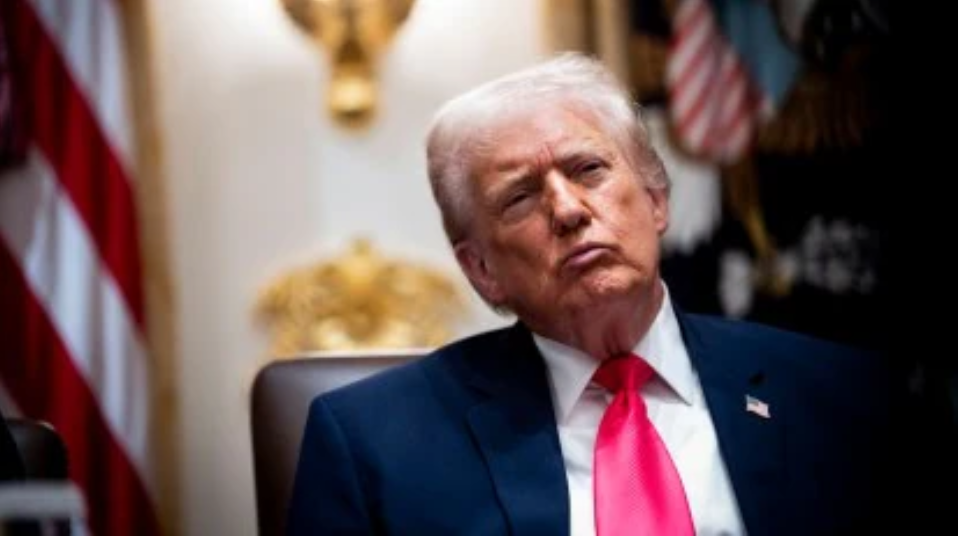
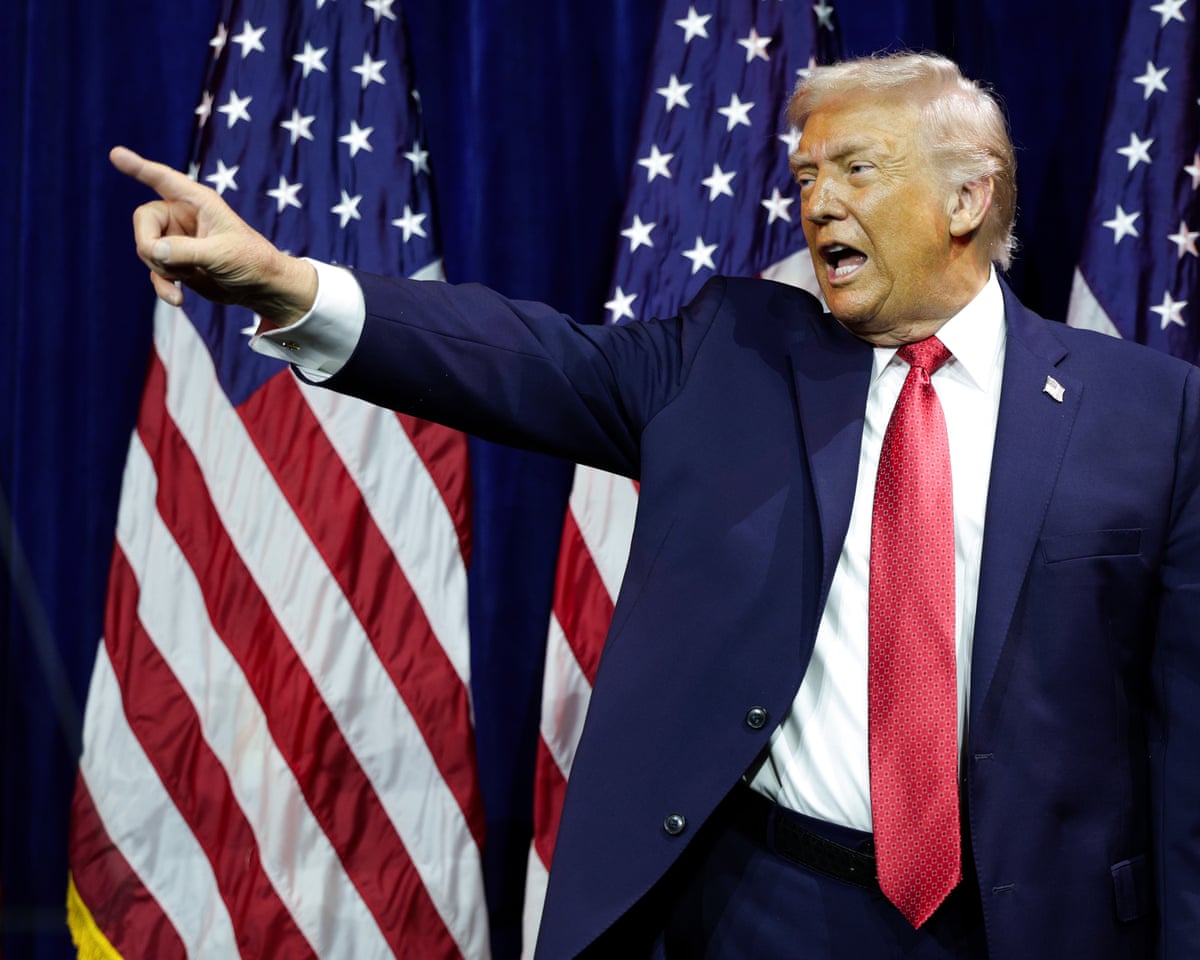
The latest escalation follows a dramatic announcement by President Trump, who late Friday said he had secured an agreement from both Thailand and Cambodia to immediately cease hostilities. Posting on his social media platform, Truth Social, Trump declared that both sides had agreed to “CEASE all shooting” and return to the original peace accord previously brokered with his involvement and the assistance of Malaysian Prime Minister Anwar Ibrahim.
However, Thai officials were quick to refute the claim. The Thai foreign ministry stated explicitly that no ceasefire agreement had been reached. Prime Minister Anutin Charnvirakul, after speaking with Trump, said he had explained Thailand’s position and emphasized that peace would depend on Cambodia halting its attacks first. He did not announce any commitment to stop military operations.
Cambodia’s response was more restrained but equally inconclusive. The Cambodian government did not publicly confirm Trump’s assertion. Instead, its defense ministry reported that Thai airstrikes had taken place on Saturday morning. Cambodian media outlets mentioned Trump’s claim but offered no additional details or official confirmation.
Roots of the Latest Violence
The current wave of fighting traces back to a skirmish on December 7, when two Thai soldiers were wounded near the border. That incident effectively derailed a fragile ceasefire that had been holding since July, following five days of intense clashes earlier in the year.
The July ceasefire itself was the product of intense diplomatic pressure. Malaysia played a central mediating role, while Trump reportedly pushed both governments by threatening to withhold trade privileges if they failed to halt hostilities. That truce was later formalized in October during a regional meeting in Malaysia attended by Trump, raising hopes that a more durable peace might be achieved.
Those hopes have now been shaken. The December 7 incident reopened old wounds, reviving fears that the border dispute could spiral into a prolonged and more destructive conflict.
Human Cost Mounts
The humanitarian toll of the renewed fighting has been severe. Officials estimate that about two dozen people have been killed in the past week alone, while hundreds of thousands of civilians have been displaced on both sides of the border.
The Thai military has acknowledged that 11 of its soldiers have been killed. It also estimates that 165 Cambodian soldiers have died, though Cambodian authorities have not confirmed these figures. Phnom Penh has instead reported civilian casualties, saying at least 11 civilians have been killed and 76 wounded as a result of the fighting.
On Saturday, the Thai army said that BM-21 rockets fired from the Cambodian side struck a civilian area in Sisaket province, seriously injuring two civilians. According to officials, the victims had heard warning sirens and were running toward a bunker when the rockets landed. The incident has heightened concerns about the indiscriminate nature of the weapons being used.
Weapons and Tactics
Thailand and Cambodia have adopted markedly different military approaches in the current confrontation. Thai forces have carried out airstrikes, which Bangkok says are aimed strictly at military targets. Cambodia, on the other hand, has relied heavily on BM-21 multiple rocket launchers.
BM-21 systems are capable of firing up to 40 rockets in rapid succession, with a range of 30 to 40 kilometers. While devastating, these rockets lack precision, making them particularly dangerous in or near populated areas. Although many of the rockets have landed in zones that were previously evacuated, the risk to civilians remains high, as evidenced by Saturday’s strike in Sisaket.
Military analysts warn that the continued use of such weapons increases the likelihood of civilian harm and complicates efforts to restore calm, as each new incident fuels anger and mistrust on both sides.
Political Uncertainty in Thailand
Adding to the complexity of the situation is political uncertainty in Thailand. Prime Minister Anutin Charnvirakul announced on Friday that he had dissolved Parliament, paving the way for early elections next year. The move comes at a time when the country is grappling not only with external security challenges but also with internal political pressures.
Observers note that domestic politics could influence Bangkok’s stance in the conflict, as leaders may be reluctant to appear weak or conciliatory amid heightened nationalist sentiment and an approaching election cycle.
Cambodia’s Cautious Tone
Cambodian Prime Minister Hun Manet, in comments posted early Saturday, confirmed that he had spoken with Trump on Friday night and with Malaysian Prime Minister Anwar Ibrahim the night before. While he expressed gratitude for their efforts to promote peace, he stopped short of endorsing a ceasefire.
“Cambodia is ready to cooperate in any way that is needed,” Hun Manet said, a statement that suggests openness to diplomacy but leaves room for continued military action if Phnom Penh believes its security is threatened.
What Lies Ahead
As of now, the situation along the Thailand–Cambodia border remains fluid and dangerous. The gap between diplomatic statements and battlefield realities highlights the fragility of any potential ceasefire. Without clear, publicly acknowledged commitments from both sides, international mediation efforts face significant hurdles.
Malaysia’s role as a regional mediator may again prove crucial, particularly if backed by sustained pressure from the United States and other international actors. Yet, lasting peace will likely require more than external pressure—it will demand renewed dialogue, confidence-building measures, and a willingness by both governments to address the deep-rooted territorial disputes that continue to spark violence.
For the civilians caught in the crossfire, the immediate priority remains safety and relief. Until the guns fall silent, uncertainty will continue to dominate daily life along one of Southeast Asia’s most volatile borders.
Discover more from AMERICA NEWS WORLD
Subscribe to get the latest posts sent to your email.










Leave a Reply