
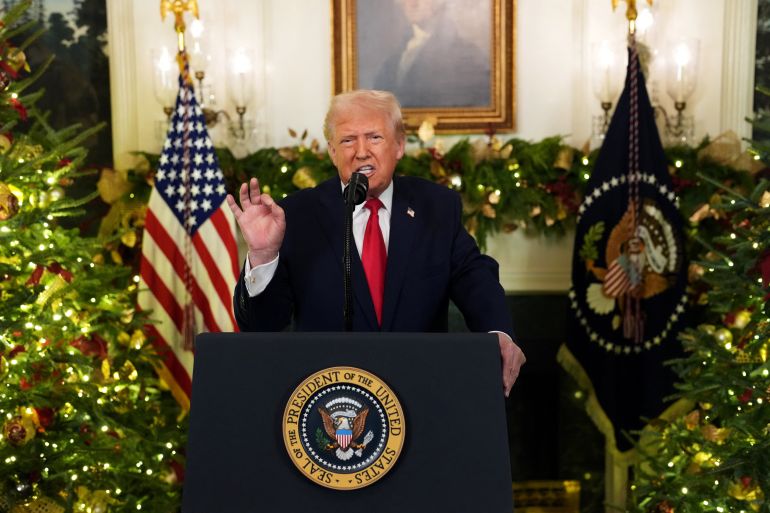
On December 18, 2025, the main story surrounding President Donald Trump centers on his prime-time address to the nation delivered the previous evening from the White House Diplomatic Reception Room. In an 18-minute speech broadcast live on major networks, Trump sought to reassure Americans about the economy while blaming past Democratic policies for ongoing challenges. He highlighted what he called historic progress in his second term, announced a special bonus for military members, and promised further gains ahead.

Trump opened by claiming he inherited an economic “mess” from former President Joe Biden. He pointed to reduced illegal border crossings, which he said have dropped to the lowest levels since 1970. The president tied this to better job opportunities and housing for citizens, arguing that deportations help American workers. He boasted of securing $18 trillion in new investments, leading to factory openings and wage growth.
One highlight came when Trump announced a $1,776 “Warrior Dividend” bonus check for nearly 1.5 million active-duty troops, timed for Christmas and nodding to the year 1776. Details on funding remain unclear, with questions about whether Congress must approve it.
On energy and costs, Trump said gas prices have fallen to around $2.90 per gallon nationally, down slightly from last year. He promoted efforts to cut prescription drug prices through deals with companies, including sales on a new site called TrumpRx. He addressed worries over health care subsidies set to expire, blaming the Affordable Care Act for favoring insurance firms.
The speech drew mixed reactions. Supporters praised the focus on military support and border security. Critics noted that polls show low approval for Trump’s handling of the economy—around 36% in recent surveys—with many Americans saying incomes lag behind rising costs. Unemployment ticked up recently, and inflation concerns persist.
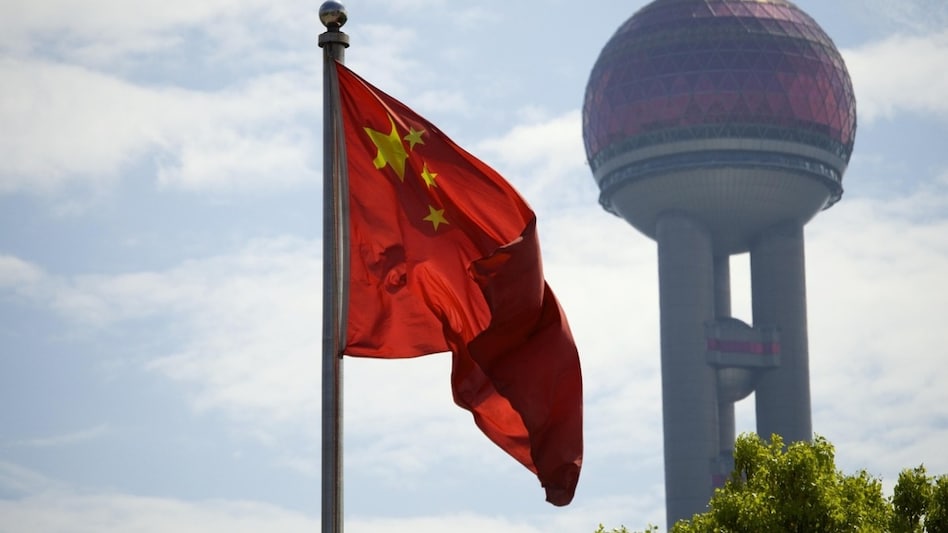
Foreign policy got little mention, though separate reports noted a major $11 billion arms package to Taiwan, including missiles and drones, announced around the same time. This drew sharp criticism from China.
Other developments include updates to the White House “Presidential Walk of Fame,” where new plaques under former leaders’ portraits reflect Trump’s views—labeling Biden as the “worst” president and Obama as divisive.
Democrats pushed back hard. Some House members forced a vote on extending health subsidies, highlighting fears of higher costs for low-income families. Fact checks questioned several claims, like exact gas price drops in states or the scale of investments.
Looking ahead, Trump teased lower interest rates once the current Federal Reserve chair’s term ends in 2026. He predicted an “economic boom” next year.
This address comes as the administration faces scrutiny on multiple fronts, from domestic affordability to international tensions. With midterm elections approaching in 2026, the speech appeared aimed at reshaping public views on his record.
In related news, tensions rose with Venezuela over oil issues, and separate actions targeted transgender health policies in federal programs.
Overall, December 18 saw continued focus on Trump’s efforts to frame his presidency as a turnaround story amid persistent voter concerns over prices and jobs.
Discover more from AMERICA NEWS WORLD
Subscribe to get the latest posts sent to your email.



























Leave a Reply