
By_shalini oraon

A Cry Across Borders: Pakistani Woman’s Plea to Modi Exposes The Complex Web of Cross-Border Marriages
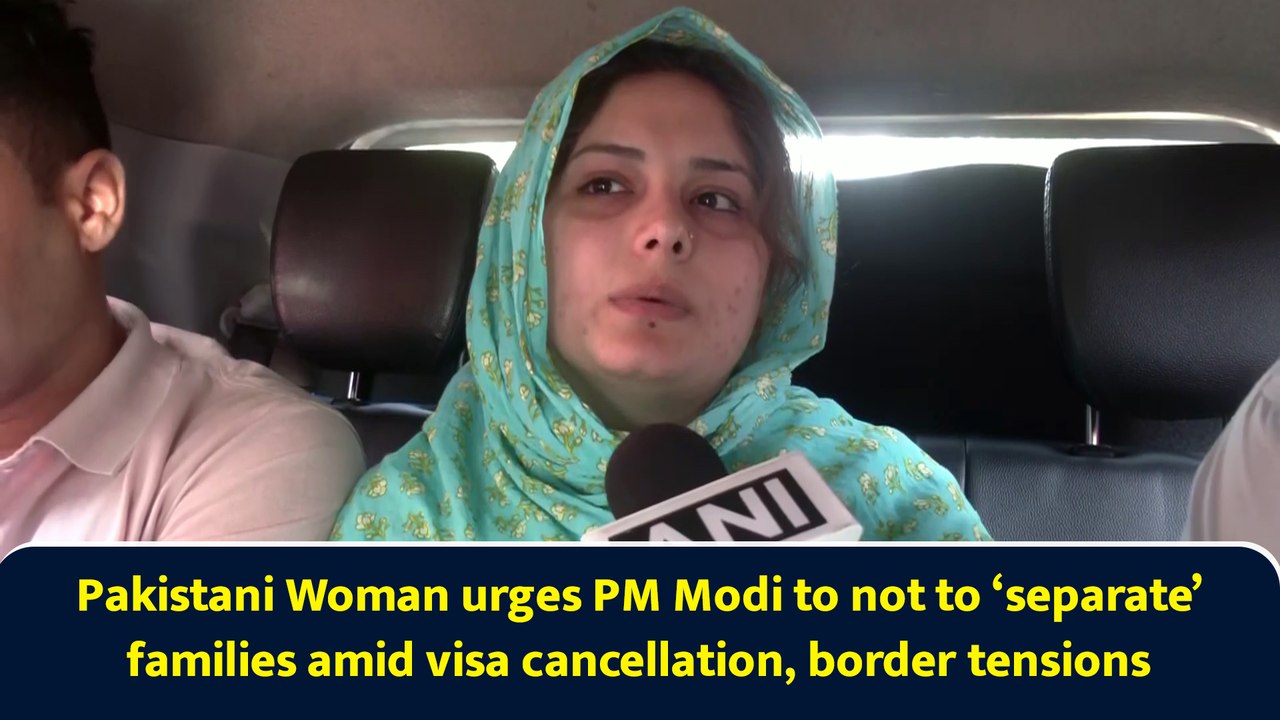
In an appeal that transcends geopolitics and touches the raw nerve of human vulnerability, a Pakistani woman’s desperate video message to Indian Prime Minister Narendra Modi has spotlighted a hidden, painful world of cross-border marriages, abandonment, and legal limbo. Her allegation is specific and personal: her Indian husband, after bringing her to India, has allegedly abandoned her and is planning a second marriage in Delhi. Yet, her story is a window into a far more complex saga involving love, law, citizenship, and the crushing weight of bureaucratic inertia between two historically tense neighbors.
The Personal Plight Within Political Reality
The woman’s direct appeal to the highest office in India is a strategic act of desperation. It underscores a fundamental truth: when all other doors—local police, courts, embassies—seem closed or ineffective, the court of public opinion and the hope for top-down intervention become the last resort. Her situation is fraught with immediate perils: potential homelessness, statelessness, financial ruin, and the emotional trauma of betrayal. As a Pakistani national in India on a Long Term Visa (LTV), typically granted for marriage to an Indian citizen, her legal status is intrinsically tied to her husband. Alleged abandonment doesn’t just break a home; it threatens to invalidate her very right to remain in the country, leaving her in a terrifying administrative abyss.
This case is not isolated. It echoes the ordeal of numerous women, both Pakistani and Indian, who find themselves stranded by the collapse of transnational marriages. Pakistani women married to Indian men often face a daunting journey: navigating the stringent visa regime, enduring long security checks by Indian agencies, and integrating into a new society where they can be viewed with suspicion. Their legal recourse is a labyrinth. Filing a police case or a matrimonial suit in Indian courts is a protracted process, often met with cultural and procedural hurdles. Conversely, for an Indian woman married to a Pakistani man facing similar abandonment in Pakistan, the challenges, compounded by that nation’s legal framework, are equally dire.
The Legal Labyrinth and the “Visa-Wife” Predicament
At the heart of such tragedies is a legal framework ill-equipped to handle the human fallout of failed cross-border relationships. The grant of an LTV or citizenship in India to a Pakistani spouse is discretionary and contingent on the continuation of the marriage. While provisions exist for women to apply for citizenship on their own merit after a period, the process is long, uncertain, and often beyond the means of someone suddenly left destitute. The fear of deportation looms large, creating a power imbalance where the foreign spouse may endure hardship silently.
This phenomenon points to what activists term the “visa-wife” predicament, where a person’s immigration status is weaponized within a marriage. The threat of reporting one’s spouse to authorities to nullify their visa can be a tool of coercion. In the absence of robust, gender-sensitive protocols that decouple humanitarian protection from marital status, these individuals remain exceptionally vulnerable.
A Diplomatic and Humanitarian Impasse
The woman’s appeal to PM Modi also highlights the stark deficit in formal bilateral mechanisms to address such consular and humanitarian crises. India and Pakistan have no comprehensive agreement or joint commission to handle matrimonial disputes, child custody battles, or the welfare of abandoned spouses. Communication between the two countries is largely frozen at the political level, and people-to-people contact is minimal and heavily regulated.
This places an enormous burden on their respective High Commissions, which operate with limited resources and within the constraints of a hostile relationship. Their primary role is often reduced to ensuring basic consular access, not mediating complex personal disputes. The result is that human beings, particularly women, become collateral damage in the wider political standoff, their suffering invisible to the grand narratives of diplomacy and national security.
The Path Forward: Beyond Ad-Hoc Solutions
Resolving this specific case will require sensitive, swift intervention from Indian social welfare and legal authorities to ensure the woman’s safety, fair access to justice, and a humanitarian review of her visa status independent of her husband’s actions. But to prevent a continual recurrence, systemic change is imperative.
First, India must review its domestic policy regarding foreign spouses, particularly from neighboring countries. Clear, transparent guidelines are needed for granting independent residency or citizenship rights to victims of marital fraud or abandonment, following due verification. This would align with progressive global practices that protect vulnerable immigrants from domestic abuse, including immigration abuse.
Second, civil society in both nations must build bridges where governments cannot. Women’s rights organizations and legal aid groups in India and Pakistan can form informal networks to share best practices, offer cross-border guidance, and advocate for their respective governments to establish a humanitarian corridor for resolving such cases.
Finally, there is a need for a bilateral framework, however modest. Even in a climate of tension, both countries could agree to a protocol under the auspices of their respective National Human Rights Commissions or through a designated nodal officer in each Foreign Ministry to act as a point of contact for such human emergencies. This would depoliticize individual suffering and provide a predictable, legal pathway for redress.
Conclusion: Humanity Before Hostility
The Pakistani woman’s video is more than a plea; it is a mirror held up to both nations. It reflects the failure of systems to protect the most vulnerable at the intimate intersections of love and law. Her voice, trembling with fear and hope, challenges the rigid architectures of nationality and diplomacy. It asks a fundamental question: In the no-man’s-land between India and Pakistan, where politics divides, can a shared commitment to basic human dignity create a bridge?
Addressing her plight with compassion and justice is not a sign of political weakness, but a demonstration of civilizational strength. It is an opportunity for India to showcase the efficacy and empathy of its governance at the most granular human level. Ultimately, the measure of a society is not just in how it treats its own citizens, but in how it handles the stranger at its door, especially one who arrives through a bond of love and is left broken by its betrayal. Her story must become a catalyst for change, ensuring that in the future, no person’s cry for help is lost in the deafening silence between two borders.
Discover more from AMERICA NEWS WORLD
Subscribe to get the latest posts sent to your email.












Leave a Reply