

By_shalini oraon

A Tragic Meal: How Spilled Dal Unveiled a Deadly Culture of Bullying in an Odisha School
In a chilling revelation that has sent shockwaves across India, the police in Odisha have disclosed that the death of a 17-year-old student at the Kalinga Institute of Social Sciences (KISS) in Bhubaneswar was not a case of suicide or an accident, but a premeditated murder. The motive, as alleged by investigators, is almost incomprehensible in its banality: an argument over spilled dal (lentil curry). This incident, emerging from one of the state’s most prominent residential institutions for indigenous students, has spiraled into a national conversation about bullying, institutional accountability, and the protection of vulnerable children in closed environments.
The Incident: From a Mess Hall to a Mortuary
The victim, a Class XII student, was found dead in the hostel’s washroom last week. Initial reports and the institute’s first reactions suggested the possibility of suicide. However, a detailed police investigation, fueled by inconsistencies in statements and aided by forensic evidence, pieced together a horrifyingly different sequence of events.
The trigger, police say, occurred in the hostel mess. An altercation erupted between the victim and a group of senior students after some dal was accidentally spilled. What might typically be dismissed as a minor scuffle in a crowded dining hall allegedly escalated into a brutal and fatal assault. The police claim that later that night, the accused students—reportedly four seniors—lured the boy to a secluded washroom area. There, they are alleged to have brutally beaten him, leading to fatal injuries. The body was then allegedly strung up to simulate a suicide, a grotesque attempt to cover up the crime.
Beyond the “Spilled Dal”: Unpacking the Systemic Rot
While the spilled food is the immediate catalyst, authorities and child rights activists are adamant that it is merely the spark that ignited a powder keg of deep-seated issues. This tragedy is seen as a symptom of a potentially toxic hostel culture where ragging and bullying have been normalized.
· The Perils of a Closed Ecosystem: KISS, with over 30,000 students, is a largely self-contained residential ecosystem. While such models provide education and shelter to thousands from impoverished tribal backgrounds, they also create environments where internal hierarchies can flourish unchecked. The power dynamic between seniors and juniors, if left unregulated, can morph into systemic abuse.
· A Culture of Silence and Fear: In many such institutions, a code of silence prevails. Juniors, often away from home for the first time and dependent on the system for their future, are terrified of reporting abuse for fear of retaliation, social ostracization, or even expulsion. This fear allows bullies to operate with impunity.
· Institutional Failure? The most searing questions are now directed at the institute’s administration. How could a fatal assault take place within hostel premises without immediate intervention? Were there previous, unreported incidents involving the accused? Was the anti-ragging committee and internal vigilance mechanism effectively functional? The police’s assertion that the crime was staged as a suicide raises serious doubts about the initial internal inquiry conducted by the institute.
The Fallout: Arrests, Protests, and a National Reckoning
The police have moved swiftly, arresting the four senior students and charging them with murder and destruction of evidence. The case is being treated with the utmost seriousness. However, the legal process is just one facet of the fallout.
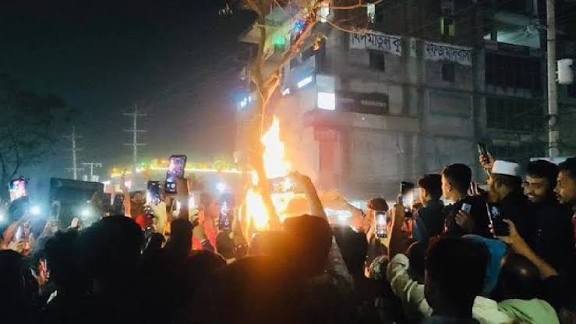
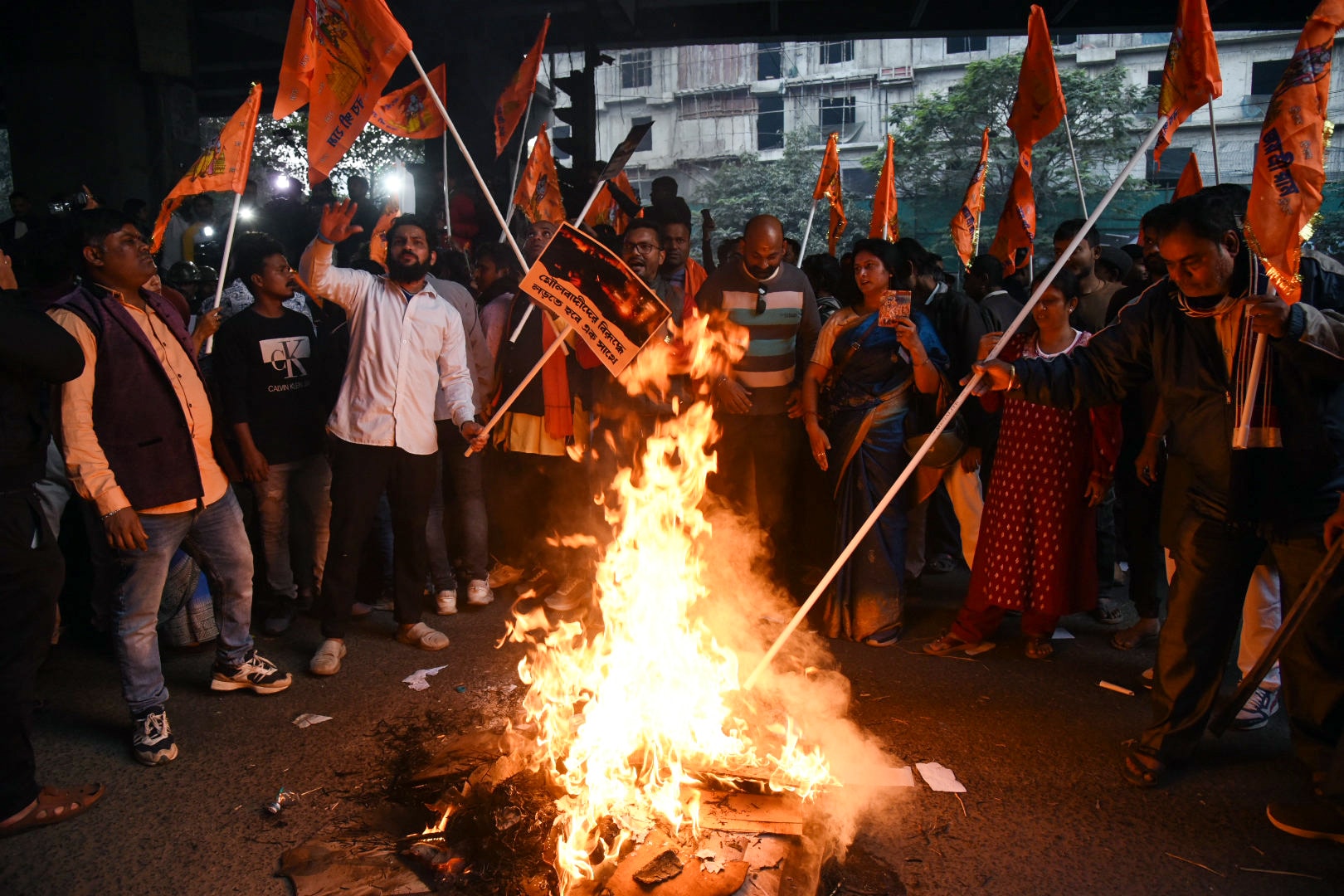
The campus and the capital city of Bhubaneswar have witnessed intense protests. Fellow students, tribal organizations, and opposition political parties have taken to the streets, demanding justice for the victim and the resignation of the institute’s founder, Dr. Achyuta Samanta. Protesters allege a long-standing cover-up culture and are calling for a Central Bureau of Investigation (CBI) probe to ensure impartiality, expressing distrust in the local investigation’s ability to challenge a powerful institution.
The state government has come under pressure to act. The Odisha State Commission for Protection of Child Rights (OSCPCR) has issued notices to the institute and the police, seeking detailed reports. The National Commission for Scheduled Tribes (NCST) has also taken suo motu cognizance, emphasizing the vulnerability of tribal children.
The Broader Canvas: Ragging, Bullying, and the Indian Educational System
This incident is a grim reminder that the menace of ragging and extreme bullying is far from eradicated in Indian educational institutions, despite the stringent UGC regulations and Supreme Court directives. It exposes the gap between policy on paper and practice on the ground.
1. Psychological Oversight: Large residential schools often lack adequate professional counseling infrastructure to identify and address aggression, stress, and conflict among students.
2. Grievance Redressal Mechanisms: For anti-ragging committees to be effective, students must have absolute faith in their confidentiality and effectiveness. This tragedy suggests a possible breakdown in that trust at KISS.
3. Sensitization vs. Punishment: While punishment for perpetrators is crucial, there is a pressing need for continuous sensitization programs that foster empathy and respect, dismantling the corrosive culture of seniority-based power.
A Childhood Lost, A System Tested
The death of the 17-year-old student is an unbearable loss—a young life with promise extinguished over something as trivial as a meal. His family, part of Odisha’s indigenous community that saw KISS as a beacon of hope, is now grappling with an unimaginable grief.
As the police build their case in court, the larger trial is that of the system itself. The “spilled dal” murder is a catastrophic signal that within the walls of institutions meant to nurture and empower, a dangerous undercurrent of violence can sometimes thrive. It is a clarion call for every residential educational institution in India to audit its culture, reinforce its protective mechanisms, and ensure that no child’s life is ever again deemed less valuable than the fragile ego of a bully. The quest for justice for this young boy must translate into a unwavering commitment to make educational hostels safe havens, not hunting grounds.
Discover more from AMERICA NEWS WORLD
Subscribe to get the latest posts sent to your email.
































Leave a Reply