
By Suraj Karowa/ ANW February 1 2026

Activists pulled items from the polluted Yamuna River, including statues of idols, on January 25, 2026, as high levels of ammonia made the water was too toxic to treat.
Ravinder Kumar trudges through ankle-deep sludge daily to exit his home in Sharma Enclave, northwest Delhi.
Inside his brick tenement, the 55-year-old father of three twists empty plastic taps, yearning for a drop to drink.
“Water comes once every three days, and even then, only clean for an hour,” Kumar told reporters Monday.
“It’s hard to bathe. Sometimes it’s black. We wash once every four or five days.”
Kumar is among millions enduring water shortages in India’s capital, triggered by soaring ammonia levels in the Yamuna River.
Last week, high pollution forced shutdowns at six of Delhi’s nine major water treatment plants, crippling supply for 43 neighborhoods—home to about 2 million people.

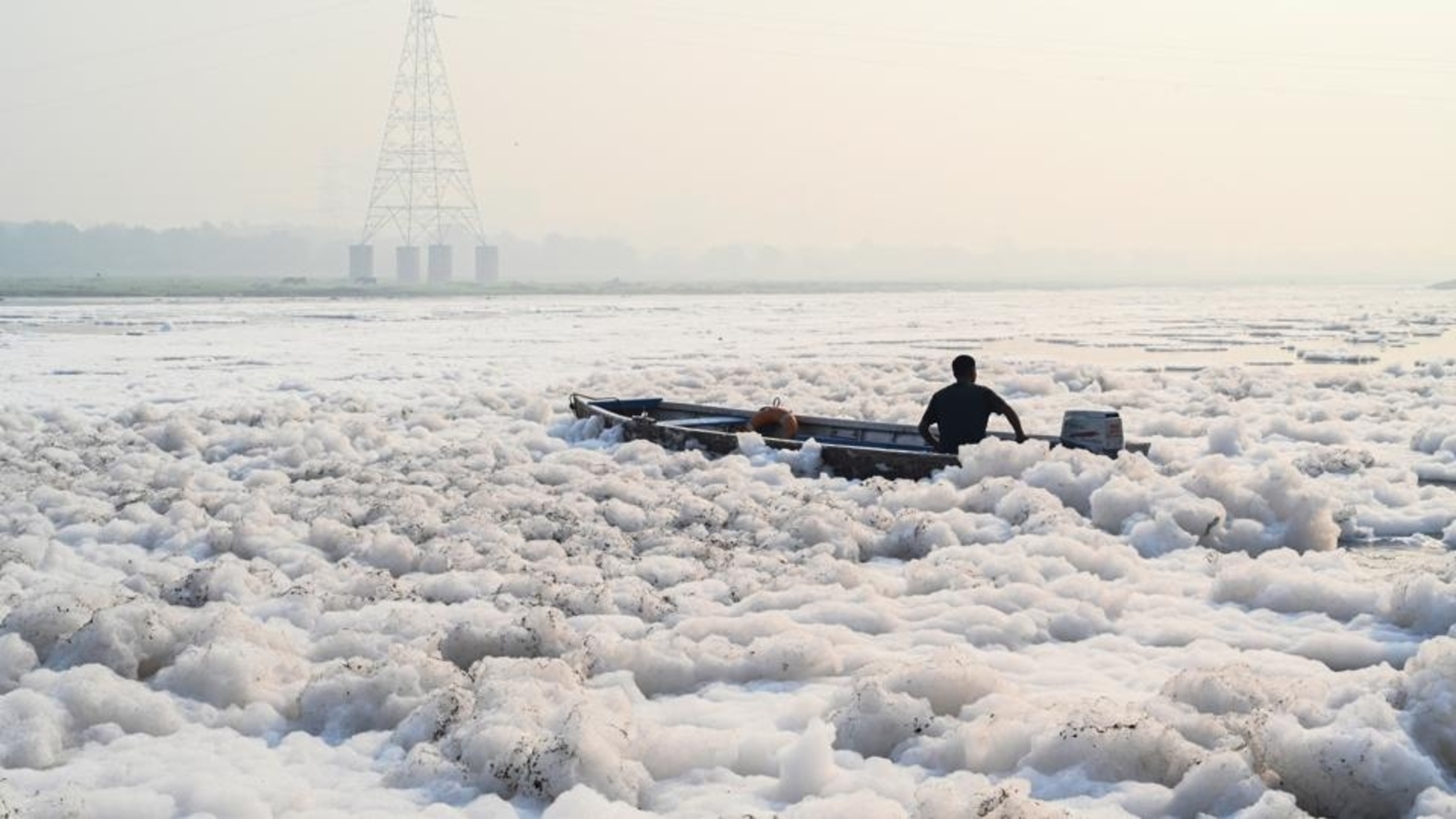
Pankaj Kumar on the banks of the Yamuna River, with toxic foam behind him.
The Delhi Water Board restored partial service by January 24, but residents in areas like Sharma Enclave and Raghubir Nagar report unreliable taps days later.
On Friday, stored water from a brief Thursday flow was yellow and reeked of rotting eggs.
“Everyone’s health is deteriorating,” said resident Shashi Bala, 70. “Everything here is dirty.
“CNN-style reporting confirmed 10 resident associations—representing over 600,000 people—received no water for days. Others faced cuts of a day or reduced pressure.
The board attributes minor quality issues to “illegal booster pumps and unauthorized connections,” claiming normal supply is returning.
The Yamuna, sacred to millions and flowing 1,376 kilometers from Himalayan glaciers, supplies 40% of Delhi’s water.
Yet decades of industrial waste and untreated sewage have turned it into a toxic drain.
Delhi, through which just 2% of the river passes, generates 76% of its pollution, per government data.
Dissolved oxygen often hits zero, killing aquatic life, while white toxic foam blankets the surface.

A morning view of the polluted Yamuna River on January 11, 2026 in New Delhi, India.
Last Sunday, activists waded into the murk near riverbanks, hauling out plastic waste, discarded clothes, and submerged religious idols amid pungent fumes.
“Delhi became a city because the Yamuna flowed,” said volunteer Pankaj Kumar.
“We’ve finished this river.” They even tried blocking a man immersing an idol, citing further pollution risks.
The crisis worsens amid Delhi’s unchecked urbanization. Unauthorized colonies lack pipelines and drainage, allowing sewage to poison groundwater, as a 2022 study on heavy metals warned.
In Sharma Enclave, garbage-clogged drains and nearby construction floods alleys with wastewater.
Bala’s home stayed inundated for six months, sickening her family.
A disabled son can’t fetch bottled water—too heavy at 30 cents per 5 liters—and taps ran dry for three days.
When dirty water returned Monday, she used it to wash week-old clothes, despite skin irritation.
Neighbors shared what little they had.In Raghubir Nagar, Raja Kamat endured five waterless days. Friday’s supply was black and scant—30 minutes daily.
Surviving on a $13 monthly pension, she rations every drop. Neighbor Bhagwanti, also 70, decries the “deteriorating system.”
“Smelly black water comes in. No cleaning facilities. They don’t care if you live or die.”Delhi’s water woes date back decades.
The 1993 Yamuna Action Plan pumped millions of rupees into sewage upgrades, but experts call the river a persistent septic tank.
The government now pledges to double sewage treatment to 1,500 million gallons daily and pipe unauthorized areas by 2028.
No responses came from Delhi’s chief minister’s office or Haryana government on Yamuna pollution.
Residents like Kumar store what they can, boiling suspicious water for drinking.
But with summer heat looming, fears mount of worse shortages.Activists urge stricter industrial enforcement and public awareness.
“Removing debris isn’t enough,” Kumar said. “Industrial toxins are the killer.” For now, Delhi’s 20 million residents navigate a daily gamble: twist the tap and hope
Discover more from AMERICA NEWS WORLD
Subscribe to get the latest posts sent to your email.







Leave a Reply