
By_shalini oraon

The Rhetoric of Retribution: Unpacking Trump’s “Merry Christmas to Dead Terrorists” Remark
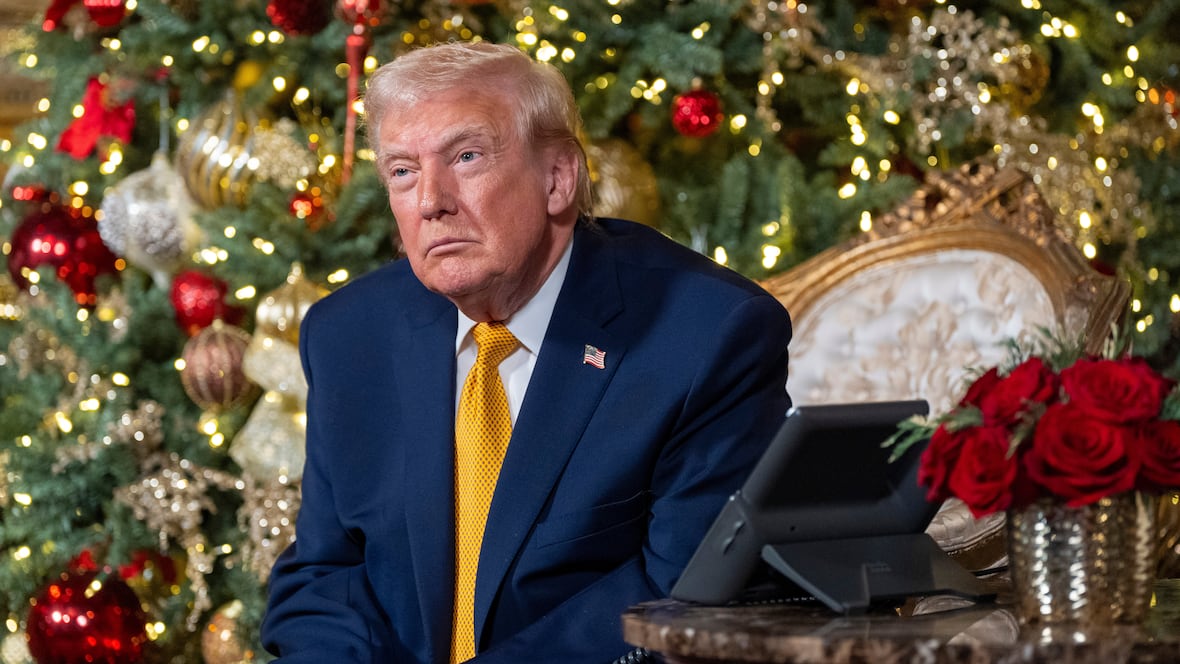
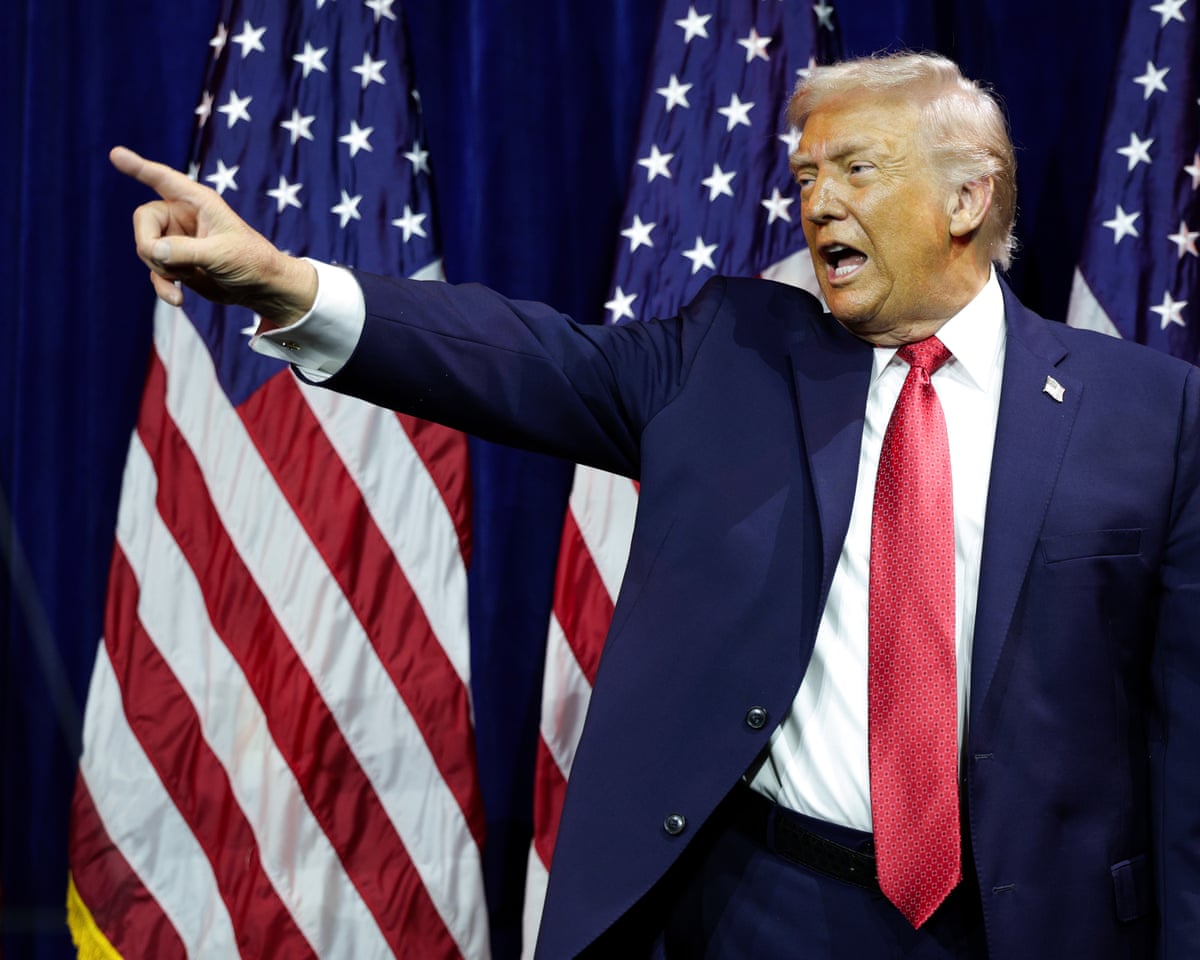
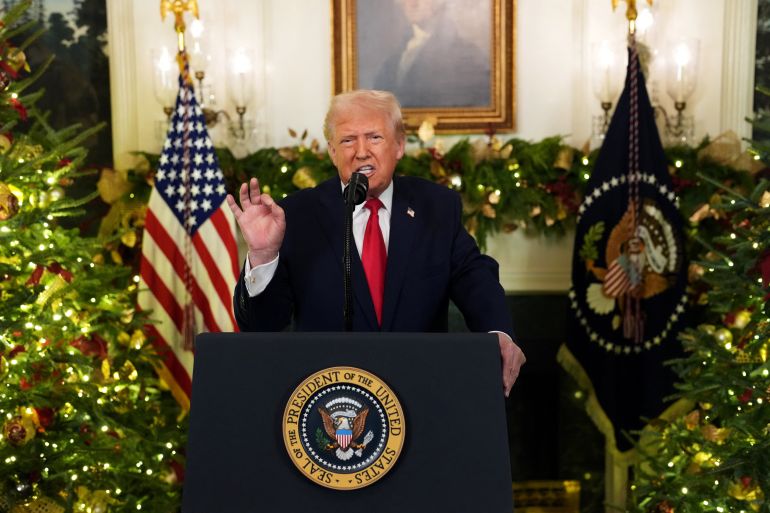
On December 25th, as much of the Christian world celebrated a message of peace and goodwill, a starkly different sentiment emanated from the White House. Following U.S. airstrikes against ISIS-affiliated militants in northeastern Nigeria, President Donald Trump took to Twitter, proclaiming, “Merry Christmas to dead terrorists.” This terse, brutal declaration was more than a military update; it was a piece of political theater that encapsulated his administration’s approach to counterterrorism, communication, and the culture wars. To understand its full significance, we must examine the operation itself, the history of such rhetoric, and the profound implications of framing violence as a festive gift.
The Operation: A Strategic Strike in a Broader War
The airstrikes targeted ISIS in West Africa (ISIS-WA), a faction that split from Boko Haram and has carved a niche of brutality in the Lake Chad region. This group, responsible for decades of violence, displacement, and instability, represents a persistent threat in a region often described as a “gray zone” for great power competition. The U.S. operation, likely conducted with armed Reaper drones based in neighboring Niger, was a tactical success within the long-standing, low-visibility U.S. military presence in Africa.
Strategically, the strike served multiple purposes: it degraded ISIS-WA’s leadership and capabilities, demonstrated U.S. commitment to regional partners like Nigeria, and checked the expansion of a global terrorist brand. However, such operations are routine within the framework of the post-9/11 Authorization for Use of Military Force. What made this incident extraordinary was not the action, but the reaction—the deliberate, jarring packaging of lethal force as a Christmas greeting.
A Tradition of Provocative Rhetoric
Trump’s statement was not an isolated gaffe, but a cornerstone of his political identity. It follows a pattern of rhetoric that strips conflict of bureaucratic euphemism and embraces a raw, vengeful narrative. Recall his earlier quip about “taking the oil” in the Middle East, or his description of ordering a strike as “seeing the beautiful tanks” and “the beautiful fighters.” This vernacular breaks from the somber, clinically detached language typical of past administrations (“kinetic actions,” “collateral damage”).
By saying “Merry Christmas to dead terrorists,” Trump accomplished several communicative goals:
1. Simplification: It reduces a complex, geographically remote counterinsurgency to a simple morality tale of good versus evil.
2. Ownership: It personally claims credit for the outcome, framing the terrorists’ deaths as a direct result of his will and a “gift” he has delivered.
3. Cultural Signaling: The use of “Merry Christmas” is deeply intentional. For years, Trump has positioned himself as a defender of Christmas against perceived secularist “war on Christmas” sentiments. Here, he weaponizes the holiday, transforming a greeting of peace into a declaration of holy war, aligning himself with a base that views the conflict in civilizational terms.
The Reactions: Polarized Perceptions
The response bifurcated along predictable lines. Supporters and some right-wing commentators celebrated the message as a long-overdue dose of blunt truth. To them, it represented a strong, unreserved leader unafraid to celebrate the elimination of evil and to defend Christian identity. Former officials like retired General James Mattis might have pursued similar operational outcomes, but never with such triumphalist language.
Critics, however, including foreign policy experts, human rights advocates, and religious leaders, expressed deep alarm. Their concerns were multifaceted:
· Strategic Blowback: Such rhetoric is potent propaganda for terrorist recruiters. It feeds the ISIS narrative of an existential, religious war waged by a crusading West, potentially swelling their ranks.
· Norm Erosion: It further erodes international norms around the sober, legalistic discussion of lethal force. Democracies traditionally justify violence as a grim necessity, not a festive occasion.
· Moral and Theological Co-option: Many Christians expressed dismay at the hijacking of a sacred holiday. The message of Christmas is “peace on earth, goodwill toward men.” Using it to celebrate death, even of enemies, was seen by many as a profound sacrilege, turning a story of redemption into one of retribution.
· Disrespect to Victims: The glib statement risked overshadowing the ongoing suffering of millions in Nigeria and the Sahel caught between terrorist violence and military operations. It centered the spectacle of U.S. power over the complex, humanitarian reality on the ground.
The Larger Legacy: Transactional Sovereignty and the Shadow War
This episode is a microcosm of the Trump administration’s foreign policy: transactional, unilateral, and mediated through a personal, populist lens. The Nigeria strike itself was part of a consistent pattern of escalating U.S. military engagement in Africa, even as the administration publicly debated withdrawing troops. It highlighted a preference for kinetic solutions (airstrikes, Special Operations) over sustained, diplomatic, and state-building efforts.
Furthermore, the tweet underscored the central role of Trump’s personal communication in conducting statecraft. The presidential Twitter feed became the bulletin of victory, bypassing traditional channels to shape global perception directly. In this case, the goal was less to inform than to provoke and dominate the news cycle with a narrative of strength.
Conclusion
“Merry Christmas to dead terrorists” will be recorded not as a policy, but as a moment—a crystallized expression of an era. The airstrikes in Nigeria were a continuation of a shadow war. The rhetoric surrounding them was a revolution. It marked the convergence of counterterrorism strategy, domestic political branding, and the relentless pursuit of media attention.
The statement’s power lies in its undeniable resonance with a portion of the American public weary of nuanced apologies for power. Its danger lies in its simplification of a deadly serious struggle, its potential to inflame the very ideologies it seeks to destroy, and its corrosion of the discursive guardrails that separate necessary violence from celebratory vengeance. As the war on terror continues to morph and persist, the long-term impact of framing such violence not as a tragic duty, but as a Christmas gift from the Commander-in-Chief, may prove to be one of the most enduring and troubling legacies of the Trump presidency. It reminds us that in the modern age, the weaponization of words can be as consequential as the weaponization of drones.
Discover more from AMERICA NEWS WORLD
Subscribe to get the latest posts sent to your email.
















Leave a Reply