
By_shalini oraon

Maharashtra Local Body Elections 2025: A Crucible of Political Fortunes
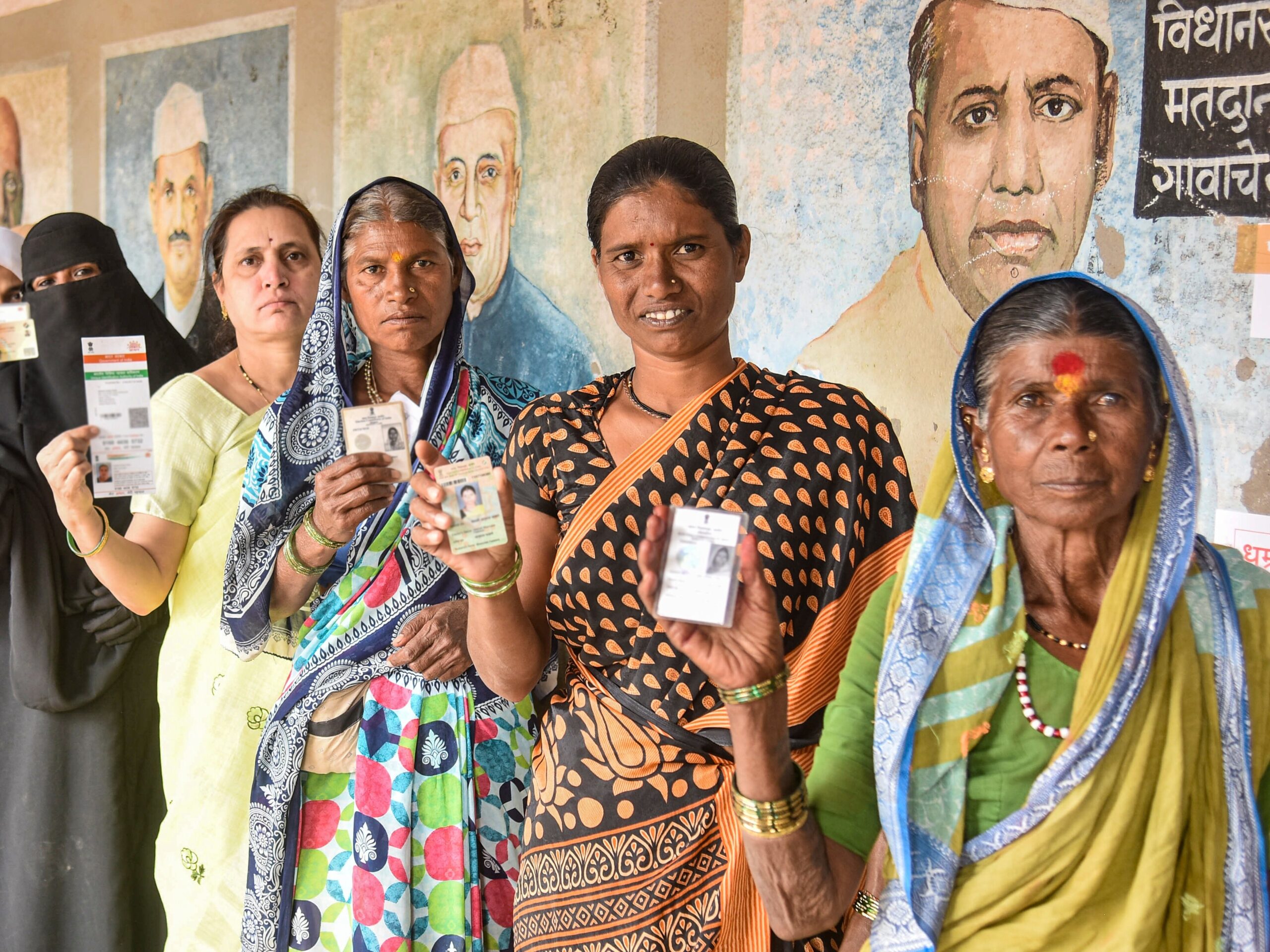
The air in Maharashtra is thick with anticipation and the digital sphere buzzes with real-time updates as the counting of votes for the crucial 2025 local body elections begins. This is more than just a routine electoral exercise; it is a high-stakes battlefield where the ruling Mahayuti alliance (BJP, Shiv Sena (Shinde), NCP (Ajit Pawar)) and the opposition Maha Vikas Aghadi (MVA) (Shiv Sena (UBT), Congress, NCP (Sharadchandra Pawar)) are locked in a fierce struggle for supremacy. The results will serve as the most significant political barometer since the fractured state assembly polls, offering a verdict on shifting allegiances, leadership credibility, and grassroots sentiment ahead of the 2029 general elections.
The Stakes: Why Local Bodies Matter More Than Ever
Local body elections—encompassing municipal corporations, councils, and panchayats—are often termed the “school of democracy.” In Maharashtra’s hyper-charged political climate, they have become a national bellwether. For the Mahayuti, this is a test of the stability and performance of its unlikely three-party coalition, forged through dramatic splits in the Shiv Sena and NCP. A strong showing would validate these controversial realignments as politically astute and demonstrate the alliance’s organizational cohesion at the grassroots level.
For the MVA, still reeling from the defections that cost them power, these elections are an existential fightback. A successful performance would prove that their narrative of “betrayal” resonates with the public and that their coalition, though in opposition, retains a robust ground game. It would reinvigorate their cadres and position them as a viable alternative.
Key Battlegrounds to Watch
As counting progresses, analysts are eyeing a few key regions that will define the narrative:
· The Mumbai Metropolitan Region (MMR): The crown jewel, including bodies like the BMC (Brihanmumbai Municipal Corporation), is a prestige battleground. Control here is not just about immense financial resources but also symbolic power. The Mahayuti faces the challenge of managing internal seat-sharing tensions among its three partners, all of whom have historical roots in the region. The MVA’s ability to hold its fort here will test Uddhav Thackeray’s enduring appeal.
· Western Maharashtra: The sugar belt, traditionally an NCP (Sharad Pawar) stronghold, is now a complex chessboard. Can Deputy CM Ajit Pawar’s NCP faction make inroads into his uncle’s heartland? Or will the combined force of the MVA, with Sharad Pawar’s seasoned machinery and Congress’s presence, stave off the rebellion? The results here will measure the depth of the Pawar family’s split.
· Vidarbha & Marathwada: These regions, with their complex mix of agrarian issues and urban centers, are bellwethers for broader state issues. The Maratha reservation agitation and farm distress have been potent themes. The performance of parties here will indicate which alliance has managed to address—or at least politically navigate—these simmering crises.
Live Counting Trends: Early Narratives Emerge
As the first trends trickle in, a patchwork picture is emerging:
· Early Lead for Mahayuti: Initial leads in several municipal councils in Vidarbha and parts of Marathwada suggest the BJP’s formidable election machinery, combined with local allies, is yielding results. The “double engine sarkar” narrative (same party ruling at centre and state) seems to be providing an edge in semi-urban areas.
· MVA Resilience in Urban Strongholds: Contrary to predictions of a sweep, the MVA is putting up a stiff fight in several key urban corporations. The Shiv Sena (UBT) appears to be retaining significant loyalty in its traditional bastions, while Congress is showing signs of revival in some district headquarters, likely fueled by anti-incumbency against sitting local representatives.
· The “Independent” Factor: A notable trend is the strong performance of local independents in many wards. This is being read as a sign of public frustration with the constant churn of state-level politics and a preference for hyper-local issues like water, roads, and sanitation. Both alliances will need to work hard to co-opt these winners post-results.
Undercurrents Shaping the Verdict
Several deeper factors are influencing these results beyond mere alliance arithmetic:
1. The Shadow of Splits: Voters are not just choosing between alliances but also between factions of the same party. The personal appeal of leaders like Uddhav Thackeray versus Eknath Shinde, or Sharad Pawar versus Ajit Pawar, is being tested directly. The results will quantify the political cost or benefit of the rebellions.
2. Organizational Muscle: The BJP’s centralized, data-driven campaign model is pitted against the MVA’s more traditional, cadre-based networks. The efficiency of booth-level management during voting is now reflecting in the counting trends.
3. Issue-Based Voting: While national issues like Hindutva and development are in play, local corruption, infrastructure decay, and mismanagement during recent floods and droughts have heavily influenced voter mood. Where the MVA is leading, it often correlates with strong local anti-incumbency against sitting Mahayuti representatives.
The Road Ahead: Implications for Maharashtra’s Political Future
The final tally, once all results are declared, will set the course for Maharashtra politics for the next three years.
A decisive Mahayuti victory would cement the positions of Chief Minister Eknath Shinde and Deputy CMs Devendra Fadnavis and Ajit Pawar. It would embolden the alliance to pursue more aggressive political and policy moves, potentially including a push for early state elections to secure a clearer majority. It would also signal a potential weakening of the Thackeray and Sharad Pawar-led factions.
A strong MVA performance, especially if it wins a majority of major corporations, will be hailed as a dramatic comeback. It will solidify the opposition coalition, silence internal doubts, and potentially trigger renewed calls for a floor test in the state assembly, arguing that the government has lost the people’s mandate.
A hung verdict or a narrowly split verdict is perhaps the most likely outcome, mirroring the state’s fractured polity. This would lead to a frenzied race to lure independents and smaller parties, replaying the manoeuvring seen at the state level. Governance in critical urban local bodies could suffer, but political instability would ensure that Maharashtra remains the epicenter of Indian politics.
As the counting reaches its climax, one thing is clear: the 2025 local body elections have transcended their administrative purpose. They are a raw, vibrant, and definitive referendum on the state’s turbulent political journey since 2019. The verdict will not just decide who controls municipal coffers; it will reshape alliances, redefine loyalties, and recalibrate the trajectory of India’s most politically significant state. The battle for Maharashtra’s soul, fought one ward at a time, is delivering its verdict.
Discover more from AMERICA NEWS WORLD
Subscribe to get the latest posts sent to your email.







Leave a Reply