

By Manisha Sahu,America News World
November 22, 2025
Japan’s first female prime minister, Sanae Takaichi, is confronted with one of the country’s most enduring and symbolic gender taboos: the ban on women entering the sacred sumo ring, or dohyo. The dilemma is no mere cultural footnote—it touches the heart of Japan’s centuries-old traditions, the nation’s slow journey toward gender equality, and Takaichi’s own conservative ideology.

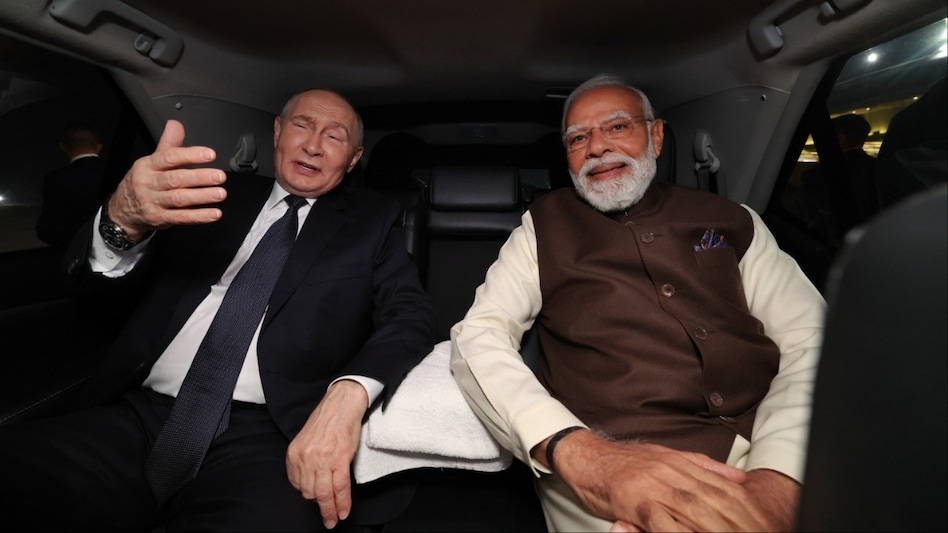
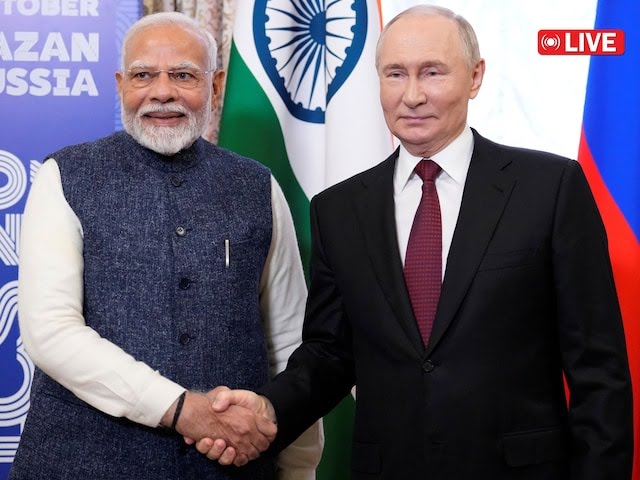
Under Takaichi’s leadership, Japan has cast itself as a stabilizing power that helps sustain the Quad’s momentum.(AP Photo)
Takaichi, 64, made history in October when she was elected Japan’s first female leader, a milestone widely hailed across the country and abroad. Yet her rise to the highest political office has also placed her at the center of debates she once observed from the sidelines. Now, with the Kyushu Grand Sumo Tournament concluding this Sunday, she must decide whether she will step into the ring to present the Prime Minister’s Cup to the tournament champion, following the tradition observed by many of her male predecessors.
A Tradition That Excludes Women
Sumo, Japan’s beloved national sport, traces its roots to ancient Shinto rituals. Its rules and practices preserve a worldview from eras long past—some poetic, others controversial. Perhaps the most contentious of these customs is the ban that prohibits women from stepping into the dohyo.
The Japan Sumo Association (JSA), the sport’s governing body, maintains that the ring is sacred, and that female presence—based on old religious interpretations—would violate ritual purity. For decades, this rule has stood in defiance of widespread domestic and international criticism.
The restrictions have had serious repercussions. In 2018, a high-profile incident made global headlines when two women—a nurse and a local official—ran into the sumo ring to perform life-saving CPR on a collapsed mayor. A JSA referee repeatedly urged them to step off the ring, citing the ban, even as they tried to save the man’s life. The incident triggered public outrage and renewed questioning of the policy’s relevance in modern Japan.
Yet despite the backlash, the rule remains firmly intact. Even as Japan has attempted to portray itself as a modern, open society, the dohyo continues to represent a stronghold of male-only tradition.
The Takaichi Paradox
Sanae Takaichi’s rise as prime minister has been widely regarded as a redefining moment for Japanese politics. But her views do not neatly align with the feminist victory many would like her leadership to represent. A staunch conservative, Takaichi has grounded her political identity in support for traditional gender roles, a strong national defense, and a paternalistic social order.
Her conservative base sees her not as an agent of feminist change, but as a protector of Japan’s cultural identity. Takaichi herself has often emphasized the importance of preserving traditions, even those viewed by critics as archaic.
This makes her impending decision particularly complex.
If she chooses to enter the ring to award the Prime Minister’s Cup, she would not only break a centuries-old gender taboo but also directly challenge the JSA’s authority and cultural doctrine. Such a move would be celebrated by progressives in Japan and abroad, but it could alienate traditionalists—including some in her own party.
On the other hand, if she declines to enter the ring and delegates the duty to a male representative, she risks criticism for reinforcing outdated gender barriers at a moment when Japan is under global scrutiny for its gender equality gaps. Her detractors would likely accuse her of failing to use her historic position to drive social progress.
This dilemma places Takaichi in a paradox uniquely shaped by her identity: a groundbreaking female leader who has risen through a system that remains structurally resistant to gender parity.
Japan’s Global Image at Stake
Takaichi’s decision arrives at a time when Japan is attempting to rebrand itself on the world stage. Under her leadership, Japan has positioned itself as a “steadying force” within the Quad—a strategic grouping that includes the United States, India, and Australia. The Quad looks to Japan as a pillar of stability in the Indo-Pacific, especially amid rising geopolitical tensions.
But while Japan champions modern partnerships abroad, its domestic gender norms often tell a different story.
Japan consistently ranks low among developed nations on gender parity. In the World Economic Forum’s Global Gender Gap Index, Japan frequently falls near the bottom of the list among OECD nations, particularly in political empowerment and economic participation. The appointment of a female prime minister was seen globally as a step toward progress—but symbolism alone cannot remedy deep-rooted inequalities.
For many observers, the sumo dilemma serves as a microcosm of Japan’s broader struggle to reconcile tradition with modernity. Takaichi’s decision will likely be interpreted as a signal—fair or not—of where she intends to steer Japan on gender issues.
The Sumo Association Stands Firm
Despite the attention, the Japan Sumo Association appears steadfast in its position. There has been no indication that the organization will revise its rules or create an exception for the prime minister. In previous controversies, the JSA apologized for the “inconvenience” caused by the ban but insisted that the restriction must stand to protect the sanctity of the ring.
The association’s historical rigidity hints at the challenge Takaichi faces. Even if she wished to break the barrier, she would likely encounter resistance from a body that has historically resisted outside pressure—including pressure from elected officials.
What Happens Next?
The Kyushu Grand Sumo Tournament concludes Sunday, creating a moment of national anticipation. Traditionally, the prime minister enters the ring barefoot, standing with the champion as cameras capture the time-honored ceremonial exchange. For decades, it has been a predictable ritual.
This year, all eyes will be on whether the country’s first female prime minister participates—or stands back.
For Takaichi, this choice is not simply about a ceremony. It is about political identity, cultural inheritance, and the expectations thrust upon her as Japan’s first woman to hold the office. Whether she steps onto the dohyo or not, the consequences will echo far beyond the sumo stadium.
Japan, and the world, are watching.
Discover more from AMERICA NEWS WORLD
Subscribe to get the latest posts sent to your email.

























Leave a Reply