
By_shalini oraon

Hardik Pandya’s Emphatic Return: Redefining the ‘Biggest USP’ for Team India
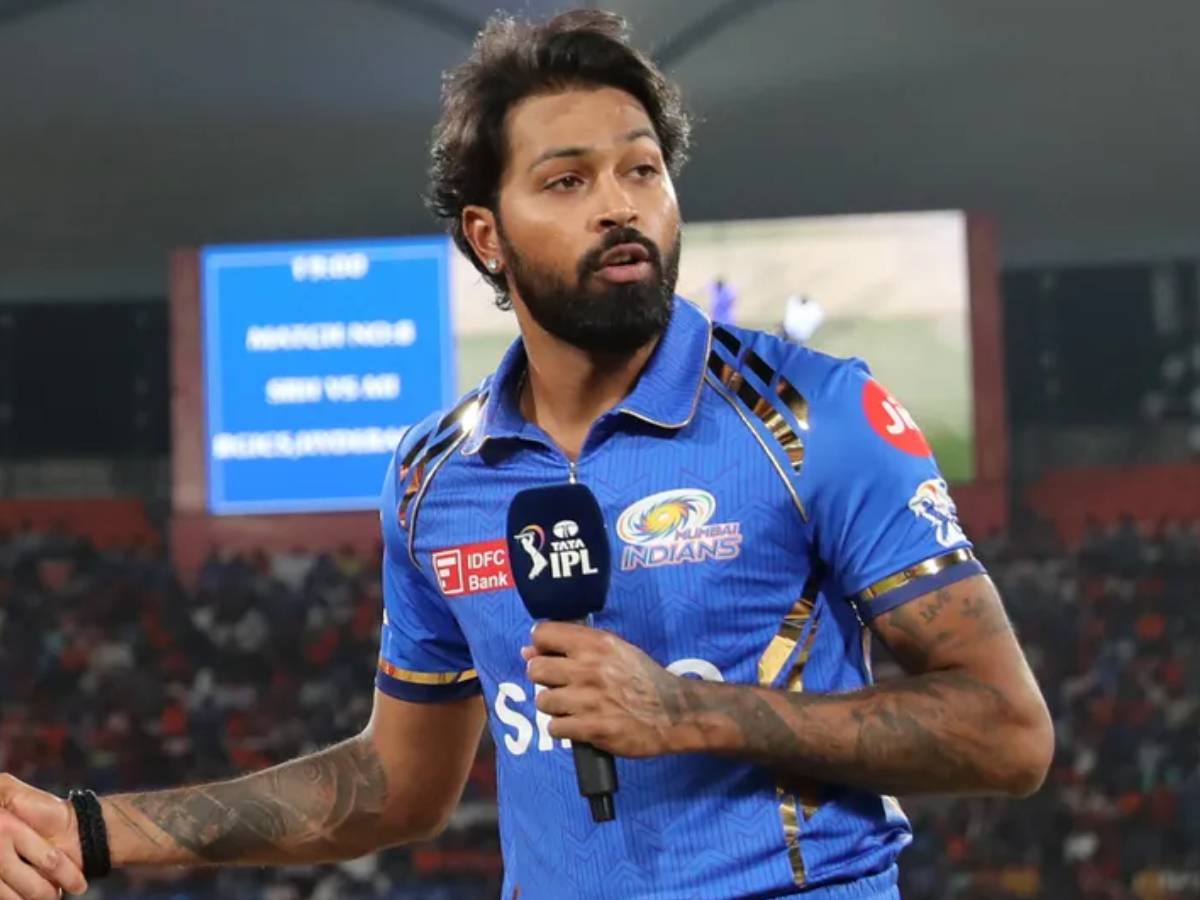
In the high-stakes theatre of modern cricket, where narratives can shift with a single delivery, Hardik Pandya’s blockbuster return to the Indian team for the T20 World Cup 2024 wasn’t just a comeback—it was a statement. After a prolonged absence due to injury, his reintegration was seamless, impactful, and underscored by a powerful personal philosophy. Following a match-winning performance, when asked about his role and ambitions, Pandya cut through the usual clichés of personal milestones with a profound declaration: “It’s not about what I want; it’s about what the team needs.” This simple sentence isn’t just a soundbite; it encapsulates the evolved mindset of a player who now identifies his “biggest USP” not as power-hitting or express pace, but as selfless adaptability.
The Context of the Comeback
Pandya’s journey back to the blue jersey was arduous. A debilitating ankle injury during the 2023 ODI World Cup sidelined him at his peak, forcing him to miss critical series and even relinquish the Mumbai Indians captaincy in the IPL 2024. Questions swirled: Could he bowl his full quota of overs? Would he regain his explosive batting touch? Was his body capable of handling the rigors of international cricket? His return in the World Cup was thus under a microscope. Yet, from his very first game, Pandya showcased a matured, team-first approach. Whether it was bowling crucial overs in the powerplay and death, building or finishing an innings with the bat, or being a livewire on the field, he was the quintessential multi-utility asset.
Decoding the “Biggest USP”: The Chameleon in Blue
Traditionally, Hardik Pandya’s USP was viewed as his rare, dual-skilled ability to be a pace-bowling all-rounder—a commodity as precious as gold in Indian cricket. But his recent statement refines that definition. His true value, he now asserts, is his mental flexibility and situational intelligence.
1. The Relinquishment of Ego: “It’s not about what I want…” signifies a critical shedding of personal ambition for the collective goal. In past phases, debates often centered on his ideal batting position (primarily as a finisher) or his specific bowling role. Now, he presents himself as a blank slate for the team management. Need him to bat at No. 5 to stabilize a collapse? He’ll do it. Need him to come in at No. 7 with 4 overs left and launch? He’s ready. Need 2 overs of cutters in the powerplay? Or 2 overs at the death? He offers both. This ego-less availability is liberating for a captain and coach, allowing for dynamic, fluid strategies.
2. The Tactical Swiss Army Knife: In a format as volatile as T20, rigidity is a weakness. Pandya’s adaptability makes him a tactical Swiss Army knife. He allows India to play different combinations—be it fitting an extra batter or an extra bowler—because he credibly covers two roles in one. His presence grants the famous “balance” that pundits perpetually seek, but it’s a balance rooted in dynamic function, not just a static team sheet. He is the buffer that absorbs pressure and provides optionality.
3. Leadership by Deed, Not Just Title: While not the captain in the World Cup, Pandya’s approach is inherently leadership-oriented. By publicly prioritizing team needs, he sets a cultural example for the dressing room, especially for younger players. It’s a quiet, powerful form of leadership that strengthens the team’s core philosophy. His experience of leading in the IPL, through both triumph and turbulence, has evidently crystallized this understanding of team dynamics over individual glory.
The On-Field Manifestation: More Than Just Numbers
This philosophy has translated unmistakably on the field. In the T20 World Cup, his performances were defined by their context-aware value:
· With the Ball: He has taken the new ball, used his height to generate bounce and seam movement, and also closed out innings with clever variations. His economy rate, often under 7 in crucial phases, has been as valuable as his wickets.
· With the Bat: He has shown a new dimension of calculated aggression. Instead of indiscriminate hitting, his innings have been marked by smart shot selection, rotating strike early, and exploding only when the situation demands it. The ability to play the anchor-accelerator role as seamlessly as the pure finisher role is a direct result of his team-needs-first mindset.
· In the Field: His athleticism and sharp throwing arm remain assets, but his real contribution is his game awareness—being at the right place for crucial run-outs or catches, often shifting positions based on the batter’s tendency.
The Larger Impact on Indian Cricket
Pandya’s evolution and emphatic return come at a pivotal time for Indian cricket. The team is transitioning from a generation of legendary stalwarts to a new core. In this phase, having a senior, multi-skilled player who embodies selflessness is invaluable. He bridges the gap between the old guard’s wisdom and the new guard’s fearlessness.
Furthermore, he solves a historic puzzle for India. The search for a reliable pace-bowling all-rounder has been a decades-long quest. In Pandya 2.0—the adaptable, team-centric version—India hasn’t just found a player; they’ve found a philosophical keystone for their white-ball structure. He makes the team more than the sum of its parts.
Conclusion: The New Paradigm of Value
Hardik Pandya’s blockbuster return is defined not by the fanfare that greeted it, but by the substance he has brought. By stating that his biggest USP is his willingness to subjugate his desires to the team’s requirements, he has redefined what makes a modern cricketer truly indispensable. It’s a shift from being a star player to a team pillar. In an age of personalized brand-building and statistical milestones, Pandya’s creed is refreshingly classic yet strategically modern. He is the embodiment of the ideal team player: fiercely competitive, supremely skilled, but ultimately governed by the single, simple question, “What does the team need right now?” For India, as they navigate the pressures of global tournaments, having that answer walking out onto the field in the form of Hardik Pandya is their biggest USP of all.
Discover more from AMERICA NEWS WORLD
Subscribe to get the latest posts sent to your email.



Leave a Reply