
By_shalini oraon

Turbulence in the Skies: A Deep Dive into IndiGo’s Operational Cut and the 5 Key Updates on Mass Flight Cancellations
India’s aviation sector, a critical engine for the nation’s economic growth, has hit severe turbulence. The Directorate General of Civil Aviation (DGCA), India’s aviation regulator, has directed the country’s largest carrier, IndiGo, to reduce its operations by 10% until the end of the summer schedule in late October. This unprecedented mandate comes in response to a spate of widespread and last-minute flight cancellations that have left thousands of passengers stranded, frustrated, and questioning the reliability of the airline they have trusted for years. This is not merely a scheduling glitch; it is a symptom of deeper systemic issues. Here are the five key updates essential to understanding this evolving crisis.
1. The Root Cause: A “Supply Chain Disruption” in Pilots
The immediate trigger for the cancellations is being termed a “supply chain” issue, but of a unique kind—a shortage of available pilots. Reports indicate that a significant number of IndiGo’s Airbus A320neo aircraft, the workhorse of its fleet, have been grounded due to a combination of Pratt & Whitney (P&W) engine issues and mandatory regulatory inspections. While aircraft on the ground is a problem, the bigger issue is crew unavailability.
IndiGo operates on a highly optimized, point-to-point network model where crew and aircraft utilization is maximized. With specific aircraft types grounded, the airline’s complex crew scheduling system, which is aircraft-type specific, has been thrown into disarray. Pilots trained and certified to fly the A320neo cannot simply switch to an ATR turboprop or be reassigned without violating strict Flight Duty Time Limitations (FDTL). This mismatch has created an artificial but critical pilot shortage for specific routes, forcing the airline to cancel flights at short notice when it cannot roster a qualified crew. The DGCA’s investigation reportedly found this crew unavailability to be the primary culprit behind the chaotic cancellations.
2. The Regulatory Hammer: DGCA’s 10% Mandate and Its Implications
The DGCA’s order is a decisive and rare intervention. By mandating a 10% reduction in daily flights (reportedly from over 2,000 to around 1,800), the regulator is forcing IndiGo to “stabilize” its operations. This is not a suggestion but a directive with teeth, intended to immediately alleviate pressure on the airline’s strained crew scheduling system.
The implications are twofold. Positively, it should bring predictability. Passengers on confirmed flights can have greater confidence their aircraft will depart. It allows IndiGo to rebuild slack into its system to absorb minor disruptions. Negatively, it reduces capacity in the peak summer and festive travel season, potentially leading to higher airfares across the industry as supply tightens. For IndiGo, it means a direct hit on revenue and market share during a lucrative period, a costly penalty for operational instability. The mandate will remain until at least October 28, 2024, coinciding with the end of the current flight schedule.
3. Passenger Fallout: Stranded, Angry, and Seeking Redress
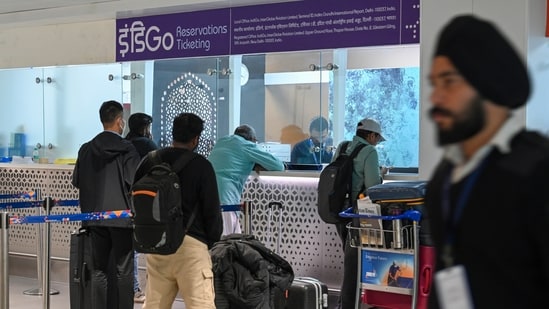
The human cost of this operational meltdown is immense. Social media is flooded with harrowing accounts: families missing weddings, professionals failing to attend critical meetings, and passengers sleeping on airport floors after being informed of cancellations just hours before departure. The frustration is compounded by perceived inadequate communication and support from the airline’s customer service, which has been overwhelmed.
While IndiGo is offering the mandatory alternatives (full refund, rescheduling, or re-routing on another flight) as per DGCA norms, the reality on the ground has been chaotic. With most flights already operating at high load factors, finding immediate alternative seats is difficult. The DGCA has explicitly warned the airline to ensure proper facilitation—food, accommodation, and timely communication—for affected passengers, and has stated it is monitoring compliance closely. The episode has severely dented IndiGo’s brand equity, built over years on the promise of affordable and reliable punctuality.
4. The Larger Context: Fleet Troubles and Industry-Wide Strain
IndiGo’s current crisis cannot be viewed in isolation. It is layered atop two pre-existing challenges:
· The P&W Engine Crisis: Hundreds of Airbus A320neo family aircraft globally, including a substantial portion of IndiGo’s fleet, are facing mandatory accelerated inspections and shop visits for powder metal contamination in Pratt & Whitney engines. This has led to prolonged grounding of aircraft, a problem expected to peak in early 2024 and continue for years. IndiGo has been proactively sourcing spare engines and leasing aircraft, but the sheer scale of the issue is daunting.
· Industry-Wide Capacity Crunch: The Indian aviation market is booming, but supply is struggling to keep up. Go First’s collapse in 2023 removed a significant number of flights overnight. While Air India is expanding, and new entrants like Akasa are growing, they cannot fill the gap immediately. This has placed immense pressure on IndiGo, which commands over 60% of the domestic market, to carry an even larger share of passenger traffic with a constrained fleet.
5. The Road Ahead: Short-Term Fixes and Strategic Questions
IndiGo’s response will be critical. In the short term, it must execute the 10% cut strategically, likely on thinner routes or at off-peak times, to minimize passenger impact. It is aggressively pursuing wet-leases (aircraft rented with crew) and accelerating the induction of new aircraft from its record 500-plane order. Improving transparency with passengers about potential disruptions will be key to rebuilding trust.
However, long-term strategic questions loom. This episode exposes the vulnerability of an ultra-lean operating model with minimal redundancy when faced with external shocks. The airline may need to reconsider its crew planning and training cycles to build more flexibility. Furthermore, the dependence on a single engine manufacturer (P&W for its neos) has proven risky, a factor likely influencing future procurement decisions.
Conclusion: A Watershed Moment
The DGCA’s 10% order on IndiGo is a watershed moment in Indian aviation regulation. It signals that growth at all costs, if it compromises operational integrity and passenger rights, will no longer be tolerated. For passengers, the coming months will be a test of whether enforced discipline leads to greater reliability. For IndiGo, it is a stern lesson that scale and efficiency are meaningless without stability. As the skies over India grow busier, the balance between aggressive expansion and resilient operations has never been more critical. The journey to restore normalcy will be a cautious climb, not a swift takeoff.
Discover more from AMERICA NEWS WORLD
Subscribe to get the latest posts sent to your email.



























Leave a Reply