

By Manisha Sahu | America News World | November 27, 2025
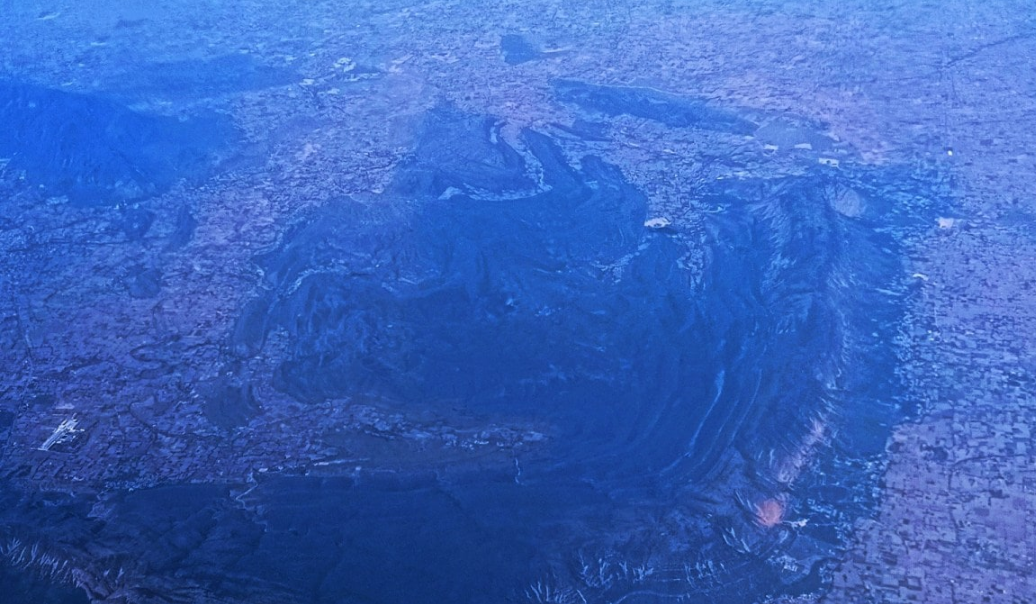
The Aravalli Hills, one of the world’s oldest fold mountain systems and a crucial ecological barrier for northern India, faces an unprecedented environmental rollback. Despite repeated warnings from scientific bodies, including the Forest Survey of India (FSI), the Union Government has adopted a new definition of “Aravalli Hills” that effectively removes environmental protection from nearly 90% of the range.

The Aravalli range stretches from Delhi in the north to Gujarat in the south, passing through the states of Haryana and Rajasthan.
The Supreme Court, on November 20, accepted recommendations submitted by an expert panel set up by the Union Environment Ministry. Under the new criteria, only landforms rising 100 metres or more above the local relief—along with adjoining slopes and contiguous land—will qualify as “Aravalli Hills.” While the move is being presented as a step toward stricter mining regulation, environmental scientists and activists argue that the definition drastically shrinks the protected zone, opening vast stretches of ecologically fragile land to mining, construction, and real estate development.
A Landmark Decision — or a Looming Environmental Crisis?
The Aravalli range stretches from Delhi in the north to Gujarat in the south, cutting through Haryana and Rajasthan. While the iconic ridge visible in cities like Gurugram and Delhi rises sharply, large portions of the range, especially in Haryana and parts of Rajasthan, consist of rolling, low-elevation hills and undulating rocky terrain.
For decades, these lower hill formations have been recognised as the region’s first line of defense against sandstorms, desertification, and dust flowing eastward from the Thar Desert. The FSI had highlighted these protective features repeatedly, most recently in its assessments submitted during the panel proceedings.
However, by limiting the definition to landforms with a minimum 100-metre elevation, the bulk of these low, ecologically sensitive ridge systems will no longer be treated as hills. They will therefore fall outside traditional Aravalli protection frameworks used by courts and state governments to restrict quarrying and construction.
Environment Ministry Secretary Leena Nandan stated that the Supreme Court “appreciated the panel’s recommendations for bringing clarity and uniformity” to the classification of Aravalli Hills. But omitted from the panel’s submission—and from the courtroom discussion—was the implication that redefining the range would disqualify most of it from protection.
Forest Survey’s Red Flags Ignored
According to officials aware of the Forest Survey of India’s input, the FSI explicitly warned the panel that low-elevation hill formations are ecologically indispensable. Even when not prominent geological structures, these rocky outcrops act as:
– Natural windbreaks that reduce dust storms entering the National Capital Region (NCR)
– Groundwater recharge zones, especially in Haryana’s semi-arid districts
– Biodiversity corridors supporting leopards, hyenas, and hundreds of plant species
– Flood-mitigation buffers during seasonal rainfall
The FSI cautioned that excluding these areas from the Aravalli classification would accelerate land degradation, urban heat-island effects, groundwater depletion, and worsening air pollution—especially in Delhi-NCR, where winter air quality is already among the world’s worst.
Despite these warnings, the panel focused on geomorphological criteria rather than ecological functionality. Its decision has left scientists baffled.
“In geomorphology, classification thresholds can be useful. But environmental protection isn’t a geology exam,” a senior FSI official said on condition of anonymity. “The question should be: what does the landscape do for the region’s ecology? The low Aravalli ridges are priceless. Removing them from protection is like removing the immune system from the body.”
More Than 90% May Lose Protection
Preliminary assessments by environmental groups suggest that under the new 100-metre threshold, between 85% and 92% of the Aravalli range in Haryana would not meet the definition of a “hill.” Rajasthan too would lose extensive stretches, especially in the eastern districts.
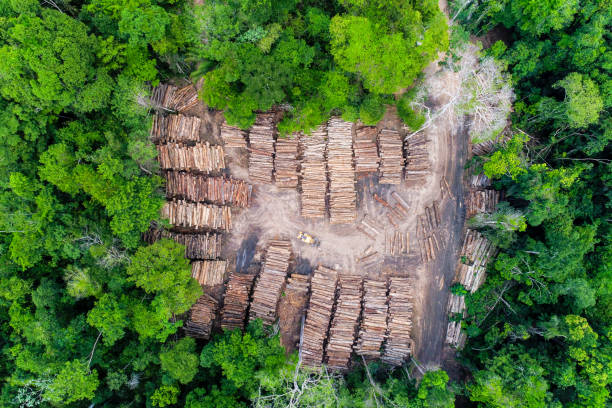
That means mining leases could potentially return, halted construction projects may revive, and land reclassification for real estate development may accelerate. Haryana, in particular, has long sought clearer guidelines for Aravalli identification, as courts have repeatedly blocked construction in ecologically sensitive zones.
The new definition may therefore dramatically ease regulatory restrictions.
Environmental lawyer Ritwick Dutta says the implications are alarming:
“Once land is declared non-Aravalli, it ceases to be governed by the protections created by decades of judicial orders. Mining companies and developers know exactly what that means.”
Why the Aravallis Matter: A Climate-Era Shield
The Aravallis aren’t merely ancient rocks; they are climatic stabilizers for millions. Their functions include:
1. Blocking Desert Expansion
The range acts as a natural barrier preventing the Thar Desert from shifting eastward. Weakening this protection could lead to increased desertification across Haryana and western Uttar Pradesh.
2. Air Pollution Control
Dust from the desert travels unhindered when the low ridges are removed or mined. Environmental experts already attribute up to 30% of winter PM10 levels in Delhi to regional dust flow.
3. Groundwater Recharge
Rocky fissures and natural depressions help water percolate underground. Regions like Gurugram, Faridabad, and Alwar depend heavily on these recharge points.
4. Biodiversity Protection
From Aravalli leopards to endangered birds like the Indian vulture, the ecosystem is delicately balanced and easily disrupted.
With climate change intensifying drought cycles and dust storms growing more frequent, the importance of preserving every inch of the Aravalli landscape has only increased.
Government’s Stand: “Clarity Was Needed”
The government argues that earlier definitions of the Aravalli were vague, leading to inconsistent court orders and administrative confusion. By introducing a “clear geological parameter,” the panel believes that enforcement will become easier.
A senior Environment Ministry official stated:
“Identification is the first step toward regulation. The new definition aims to remove ambiguity and ensure that genuine hill formations are protected.”
But critics say the clarity comes at the cost of environmental integrity.
Activists Call for Review, States Plan Next Steps
Environmental groups are preparing legal challenges and public campaigns urging the Supreme Court to re-examine the ecological consequences of the new definition.
Several state officials also indicated that they are studying whether separate state-level protections can be introduced to safeguard vulnerable Aravalli areas that now fall outside the new criteria.
Meanwhile, mining and real estate interests have begun analysing areas where restrictions may be lifted.
A Decision with Far-Reaching Impact
The redefinition of the Aravalli Hills could alter the ecological trajectory of northern India. While the move promises administrative clarity, experts fear it may open the door to irreversible environmental damage.
As Delhi and its surrounding states struggle with toxic air, shrinking green cover, and erratic weather, the shrinking of Aravalli protections may become one of the most consequential environmental decisions of this decade.
The debate is far from over—and the stakes could not be higher.
Discover more from AMERICA NEWS WORLD
Subscribe to get the latest posts sent to your email.














Leave a Reply