

By Suraj Karowa and Jessica Bradley, ANW Health Correspondent London, 24 December 2025 –

This whole process is called the “satiety cascade”.
As families across the UK gather for turkey, trimmings and towering puddings, the temptation to overindulge is irresistible.
But beyond the groaning plates and festive cheer, what does a massive holiday meal really do to your brain? Scientists say it’s a cocktail of hormones, blood sugar spikes and evolutionary quirks that can leave you foggy-headed – yet remarkably resilient.
In the glow of fairy lights, modesty often takes a backseat. A typical Christmas lunch clocks in at over 4,000 calories, packed with carbs, fats and sugars.
While a balanced diet fuels memory, focus and mood year-round, this one-off extravaganza triggers an immediate cascade of changes in the body and mind.
“It’s like hitting the brain’s reset button – temporarily,” says Dr. Tony Goldstone, a consultant endocrinologist at Imperial College London.

Eating a little every now and then will not have a big effect on our metabolism, research suggests.
The process kicks off with the “satiety cascade,” a symphony of signals from the gut to the brain.
As you devour roast potatoes and mince pies, hormones like cholecystokinin and GLP-1 flood your system, alerting the pancreas to release insulin.
This curbs blood sugar spikes and broadcasts “full” messages to the hypothalamus, the brain’s appetite control centre.
But it’s not seamless. These signals arrive in waves – some quick from the stomach, others slower from the intestines – creating a lag that can feel like mental mush.
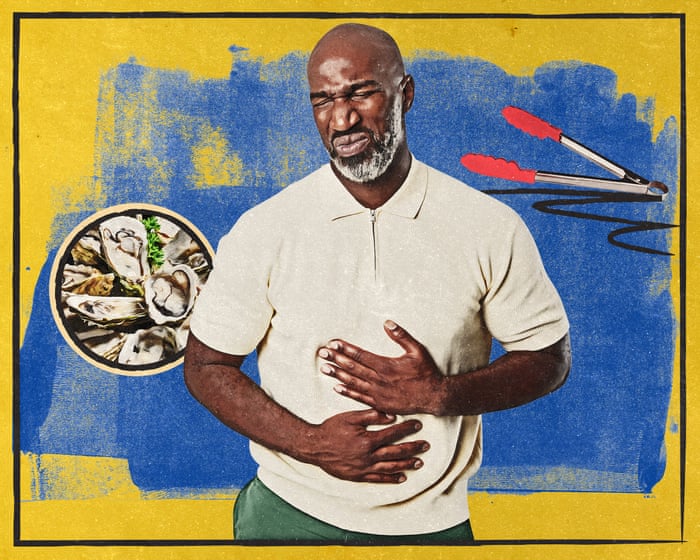
Enter the infamous “food coma,” or postprandial somnolence. That drowsy slump on the sofa? It’s not, as folklore suggests, blood abandoning your brain for your belly.
Studies debunk this myth: brain blood flow actually holds steady or increases slightly after eating.

When we’re hungry, lots of things like mood can affect how much we end up eating.
Instead, blame the hormonal brew. “We suspect gut peptides like PYY and GLP-1 dial up sleep-promoting neurons in the brainstem,” explains Dr. Aaron Hengist, a researcher at the US National Institutes of Health.
Yet, the science is fuzzy. “It’s a cocktail effect – we don’t know which ingredient knocks you out,” he adds. More research is needed, but one thing’s clear: it’s evolution’s way of saying, “Rest and digest.”
Is this indulgence harmless? For most, yes – at least short-term. Hengist’s 2020 study put 14 hardy volunteers through a pizza gauntlet.
In one round, they ate until comfortably full; in another, they stuffed down double the slices until bursting.
Astonishingly, blood sugar and fat levels barely budged higher than after a modest meal.
“The body ramps up insulin and gut hormones like a well-oiled machine,” Hengist says. Despite the caloric bomb, metabolism adapted, averting chaos. “One blowout won’t derail you,” he reassures.

Prolonged periods of eating, especially foods high in fat and sugar, may not be good for the brain.
Caveat: his subjects were fit young men. Women, older adults or those with obesity might fare differently, pending further trials.
But context matters. A single feast is one thing; prolonged gorging is another. The 2021 “Tailgate Study” mimicked American pre-game bashes, feeding 18 overweight men 5,000+ calories of burgers, fries, cake and booze over five hours.
Liver scans showed fat buildup in most, a red flag for non-alcoholic fatty liver disease (NAFLD).
Over time, NAFLD starves the brain of oxygen and sparks inflammation, hiking risks for dementia and cognitive decline.
“Hours of passive overeating overwhelms the system,” Hengist warns. “It’s metabolic whiplash.”
Evolution offers clues to our feast-forgiving biology. Humans are wired for famine, not feast.
“Starvation kills fast; excess is a slow burn,” Goldstone notes. When hangry, mood plummets – a state dubbed “hanger” – pushing us toward calorie-dense treats.
Animal studies echo this: rodents’ hunger circuits hush at food’s mere scent, quelling the frenzy.
In us, it’s subconscious. “We eat to escape discomfort,” Goldstone says. Holiday stress amplifies it: isolation or family friction can supercharge cravings.
What you eat flips the script too. Rat studies link chronic high-fat diets to foggy memory and learning woes.
Human data is scarcer, but a 2023 German trial by Dr. Stephanie Kullmann at the University of Tübingen illuminates the peril.
Eighteen lean men added 1,200 ultra-processed calories daily for five days – think doughnuts and crisps atop normal meals.
Brain scans revealed insulin resistance in hunger-regulating regions, blunting responses to food cues and recall tasks.
“The brain shifts first,” Kullmann says. “They looked neurologically like long-term obese folks – reward centres overfiring, hypothalamus haywire.”
A week post-diet, cognitive glitches lingered. Shorter binges? Likely milder, but the message is stark: sugar-fat combos erode gut-brain chatter fast.
For obese individuals, it’s grimmer. Disrupted reward pathways make portions balloon for pleasure’s sake. “Obesity rewires the axis,” Kullmann explains.
Christmas excess could nudge vulnerable brains toward chronic issues like impaired decision-making or mood dips.
So, tuck in guilt-free – mostly. “Savor that dinner; science says it’s fine,” Hengist urges. But cap it there.
Five days of surplus, per Kullmann, risks lasting neural tweaks. Balance with walks, hydration and greens to reboot.
Amid the merriment, remember: your brain’s built for bounty, but thrives on moderation.
As 2025’s holidays wind down, experts like Goldstone advocate mindful feasting. “Food’s joy, not foe – but listen to your body.”
In a year of health reckonings – from Gen Z’s wellness surge to anti-ageing breakthroughs – this reminder fits: even brains need a merry break.
Discover more from AMERICA NEWS WORLD
Subscribe to get the latest posts sent to your email.




























Leave a Reply