
By_shalini oraon

The Boiling Point: Diplomatic Face-Off with India, Angry Protests Spill to Kolkata – 10 Points on Bangladesh’s Unrest
A profound and volatile crisis is gripping Bangladesh, one that has not only shaken the nation’s domestic politics to its core but has also erupted into a full-blown diplomatic confrontation with its largest neighbor, India. The unrest, which began over quotas for government jobs, has evolved into a multifaceted storm exposing deep-seated grievances, geopolitical tensions, and a startling transnational dimension with protests now echoing on the streets of Kolkata. Here are 10 critical points to understand this complex and escalating situation.
1. The Spark: Quotas and a Generational Revolt
The immediate trigger was a June Supreme Court decision that reinstated a 30% quota for “freedom fighters’ descendants” in coveted government jobs. For millions of young Bangladeshis facing an acute employment crisis, this was a final straw. Student-led protesters argued the system was archaic, rife with corruption, and effectively reserved over half of all posts, stifling meritocracy. Their initial demand was simple: a complete, constitutional abolition of the quota system.
2. From Reform to Regime Change: The Demand Escalates
As the government, led by Prime Minister Sheikh Hasina and her Awami League, initially responded with a mix of indifference and suppression, the protests transformed. The core student groups were joined by a wider public, and the chant evolved from “Reform the Quotas” to “Go, Hasina, Go.” The movement became a lightning rod for 15 years of accumulated discontent over rising costs of living, perceived authoritarianism, corruption, and dynastic politics. The quota issue became a potent symbol of a system viewed as unjust and unresponsive.
3. The Iron Fist: Brutal State Crackdown
The state’s response has been harsh and unequivocal. Police and ruling party student wing activists have been accused of coordinated violence. There are widespread reports of live fire, tear gas, rubber bullets, and targeted attacks on university dormitories. Dozens of protesters have been killed, thousands injured, and even more arrested under draconian laws. The internet has been repeatedly throttled to disrupt organization and obscure the true scale of the crackdown from the world. This repression has only fueled public rage and international condemnation.
4. Enter India: The Geopolitical Lightning Rod
As the crisis deepened, a dangerous narrative took hold among sections of the protest movement and the political opposition, particularly the Bangladesh Nationalist Party (BNP). They began accusing India of unequivocally backing the Hasina regime to protect its strategic interests, allegedly at the expense of Bangladeshi democracy. India’s historical support for Hasina, its substantial economic investments, and shared security interests are framed as New Delhi propping up an unpopular leader. “Indian intervention” became a rallying cry.
5. The Kolkata Connection: Protests Spill Across the Border
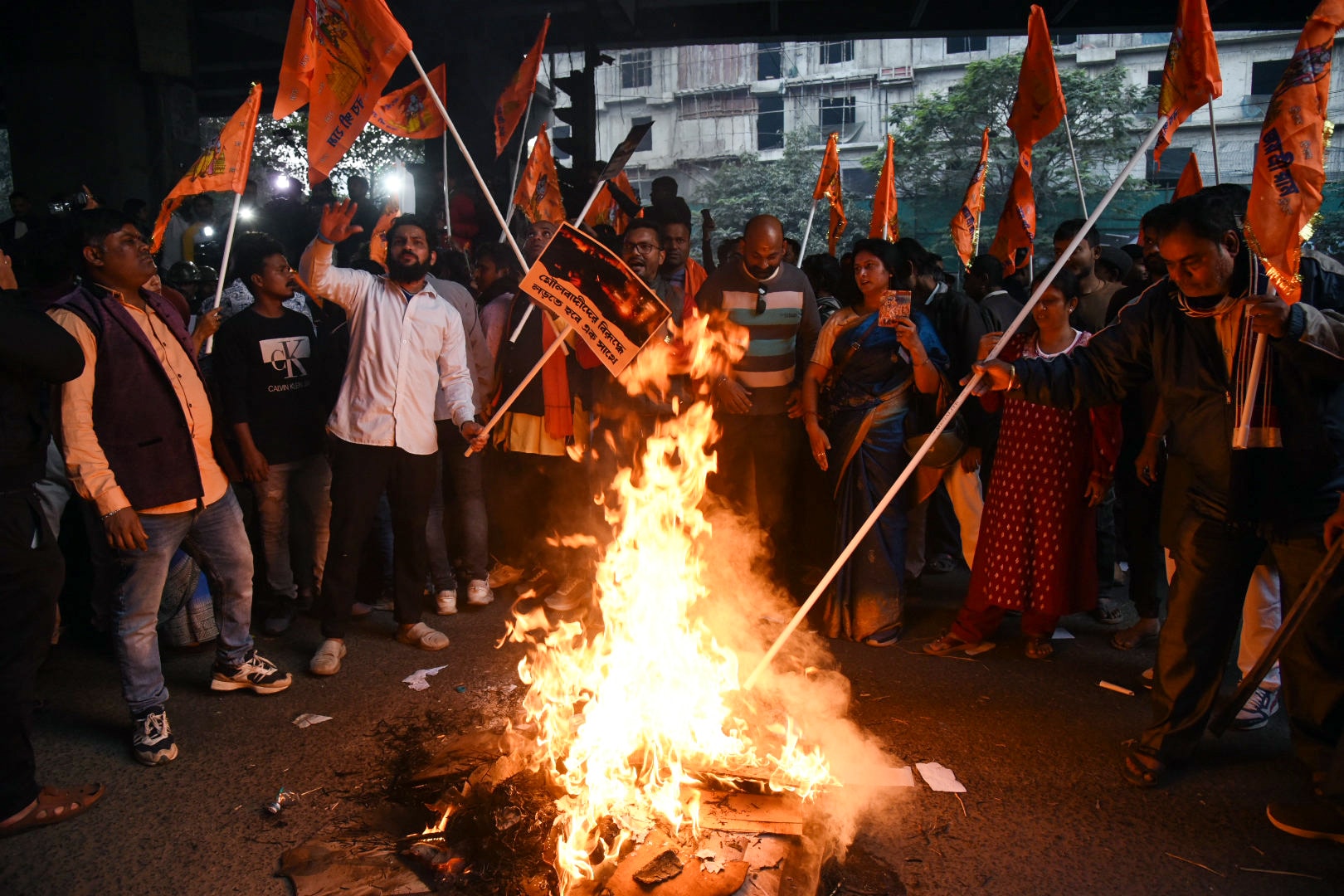
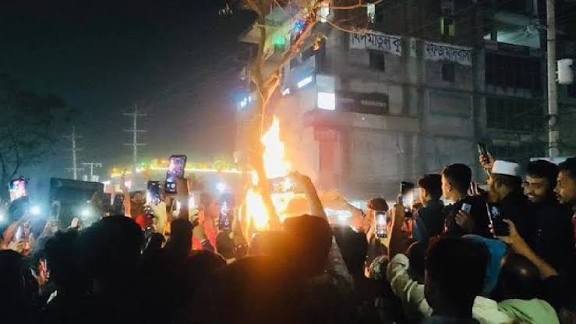
This is where the crisis took an unprecedented diplomatic turn. The large Bengali diaspora in West Bengal, India, particularly in Kolkata, has deep familial and cultural ties to Bangladesh. As videos of the crackdown circulated, solidarity protests erupted in Kolkata. Demonstrators, including students and civil society groups, gathered outside the Bangladesh Deputy High Commission, condemning the Hasina government’s violence. Crucially, these protests were not officially sanctioned by India but were a grassroots expression of shared linguistic and cultural solidarity, a rare case of domestic politics in one nation spilling visibly onto the streets of another.
6. Delhi’s Dilemma: A Strategic Partner in Turmoil
India finds itself in a tight spot. Sheikh Hasina has been a crucial partner, cooperating on counter-terrorism, curbing Northeast Indian insurgent groups, and supporting connectivity projects. A change in Dhaka could potentially open doors for China and Islamist forces, New Delhi’s twin nightmares. However, the scale of the unrest and the anti-India sentiment pose a serious long-term risk. India’s official statements have been cautious, calling for “peace and stability” and a “quick resolution,” but are seen by protesters as tacit support for the status quo, deepening the diplomatic rift.
7. The China Factor: A Shadow in the Background
While India is the immediate focus of ire, China’s role is a silent subplot. Beijing has made massive economic inroads into Bangladesh under Hasina. For India, a friendly government in Dhaka is a buffer against Chinese encirclement. For the protesters and opposition, China represents another external power benefiting from the current regime. The crisis is thus a subtle battleground for influence in South Asia, with both giants nervously watching the outcome.
8. The Opposition’s Gambit: BNP Seeks Relevance
The principal opposition, the BNP, boycotted the last election and has been largely moribund. This youth-led uprising presents a golden opportunity. By aligning with the protestors’ anti-India rhetoric and channeling anger toward Hasina, the BNP and its Islamist allies like Jamaat-e-Islami are attempting to reclaim political centrality. They are framing this not just as a quota issue, but as a fight for national sovereignty against Indian hegemony, a historically resonant theme in Bangladeshi politics.
9. Hasina’s Concession: Too Little, Too Late?
Under immense pressure, Prime Minister Hasina finally announced the abolition of the quota system in early July. However, the move failed to quell the storm. The protest leadership rejected it as an empty gesture after so much bloodshed, and demands for her resignation and guarantees against future repression have only grown. The concession revealed the government’s miscalculation and underscored that the crisis has moved far beyond its original cause.
10. A Nation at a Crossroads: What Next?
Bangladesh stands at a perilous juncture. The paths forward are fraught:
· Continued Crackdown: The regime could double down, using greater force to impose order, but this risks a Syrian-scale civil conflict and complete pariah status.
· Political Dialogue: A genuine, mediated dialogue with protest leaders and the opposition is the safest path, but requires the government to cede significant ground it has been unwilling to yield.
· External Pressure: How India and the West (particularly the US, which has sanctioned officials and called for dialogue) navigate their leverage will be critical. Their actions could tip the scale toward resolution or deeper conflict.
Conclusion: More Than a Neighbor’s Quarrel
The Bangladesh unrest is no longer a domestic issue or a simple bilateral spat.It is a perfect storm where youth frustration, political repression, and geopolitical rivalry have converged. The protests in Kolkata are a stark reminder that in our interconnected world, the lines between domestic and foreign policy are blurred. The outcome will not only determine the future of 170 million Bangladeshis but will also redefine the balance of power in South Asia, testing the limits of India’s regional diplomacy and the resilience of democracy in a strategically vital corner of the world. The boiling point has been reached; the direction of the spill will reshape the region.
Discover more from AMERICA NEWS WORLD
Subscribe to get the latest posts sent to your email.













Leave a Reply