
By_shalini oraon

Delhi AQI Live Updates: Noida, Ghaziabad’s Air Remains ‘Severe’ as AQI Readings Soar Into Hazardous Zone
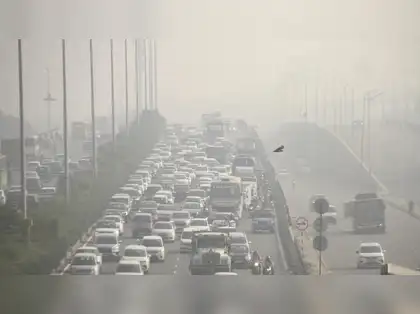
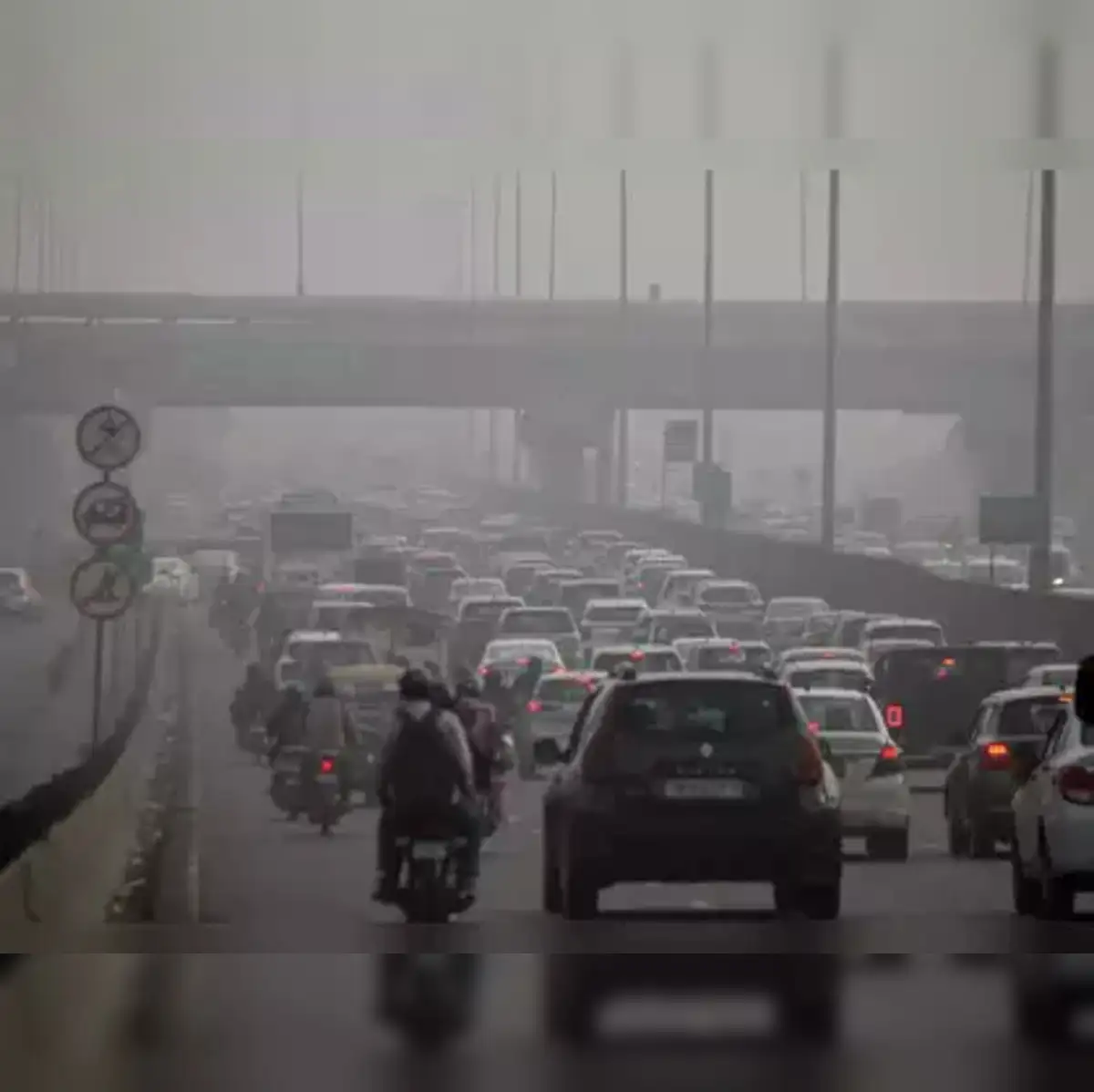
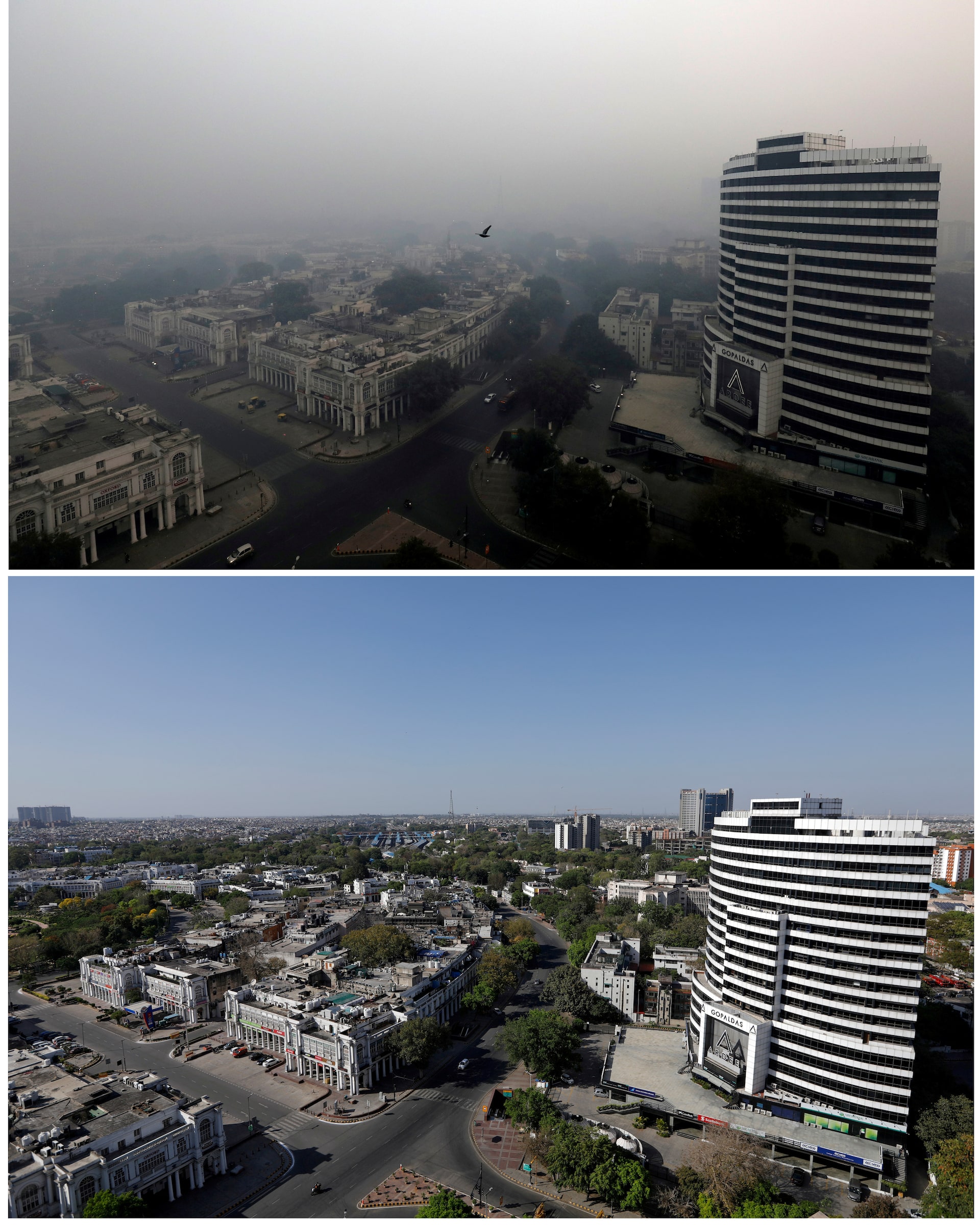
A thick, oppressive grey haze continues to suffocate the National Capital Region (NCR), with air quality indices (AQI) not just dipping but plummeting into the “severe” and “hazardous” categories. As of the latest live readings, the situation in Delhi’s satellite cities—Noida and Ghaziabad—remains critically dangerous, turning the simple act of breathing into a significant health risk.
The Grim Numbers: A Snapshot of the Crisis
Real-time data from the Central Pollution Control Board (CPCB) and independent monitors paint a dire picture. On Monday morning, multiple stations across Noida and Ghaziabad recorded AQI values consistently above 450, with several touching or exceeding the 500 mark—the peak of the “severe” category on the national index, beyond which lies the “severe plus” or hazardous zone. For context:
· Noida’s Sector 62 reported an AQI of 487 (Severe).
· Noida’s Sector 125 hovered around 475 (Severe).
· Ghaziabad’s Indirapuram logged a staggering 498 (Severe).
· Loni, Ghaziabad, one of the perpetual pollution hotspots, breached 500, entering the “severe plus” emergency category.
In Delhi, while conditions are marginally “better” in some areas, the average remains in the “severe” zone (AQI 401-450), with places like Anand Vihar and Jahangirpuri mirroring the crisis in NCR towns.
Anatomy of a Catastrophe: Why the Air is Unbreathable
This is not a sudden disaster but a confluence of perennial and seasonal factors reaching a toxic crescendo.
1. Stubble Burning’s Potent Contribution: The primary seasonal trigger. Despite government measures, farm fires in Punjab and Haryana have persisted at a significant scale. Satellite data shows a steady influx of smoke-laden north-westerly winds, carrying a plume of particulate matter (PM2.5 and PM10) that settles over the NCR’s already polluted air. Current estimates suggest stubble burning contributes between 25% to 35% to Delhi’s PM2.5 concentration, a figure that spikes during peak fire hours.
2. Local Emissions: The Constant Underlying Poison: The transport of agricultural smoke lands on a bed of locally generated pollution that never truly dissipates.
· Vehicular Exhaust: The NCR’s massive fleet of vehicles, including a high number of diesel-run trucks entering the city, remains a primary source of nitrogen oxides and fine particles.
· Construction and Road Dust: Despite bans, rampant construction activity and unpaved roads continue to churn out coarse particulate matter.
· Industrial Pollution: Industries in and around NCR, particularly in Ghaziabad and Faridabad, add their share of toxic emissions.
· Biomass Burning: The onset of cooler weather sees increased use of biomass for heating among vulnerable populations, adding to the local pollution load.
3. Meteorological Trap: A deadly calm has sealed the region’s fate. The wind speed has dropped to near-still conditions, preventing the dispersal of pollutants. A low mixing height—the layer of atmosphere where pollutants can disperse—is acting like a lid on a pot. High humidity is further aiding the formation of secondary aerosols, making the haze denser and more toxic.
GRAP Stage IV: A City in Emergency Mode
With AQI projected to stay in the “severe plus” category for over 48 hours, the Commission for Air Quality Management (CAQM) has invoked Stage IV of the Graded Response Action Plan (GRAP) across the entire NCR. This is the highest emergency level, signifying a public health crisis. The measures include:
· Transport Ban: A strict ban on all diesel-operated Medium and Heavy Goods Vehicles in Delhi, with exceptions only for essential services. Even light commercial vehicles registered outside Delhi are barred.
· Odd-Even for Private Vehicles: The Delhi government has announced the return of the odd-even scheme for private cars, aiming to take about half the city’s vehicles off the road.
· Construction Halt: All public and private construction activities, including linear projects like highways and metro rail, have been suspended indefinitely.
· Educational Shifts: Physical classes in all schools (except for grades 10 and 12 having board exams) have been shifted online. Several universities have also moved to remote learning.
· Work-From-Home Advisory: A strong recommendation for 50% of staff in both private and government offices to work from home.
Human Impact: A Public Health Emergency Unfolds
The “severe” AQI is not an abstract number. It translates to immediate and long-term suffering.
· Hospitals on Alert: Outpatient departments (OPDs) at major hospitals, especially those specializing in pulmonology and cardiology, are reporting a 20-30% surge in patients complaining of respiratory distress, aggravated asthma, chronic obstructive pulmonary disease (COPD) flare-ups, and eye irritation. Doctors warn that exposure to such air is equivalent to smoking multiple cigarettes a day.
· Vulnerable Groups at Extreme Risk: The elderly, young children, pregnant women, and those with pre-existing respiratory or cardiovascular conditions are being advised to stay indoors at all costs. For them, the air outside is a direct threat.
· Daily Life Disrupted: Morning walks, outdoor exercises, and commutes have become health hazards. The pervasive smog reduces visibility, leading to increased risk of road accidents.
A Glimmer of Hope? Forecast and the Long Road Ahead
Meteorological agencies offer a sliver of hope. A western disturbance is expected to approach the western Himalayan region by Wednesday night or Thursday. This could bring very light rain or drizzle and, more importantly, a change in wind direction and a slight increase in wind speed. This meteorological shift is likely to disperse the accumulated pollutants, potentially bringing AQI down to the “very poor” category by the weekend.
However, experts sound a note of caution: this will be temporary relief. The fundamental problem of emissions remains unsolved. The annual crisis underscores the failure of piecemeal, emergency-driven measures. Long-term solutions—a complete transition to clean energy in surrounding states, electrification of transport infrastructure, stringent control on industrial emissions, and sustainable alternatives to stubble burning—remain mired in political, economic, and logistical challenges.
Live Advice: Protecting Yourself in the Smog
Until the winds change, self-protection is paramount:
· Minimize Exposure: Avoid all outdoor activities, especially during early morning and late evening hours.
· Use N95/99 Masks: If stepping out is unavoidable, wear a properly fitted N95, KN95, or FFP2 mask. Cloth masks are ineffective.
· Create Clean Air Zones: Use air purifiers with HEPA filters at home and in offices. Keep windows and doors sealed.
· Stay Hydrated: Drink plenty of water to help your body flush out toxins.
· Listen to Your Body: Seek immediate medical attention for breathlessness, chest tightness, or prolonged coughing.
As Noida and Ghaziabad gasp for breath under a sepia-toned sky, the soaring AQI readings are a stark reminder that the airpocalypse is no longer a seasonal headline but a protracted public health catastrophe. The updates today are severe, the warnings are urgent, and the need for a breath of clean air has never felt more desperate—or more elusive.
Discover more from AMERICA NEWS WORLD
Subscribe to get the latest posts sent to your email.























Leave a Reply