
By Suraj Karowa and Rachel Savage/ANW , Johannesburg
January 28, 2026

More than 100 people killed and hundreds of thousands displaced in South Africa, Mozambique and Zimbabwe
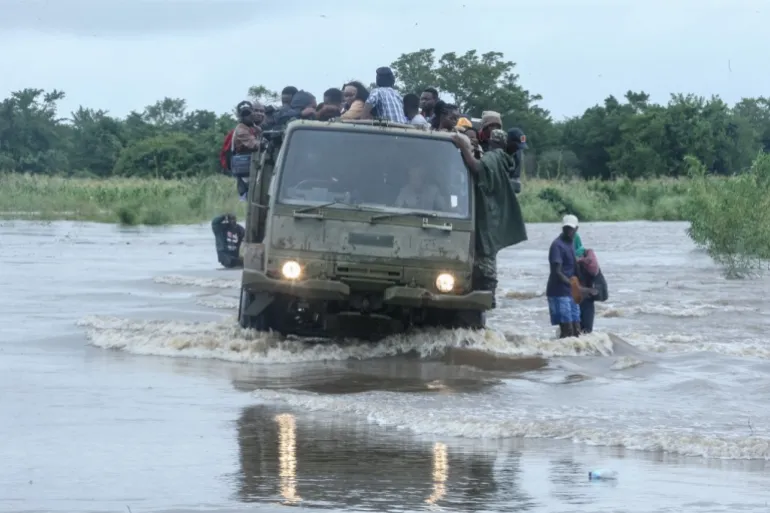
Catastrophic floods have swept through southern Africa, killing more than 100 people and forcing hundreds of thousands from their homes since early this year.
As waters recede slowly, authorities are battling not just hunger and disease but a surge in crocodile attacks, with the reptiles swept into villages by swollen rivers.
Zimbabwe bears the heaviest toll, with over 70 deaths reported amid relentless downpours.
In South Africa, 30 fatalities include evacuations from Kruger National Park, where a torrential deluge turned savanna into swampland.
Mozambique has confirmed 13 deaths, three from crocodile strikes as the Limpopo River burst its banks, flooding provinces like Maputo and Gaza.

A flooded area in Kruger national park, South Africa.
“We urge people to stay away from stagnant waters—crocodiles are everywhere now,” warned Henriques Bongece, Maputo province secretary.
Floodwaters from South Africa have carried the predators into urban fringes, linking rivers with ponds and ditches. In Moamba town, one resident was mauled to death; two more perished in Gaza.
This disaster underscores southern Africa’s volatile weather extremes, fueled by climate change.
The region swings from brutal droughts to cyclones and biblical rains. Mozambique’s floods rival the 2000 tragedy that claimed 700 lives, displacing nearly 400,000 this time.
Rescue helicopters pluck survivors from treetops and rooftops, but waters linger, submerging the N1 highway and vast farmlands.

Flood waters cover the Chibuto-Chaimite road in Gaza province, Mozambique.
In Chibuto, Gaza province, aerial images reveal roads vanished under muddy lakes, huts half-submerged amid leafless trees.
South Africa’s Kruger Park, a global tourism gem, saw hundreds airlifted as lodges flooded.
Environment Minister Willie Aucamp estimates repairs at 700 million rand ($32 million), launching a donor fund for bridges, roads, and wildlife corridors.
Aid groups sound alarms over secondary crises. “Camps lack toilets and waste systems—cholera is inevitable,” says Gaspar Sitefane of WaterAid Mozambique, where 100,000 huddle in makeshift shelters.
Food insecurity looms large: 60,000 hectares of crops ruined, 58,000 livestock drowned.
Funding delays compound the misery, as donor nations cut aid for defense priorities.
Survivors tell harrowing tales. In Manhica district, Maria Santos, 45, clutches her toddler outside a church that sheltered her family.

People who have lost their homes sit outside a church in the Manhica district of Maputo, Mozambique.
“The water rose at night. We grabbed what we could—now our fields are gone, animals dead.”
In Zimbabwe’s Chimanimani, entire villages await relief helicopters, rations stretched thin.
Climate experts link this to a warming atmosphere holding more moisture, intensifying El Niño effects.
“These events are the new normal without global emission cuts,” says Dr. Elena Torres, a WMO hydrologist.
Southern Africa’s 2025 cyclones already battered Malawi and Madagascar; now floods expose infrastructure gaps.
Governments mobilize: South Africa’s army distributes aid; Mozambique’s disaster agency coordinates with the Red Cross.
Yet challenges mount. In Beitbridge, on the Zimbabwe-South Africa border, border posts clog with displaced families.
UNICEF warns of child malnutrition spikes, as schools close and markets empty.International response lags. The UN appeals for $200 million, but pledges trickle.
“We’ve seen cuts from Europe and the US—priorities shifted,” notes Sitefane. Local NGOs fill voids, boating supplies to cut-off hamlets.
As skies clear, the focus turns to recovery. In Kruger, rangers track crocodiles pushed inland, urging vigilance.
“Don’t wade in unknown waters,” park officials broadcast. Rebuilding farms and roads will take months, but resilience shines: communities share stories, plot seed replanting.
This flood cluster—part of a global surge—mirrors Asia’s 2025 deluges in Indonesia and Sri Lanka, where water eclipsed wind as the killer.
From Spain’s 2024 flash floods to Italy’s Storm Boris, extreme rain redefines disasters. Southern Africa braces for more, demanding climate adaptation now.
Discover more from AMERICA NEWS WORLD
Subscribe to get the latest posts sent to your email.




Leave a Reply