
By _shalini oraon

The Shattered Throne: Unpacking India’s Catastrophic 2025 Chess World Cup
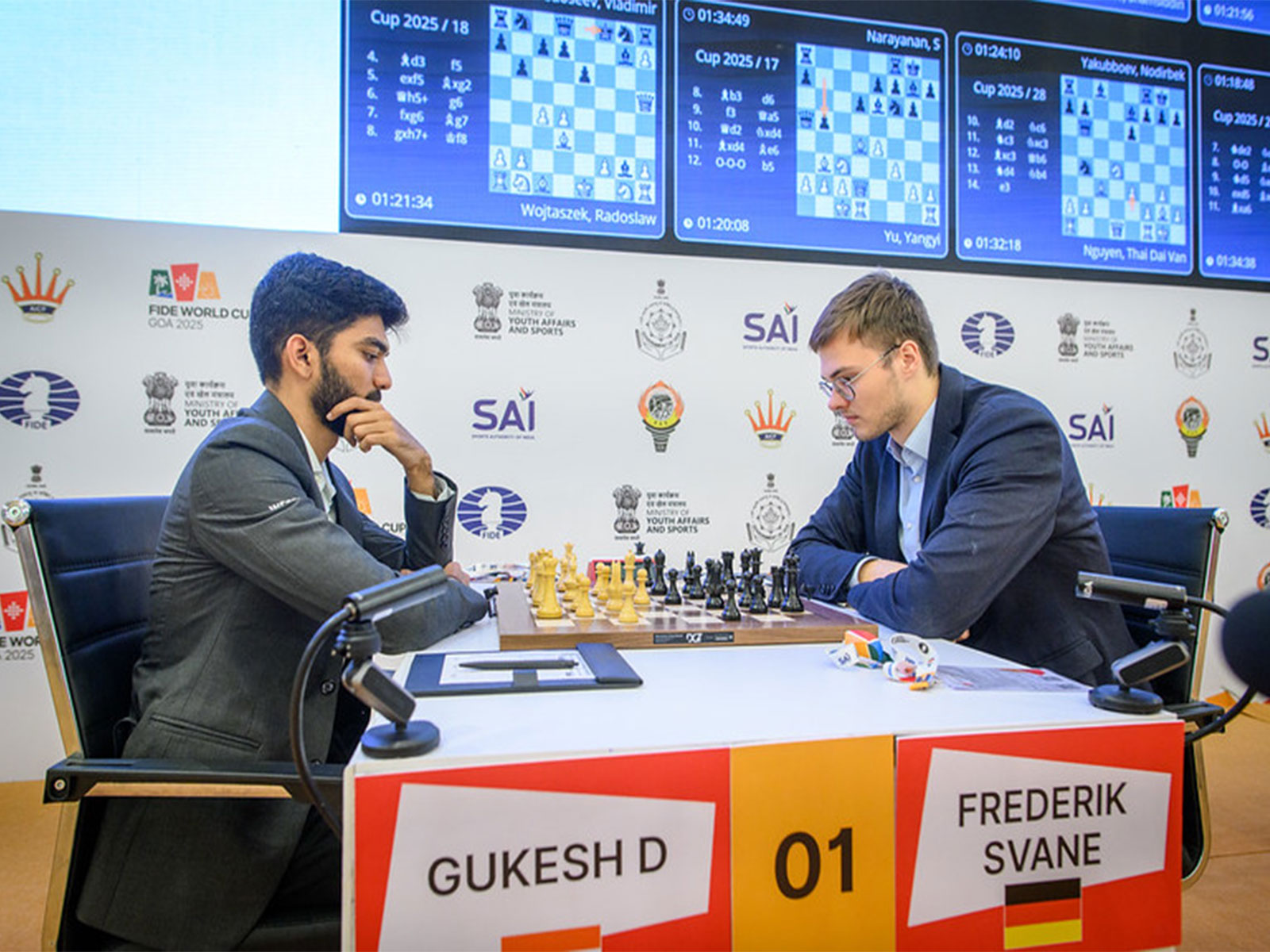
The 2025 FIDE Chess World Cup in Baku was envisioned as a coronation for Indian chess. With a record number of qualifiers, a reigning World Champion in D. Gukesh, and a constellation of elite Grandmasters, the nation anticipated a dominant display, a harvest of qualifying spots for the Candidates, and a reaffirmation of its status as the game’s global superpower. Instead, the tournament unfolded as a profound and collective nightmare—a “total disaster” that has sent shockwaves through the Indian chess ecosystem, prompting urgent introspection about pressure, preparation, and the perils of expectation.
The Scale of the Collapse
The statistics paint a bleak picture. Of India’s formidable contingent, not a single player advanced to the semi-finals. The most devastating blows came early and often:
· The Crown Toppled: World Champion D. Gukesh, the standard-bearer and top seed, fell in the third round to a lower-rated opponent in a stunning upset. The loss was not just a defeat; it was a strategic implosion from a winning position, a uncharacteristic collapse that set a disquieting tone for the entire delegation.
· Veteran Stumbles: The experienced pillars of the team crumbled. Viswanathan Anand, the legendary fifth seed playing with characteristic grace, was eliminated in a tense fourth-round tiebreak. Pentala Harikrishna and Vidit Gujrathi, both top-20 seeds, fell in the early rounds to opponents they were heavily favoured to beat.
· The Next Gen Stifled: The bright hopes of India’s prodigious talent pipeline flickered and dimmed. R Praggnanandhaa, the 2023 finalist, was ousted in a dramatic fifth-round upset. His sister R Vaishali, along with Arjun Erigaisi and Nihal Sarin, all fell before the quarter-finals, their dynamic play neutralized by solid, pragmatic opponents.
· No Women’s Contingent in Latter Stages: In the Women’s World Cup, the story was equally grim. Koneru Humpy and Harika Dronavalli, the experienced stalwarts, were eliminated earlier than projected. The young guns like Vaishali and Divya Deshmukh could not replicate their previous heroics, leaving the latter stages devoid of Indian representation.
The result is an unprecedented shutout. For the first time in recent memory, India, with its depth of talent, will have no players from the open or women’s sections earning spots in the 2026 Candidates Tournament via the World Cup route—a staggering competitive and strategic setback.
Diagnosing the Debacle: A Perfect Storm of Factors
A failure of this magnitude cannot be attributed to mere bad luck. It appears to be a confluence of systemic and psychological factors:
1. The Crushing Weight of Expectation: For the first time, an Indian contingent entered a World Cup not as hopeful challengers, but as favourites. Every move by Gukesh was dissected under the “World Champion” microscope. The “golden generation” of Praggnanandhaa, Erigaisi, and Nihal carried the burden of their own past successes. This pervasive pressure seemed to manifest in uncharacteristic errors, overly conservative play, and a visible lack of the fearless aggression that defined their rises.
2. Strategic Stagnation and Preparation Leaks: There are murmurs within the community about opponents being exceptionally well-prepared for the Indian players. In an era where opening preparation is a high-stakes arms race, suggestions that the Indian repertoire had become predictable or that their novelty pipelines had run dry are damning. Were other federations and top players decoding the “Indian school” of play? The results suggest so.
3. The Format’s Brutal Democracy: The knockout format of the World Cup is a great leveller. It offers no room for a slow start or a single bad day. The pressure of tie-breaks, especially rapid and blitz, is immense and can neutralize deep classical preparation. Several Indian losses occurred in these speed chess phases, hinting at a potential gap in high-pressure, shorter time control training compared to their rivals.
4. The Absence of a Collective Fortress: Unlike nations with strong centralized federations that provide intensive, collective training camps (like Russia or the Soviet legacy nations), Indian players, while supportive, largely operate as individual entrepreneurs with their own teams. In the face of a coordinated “anti-India” strategic approach from the global elite, this individualistic model may have shown its limitations. There was no evident “Team India” tactical bulwark.
5. Psychological Contagion: In a close-knit community, early exits of giants like Gukesh and Anand can have a demoralizing ripple effect. The belief system—that an Indian victory is inevitable—can quickly invert into a crisis of confidence when the icons fall.
The Silver Linings and the Road Ahead
Despite the gloom, declaring the entire system a failure would be myopic. The disaster must be a catalyst for evolution, not despair.
· A Necessary Reality Check: The results brutally debunk any notion of Indian hegemony. Chess remains a fiercely competitive global sport. This humbling can strip away any creeping complacency and rekindle the underdog hunger that fuelled India’s ascent.
· Spotlight on Systemic Gaps: The tournament forces a hard look at the support structure. Calls for more systematic psychological coaching, dedicated rapid/blitz training modules for elite players, and better-protected preparation will grow louder. The role of the federation in facilitating collaborative, closed training sessions may be re-evaluated.
· The Resilience of the Pipeline: The talent pool remains the world’s most enviable. Teenagers like Bharath Subramaniyam and Leon Mendonca showed flashes of brilliance in Baku. The challenge is no longer discovering talent, but systematically transitioning prodigies into consistent, pressure-proof champions.
· Alternative Paths Remain: The World Cup is not the only road to the Candidates. The FIDE Circuit and Grand Swiss tournaments now become arenas of critical importance for Indian players. The focus must immediately shift there.
Conclusion: Not an End, But a Pivot
The 2025 Chess World Cup will be remembered as a painful, defining chapter in Indian chess history—a tournament where the throne room was found empty. It was a disaster not of lacking skill, but of unmet potential under duress. For a nation accustomed to celebrating its chess triumphs, this collective stumble is a jarring but perhaps essential experience.
The true test of India’s chess strength will not be measured by this failure, but by its response. Will it lead to introspection, structural reform, and a renewed, smarter pursuit of excellence? Or will it linger as a traumatic scar? The pieces have been swept from the board in Baku. How India chooses to set them up again will define its next decade in the game. The disaster is complete; the recovery must now begin.
Discover more from AMERICA NEWS WORLD
Subscribe to get the latest posts sent to your email.



















Leave a Reply