
By_shalini oraon

Echoes of Unrest: Unpacking the Dhaka and Chattogram Violence in Bangladesh
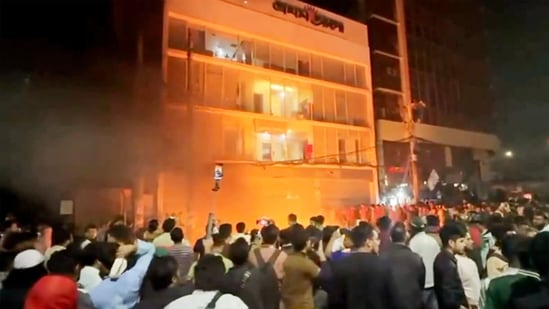
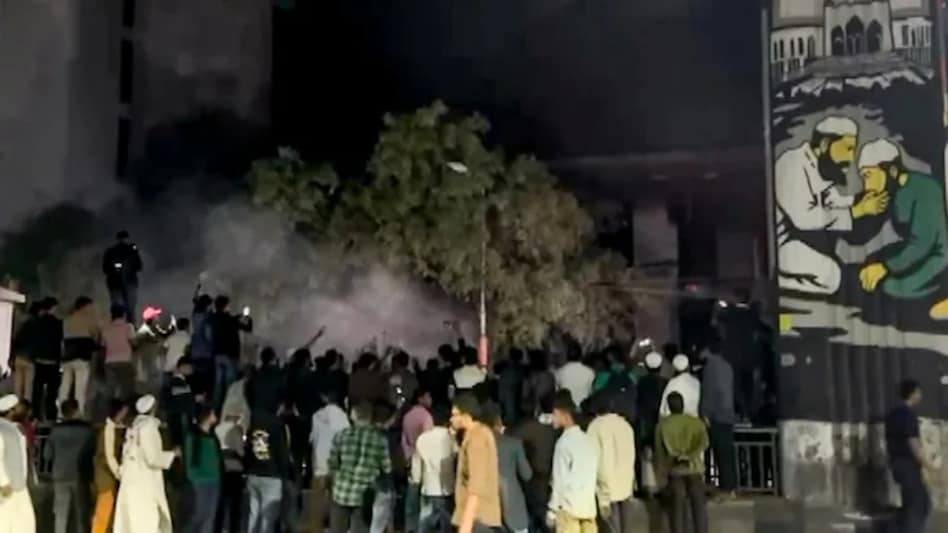
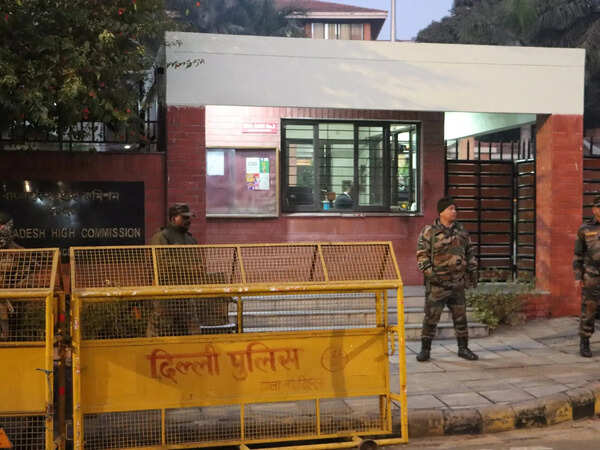
The streets of Dhaka, typically buzzing with the relentless energy of Bangladesh’s capital, have transformed into a tableau of tension and grief. In Chattogram, the nation’s bustling port city, the iconic Indian High Commission building stands marred, its windows shattered by hurled stones. These are the visceral images dominating headlines, emanating from a sudden and violent surge of unrest that has gripped parts of Bangladesh, ostensibly ignited by the tragic death of a young man named Osman Hadi. This unfolding situation is a complex tapestry woven with threads of communal suspicion, geopolitical sensitivities, and deep-seated political frustrations.
The Spark: The Death of Osman Hadi
The immediate catalyst for the violence is reported to be the death of Osman Hadi (also reported as Hadi Hossain or Hadi Osman), a young office assistant at a private company in Dhaka’s Mohammadpur area. According to police reports and statements from his employer, Hadi died by suicide on the office premises. However, a potent rumour swiftly overtook this official narrative within his local community. Word spread that his death was not self-inflicted but a murder linked to a dispute over religious identity—specifically, allegations of blasphemy.
This unverified rumour, amplified through social media and word-of-mouth in a climate already sensitive to communal discourse, acted as a powerful accelerant. It tapped into existing anxieties among some sections of the population. In Dhaka’s Mohammadpur and adjoining areas, protests erupted demanding “justice for Hadi.” What began as vocal demonstrations quickly escalated. Protesters clashed with police, who deployed tear gas and rubber bullets to disperse crowds. Vehicles were set ablaze, property was vandalized, and the city’s normal rhythm ground to a halt in pockets of severe disturbance. The police have repeatedly urged the public to reject the rumour-mongering, emphasizing their investigation points to suicide, but the emotional charge of the communal narrative has proven difficult to dispel.
The Geopolitical Flashpoint: Targeting the Indian Mission
While Dhaka grappled with these internal convulsions, a parallel and deeply symbolic attack occurred nearly 300 kilometers away in Chattogram. A group of demonstrators gathered outside the Indian High Commission office in the city’s Anderkilla area. The protest quickly turned violent, with participants hurling stones at the mission building, damaging windows and fixtures. Security forces intervened to bring the situation under control.
This was not a random target. Attacking an Indian diplomatic mission immediately imports a layer of international and geopolitical tension into the domestic unrest. In the complex socio-political landscape of Bangladesh, India is a constant presence—a neighbor with deep historical ties, a major economic partner, but also a source of periodic political contention. Anti-Indian sentiment, often fueled by perceptions of political interference, economic disparity, or issues like water sharing, simmers within certain political and societal groups.
The attackers in Chattogram reportedly chanted anti-Indian slogans, linking Hadi’s death to a broader, unsubstantiated narrative of Indian influence. This connection appears tenuous at best, manufactured to graft a domestic incident onto a pre-existing axis of grievance. It signifies how local tragedies can be weaponized by elements seeking to inflame nationalist or anti-foreign sentiments, turning a law-and-order situation into a diplomatic incident.
The Underlying Kindling: A Volatile Political Climate
To view these events in isolation would be a mistake. They have erupted against the backdrop of a prolonged and deeply polarized political climate in Bangladesh. The country remains deeply divided following the January 2024 general elections, which were boycotted by the main opposition, the Bangladesh Nationalist Party (BNP), and its allies. The ruling Awami League secured a overwhelming majority, but the opposition and several international observers have raised concerns about the electoral process.
Since the polls, the political atmosphere has remained tense. The opposition has continued its agitation, alleging an authoritarian drift, while the government has maintained a firm stance on stability and development. This overarching political fracture creates a society on edge, where trust in institutions is low and rumours find fertile ground. In such an environment, any incident—be it a personal tragedy or an economic grievance—carries the potential to be reinterpreted through a political or communal lens and escalate rapidly.
The Official Response and the Path Ahead
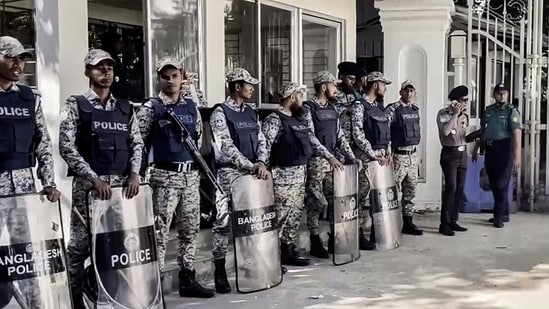
The government, led by Prime Minister Sheikh Hasina, has responded with a dual strategy: a firm security response coupled with appeals for calm. Law enforcement agencies have been deployed in strength in affected areas. The police are investigating both the circumstances of Hadi’s death and the acts of violence and vandalism. Several arrests have been made in connection with the Chattogram attack, with authorities vowing to pursue those responsible for attacking a foreign mission vigorously.
Simultaneously, senior officials, including the Home Minister, have publicly addressed the nation, debunking the rumours surrounding Hadi’s death and urging community leaders and the public to exercise restraint and responsibility. The government has also reportedly directed social media platforms to curb the spread of inflammatory content.
The path forward is fraught with challenges. The immediate task is restoring public order, which security forces seem focused on achieving. However, the more profound task is addressing the underlying discontents. This involves:
· Transparent Investigation: Ensuring a credible, transparent, and swift investigation into Hadi’s death, with findings communicated effectively to the public to counter misinformation.
· De-escalating Rhetoric: Political and community leaders across the spectrum must avoid leveraging the tragedy for partisan gain and work to lower the temperature of public discourse.
· Addressing Root Causes: Ultimately, the long-term stability of Bangladesh requires addressing the deep political divides and socio-economic frustrations that make such violent outbursts possible. This necessitates inclusive dialogue and a commitment to democratic space.
The stones hurled in Chattogram and the fires lit in Dhaka are more than just acts of violence; they are distress signals from a society navigating profound stresses. How Bangladesh manages this crisis—both its immediate fallout and its deeper origins—will be crucial for its future stability and social harmony. The world watches, hoping that the nation’s resilient spirit will ultimately guide it from the noisy, violent streets back to a path of peace and reasoned dialogue.
Discover more from AMERICA NEWS WORLD
Subscribe to get the latest posts sent to your email.






























Leave a Reply