
By Suraj Karowa and Lana Lam/ ANW Sydney December 20, 2025

Hundreds of thousands of guns were handed in across Australia during the last major government buyback scheme.
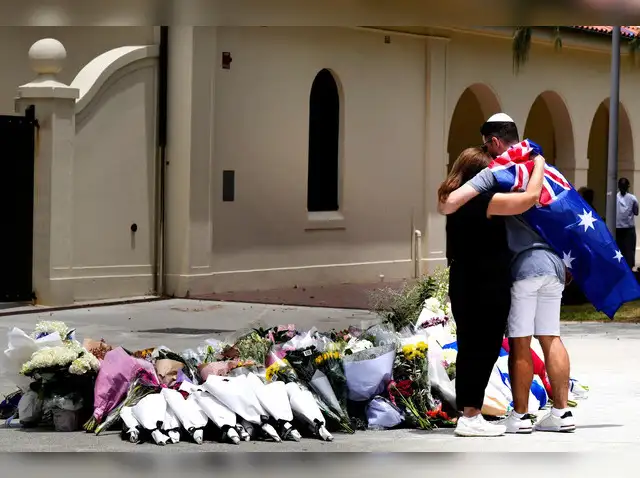
In the shadow of Sydney’s iconic Bondi Beach, where golden sands meet crashing waves, a nightmare unfolded on a balmy Sunday evening.
Two gunmen, Sajid Akram and Naveed Akram, unleashed a hail of bullets during a joyous Hanukkah celebration, claiming 15 lives and shattering the festive spirit.
As families mourn and the nation reels, the attack—Australia’s deadliest mass shooting since 1996—has ignited fierce debate over the country’s vaunted gun laws.
Once hailed as a global model, these reforms now face scrutiny amid rising firearm ownership and persistent loopholes.

Roland Browne has called for tighter gun laws in Australia.
The parallels to the Port Arthur massacre are haunting. Nearly 30 years ago, on April 28, 1996, Martin Bryant slaughtered 35 people in Tasmania’s historic tourist enclave with semi-automatic rifles.
The horror galvanized then-Prime Minister John Howard into sweeping action: a nationwide ban on automatic and semi-automatic weapons, a compulsory buyback that melted down over 650,000 guns, and stringent licensing.
Gun deaths plummeted—suicides and homicides by firearm halved in the decade that followed.
Australia became a beacon, much like the UK after the 1996 Dunblane school shooting that killed 16 children and prompted its own handgun ban.

An estimated 650,000 firearms were handed in and destroyed after the Port Arthur massacre.
For gun control stalwart Roland Browne, the echoes are personal. The 66-year-old Hobart resident, who summered in Bondi as a child, was hosting advocates at home when news broke.
“It’s sickening,” Browne told the BBC, his voice heavy with decades of campaigning. “Both tragedies struck public havens teeming with tourists. Our political system ignores pleas for tighter laws until blood spills.”
Browne, who forged bonds with Dunblane survivors’ families, laments a system that, despite praise, harbors deep flaws.
Data paints a stark picture. A June 2025 Australia Institute report reveals over four million registered firearms in private hands—nearly double the tally from 2005.
That’s one gun per seven Australians, concentrated not in rural outbacks but urban sprawl. New South Wales (NSW), home to Bondi, boasts 1.14 million guns, with one-third in Sydney’s metropolitan core.

Fifteen people were killed when two gunmen opened fire at Bondi Beach on Sunday.
Queensland edges it out with 1.144 million, while Tasmania and the Northern Territory lead per capita: 27 and 21 guns per 100 residents, respectively. Ownership has intensified; the average license holder now possesses over four firearms, up from fewer two decades ago.
Browne pins blame on lax limits. Only Western Australia caps holdings at five to ten guns per license, a reform enacted in March 2025.
Sajid Akram, 48, the slain elder gunman, legally owned six under a recreational hunting permit.
Browne demands a national ceiling of one to three guns, arguing proliferation fuels black-market leaks and thefts from poor storage. “Guns in the wrong hands stem from this legacy,” he says.
Opponents cry foul. Tom Kenyon, CEO of the Sporting Shooters’ Association of Australia, dismisses caps as futile. “It wouldn’t have stopped Sunday’s radicals,” he insists.

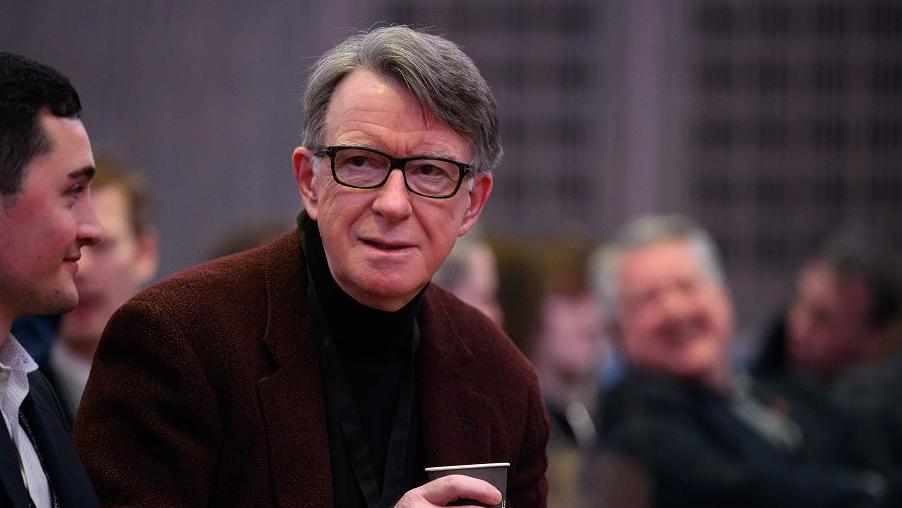
Pro-gun advocate Tom Kenyon says tightening gun laws is a waste of resources.
The Akrams’ ties to Islamic State—Naveed, 24, had prior scrutiny—point to ideology, not arsenals, Kenyon argues. He cites the 2016 Nice truck attack, where 86 died without a single shot fired.
“Radicalization, not gun counts, is the threat. Pour resources there, not into symbolic restrictions.”
Kenyon, a 53-year-old ex-Labor politician and avid hunter, taught his three adult children to shoot, viewing it as cultural rite.
Hunters, he notes, cull millions of feral pests yearly—rabbits, foxes, deer—bolstering biodiversity.
Australia’s laws, forged in federal-state compromise, bristle with inconsistencies. Licensing demands applicants be 18+, “fit and proper,” trained, and state a “genuine reason”—hunting, sport, farming, or collecting.
Self-defense, taboo post-Port Arthur, is off-limits, unlike the U.S., where it drives ownership amid 488 mass shootings in 2024 alone.
Yet gaps persist: Minors as young as 10 (Northern Territory) or 12 (elsewhere) handle guns under supervision. Banned rifles in one state thrive in another.
And the promised national firearms register? Slated for 2028, it gained urgency after the 2022 Wieambilla police ambush but languishes.
Bondi’s toll—families torn asunder, a “superhero” mother shielding strangers, lifeguards turned heroes—demands reckoning.
NSW Premier Chris Minns thundered: “If you’re no farmer, why hoard these killing machines?” Hours later, Prime Minister Anthony Albanese convened an emergency summit.
By Friday, he unveiled a landmark buyback: the first since 1996, aimed at stripping streets of surplus arms.
Proposals cascade: ownership caps, “open-ended” license curbs, citizenship mandates for owners, enhanced intelligence-sharing, and periodic reviews. “Circumstances evolve; radicalization festers,” Albanese warned.
Howard, now 85, endorsed tightening but decried it as deflection from surging antisemitism, which he ties to the attack’s targeting of a Jewish event.
Polling backs reform: 70% of Australians crave harder access, 64% stronger laws. Walter Mikac, whose wife and daughters perished at Port Arthur, echoed via his Alannah & Madeline Foundation: “Bondi horrifically reminds us: Community safety first, always.”
Yet Kenyon scoffs at “gun-grabbing” as misallocated zeal. Browne counters that hunting licenses, like Akram’s, are too loosely granted—ambiguous “recreational” pretexts mask risks.
Post-Port Arthur bans axed self-loaders, slashing deaths, but high-powered, magazine-fed rifles—up to five rounds rapid-fire—now dominate, as seen in chilling Bondi footage of a gunman blazing from a footbridge. “Manual reloads per shot? The carnage shrinks,” Browne urges.
Mass shootings scar but seldom recur here. The 2018 Osmington family annihilation—seven dead—reigned as worst until Bondi. Firearms fuel everyday tolls: disputes, gangs, suicides.
“It’s no lone cause, like a plane crash’s cascade,” Browne reflects. Solutions? Rigorous candidate vetting, type restrictions, storage mandates.
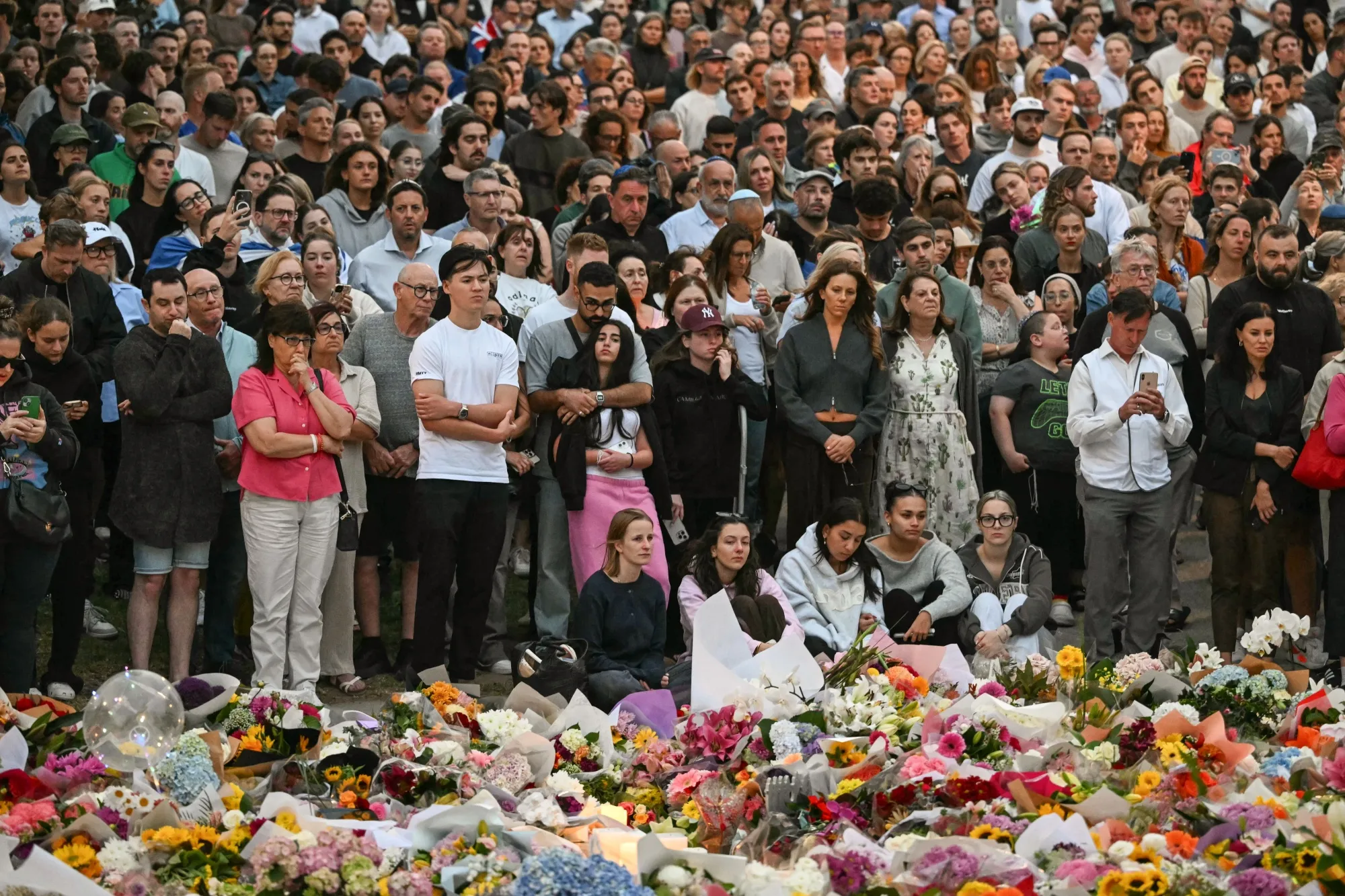
As floral tributes wilt along Bondi’s promenade, Browne invokes Port Arthur’s survivors: “Tragedy awakens the deaf.” Australia, safer than most, teeters.
Will Bondi forge a bolder legacy—or fade like Port Arthur’s vows? In a nation of barbecues and beaches, the gun debate endures, a bullet-pointed reminder that vigilance is eternal.
Discover more from AMERICA NEWS WORLD
Subscribe to get the latest posts sent to your email.





















Leave a Reply