
By_shalini oraon

The Ground Roars, The Sea Rises: A Nation’s Resilience Tested Again by Twin Perils
A familiar yet unforgiving dread returned to Japan in the early hours of a winter morning. A massive magnitude 7.5 earthquake, its epicenter off the Noto Peninsula in Ishikawa Prefecture, violently jolted northern Japan, shaking homes from their foundations, snapping power lines, and sending terrified residents scrambling for cover. The quake’s raw power, felt as far away as Tokyo, was only the opening act. Within minutes, the Japan Meteorological Agency issued its most severe warning: a major tsunami was coming. What followed was a harrowing day of destruction, heroic response, and a stark reminder that in the Pacific Ring of Fire, the earth’s tremors are often a prelude to the ocean’s wrath. At least 23 people have been confirmed injured, a number that, while tragically significant, speaks to a nation whose bones are etched with the lessons of past catastrophes.
The Quake: A Violent Awakening
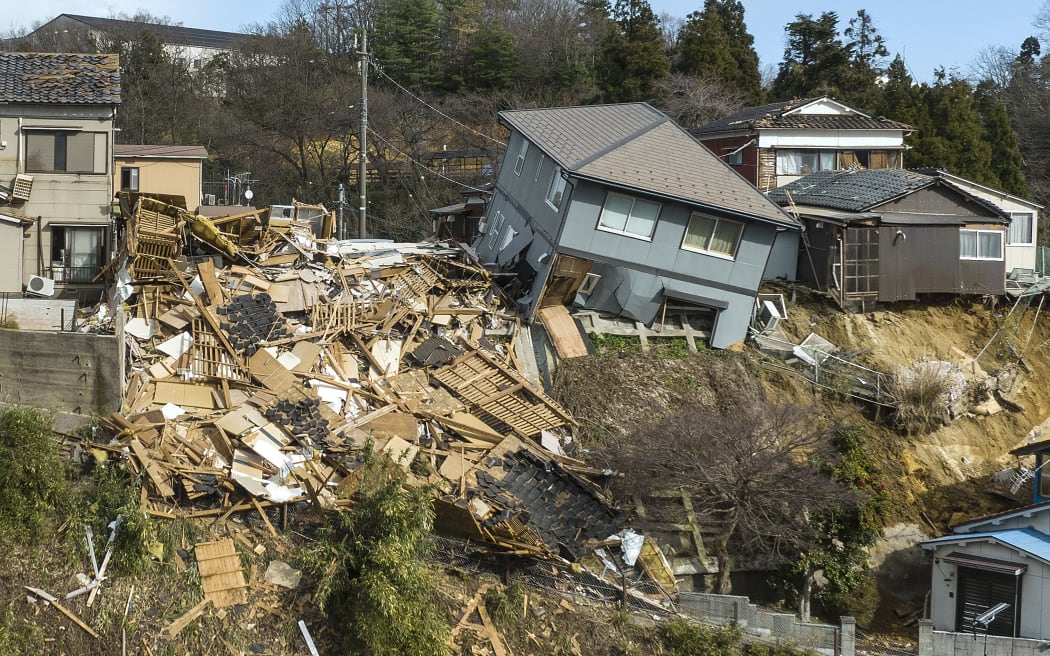
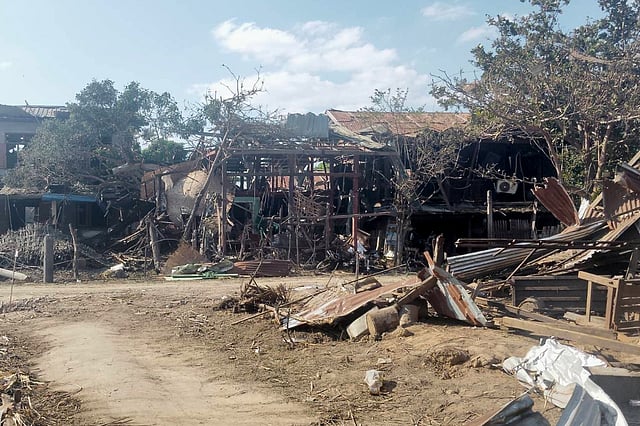
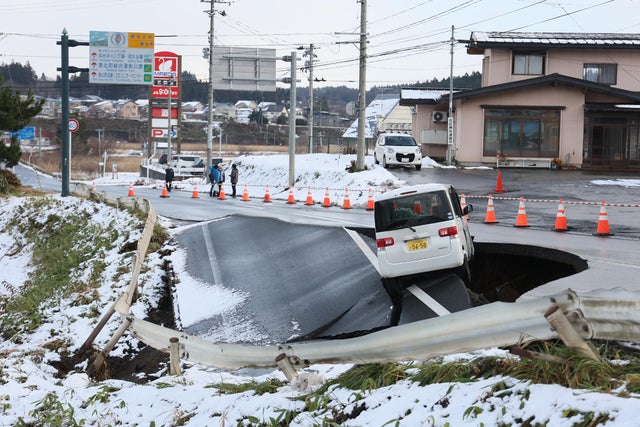
The earthquake struck at 4:10 p.m. local time, its shallow depth amplifying the intense shaking on the surface. In Suzu, Wajima, and other coastal towns in Ishikawa, the seismic waves transformed orderly streets into scenes of chaos. Buildings swayed violently, furniture was hurled across rooms, and centuries-old tiles cascaded from roofs. Roads cracked and buckled like discarded peanut brittle, and landslides tumbled down hillsides, cutting off remote communities. Power was instantly lost for over 30,000 households, plunging the region into a cold, anxious darkness as aftershocks—one a formidable 6.2 magnitude—continued to roll through.
The immediate human cost became apparent quickly. The 23 reported injuries ranged from broken bones and lacerations caused by falling debris to cases of shock and exposure. Fire departments and paramedics worked through the aftershocks to extract people from damaged homes and collapsed structures. In a testament to Japan’s stringent building codes, developed and refined over decades of seismic activity, widespread catastrophic building collapse was avoided. Yet, the trauma was palpable—the visceral fear of the shake, the disorientation, the frantic search for loved ones.
The Tsunami: The Sea’s Relentless Advance
Even as the ground still seemed to hum, the more insidious threat was racing across the seafloor. The quake had displaced a colossal volume of water, generating tsunami waves that sped toward the coastline. Urgent warnings blared from televisions and smartphones, urging immediate evacuation to high ground. Sirens, an eerie sound deeply ingrained in the national psyche, wailed across coastal communities.
Residents, many still in slippers and without coats, did not hesitate. Years of relentless drills and the searing collective memory of the 2011 Tōhoku disaster propelled a disciplined, rapid exodus. They fled to designated evacuation centers—schools, community halls on higher ground—carrying only the essentials. The waves arrived not as a single monolithic wall, but as a powerful, surging rise of dark water. In some ports, like Suzu, waves exceeding 1.2 meters (4 feet) surged, inundating streets, submerging cars, and flooding homes. Boats were torn from their moorings and thrown about like toys. The spectacle was less of a dramatic crash and more of a terrifying, relentless invasion, a forceful reminder of the ocean’s dominion.
The Response: Protocol and Compassion in Motion
Japan’s disaster response machinery, perhaps the most sophisticated in the world, activated with seamless precision. The Self-Defense Forces were mobilized within hours, deploying troops for search-and-rescue operations, damage assessment, and logistical support. The government set up an emergency task force, with Prime Minister Fumio Kishida urging calm and strict adherence to evacuation orders.
On the ground, the spirit of kizuna (social bonds) shone through. Neighbors checked on elderly residents, guiding them to safety. Evacuation centers, though austere, were organized, with volunteers distributing blankets, water, and emergency food rations. The injured were triaged and transported to hospitals, some of which were themselves operating on backup generators. Utility crews worked through the night, a race against the deepening cold to restore power and water.
Yet, significant challenges emerged. The damage to infrastructure made access to the hardest-hit areas difficult. Fallen rocks and cracks rendered key roads impassable, isolating some villages. Authorities warned of the high risk of further landslides, especially with forecasted rain, complicating rescue efforts. The full scale of the damage—to homes, businesses, and the vital fishing industry—remains to be assessed.
A Nation Forged by Seismic Fire
While this event is a serious disaster, the relatively contained casualty count, so far, when compared to the force of the quake, is not mere luck. It is the product of a national project decades in the making. Japan’s earthquake early warning system, which detected the initial P-waves and broadcast alerts seconds before the more destructive S-waves hit, gave precious moments to take cover. Its tsunami warning system, leveraging a dense network of seafloor sensors, provided critical lead time. Most importantly, a deeply ingrained culture of preparedness—from annual drills in schools and workplaces to household emergency kits and community mapping—saved lives today.
The 2011 Great East Japan Earthquake and Tsunami, which claimed nearly 20,000 lives, hangs heavily over every seismic event. The lessons from that tragedy—the need for higher seawalls, more robust evacuation plans, and relentless public education—were applied in real-time during this crisis.
The Road Ahead
As dawn breaks, the people of northern Japan face a arduous path to recovery. The immediate priorities are clear: account for every missing person, tend to the injured, and restore basic services. The psychological toll, the anxiety of continued aftershocks and the trauma of displacement, will require long-term care. Rebuilding homes and livelihoods, particularly in communities reliant on fishing and tourism, will be a monumental task.
But if history is a guide, resilience will define the next chapter. The same communal spirit evident in the orderly evacuations will fuel the cleanup and reconstruction. The earthquake and tsunami have, once again, exposed the formidable forces that shape Japan. Yet, they have also revealed the unwavering strength of its people—a society that does not just live with disaster, but learns, prepares, and endures, rising each time the ground settles and the waters recede. The tally of today is 23 injured, a community shaken, and a nation reminded of its fragile place on the planet. But the final story will be one of determined recovery, written by millions of hands working together to mend what was broken.
Discover more from AMERICA NEWS WORLD
Subscribe to get the latest posts sent to your email.





























Leave a Reply