
By_shalini oraon

The Great Delhi Smog Divide: Who Gets a Pass Under the Latest Pollution Curbs?
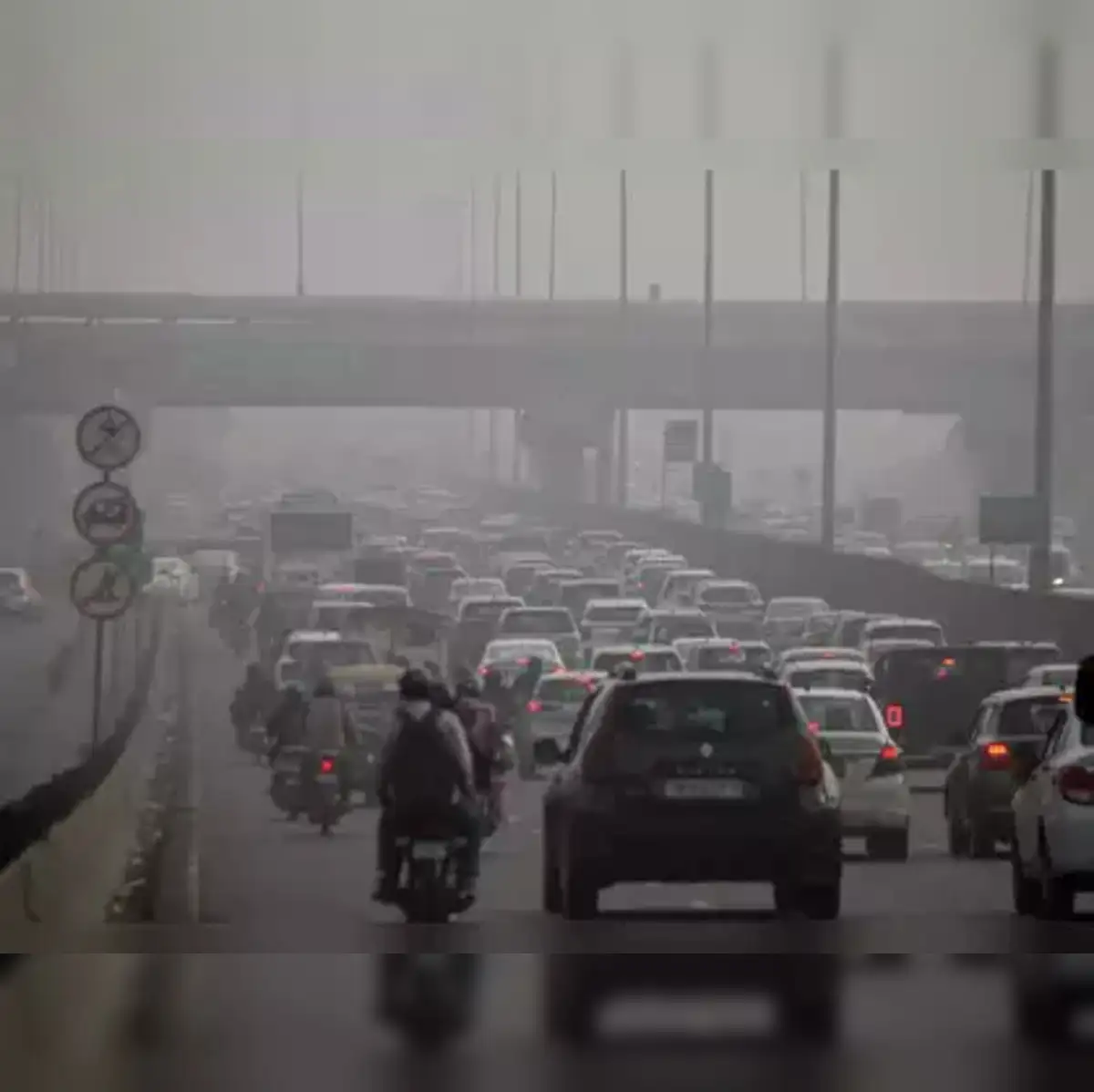
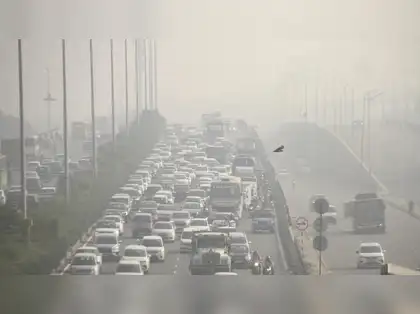
As a familiar, choking grey veil descends upon the national capital each winter, the Delhi government’s Graded Response Action Plan (GRAP) swings into motion with a predictable rhythm. With the onset of “Severe+” (Stage IV) air quality, the latest round of draconian restrictions has been activated: construction banned, trucks turned back, and the controversial odd-even scheme for private vehicles reinstated. Yet, as the city collectively groans under these disruptive but necessary rules, a critical question arises: who gets a free pass? The exemptions list reveals a complex web of practical necessities, political calculations, and stark inequalities that define Delhi’s battle for breath.
The Essential Services Shield: Non-Negotiable Exemptions
At the heart of the exemption policy lies the need to keep the city’s vital organs functioning. These are the non-negotiables, the vehicles and activities without which societal order would crumble.
· Emergency & Essential Service Vehicles: All ambulances, fire engines, police vehicles, and prison vans are exempt. Their mission—saving lives, enforcing law, and maintaining safety—transcends the pollution fight. Similarly, vehicles carrying essential commodities like food, fuel (LPG, CNG, petrol, diesel), and medical supplies are protected. The city must eat, heat, and heal, even in a toxic haze.
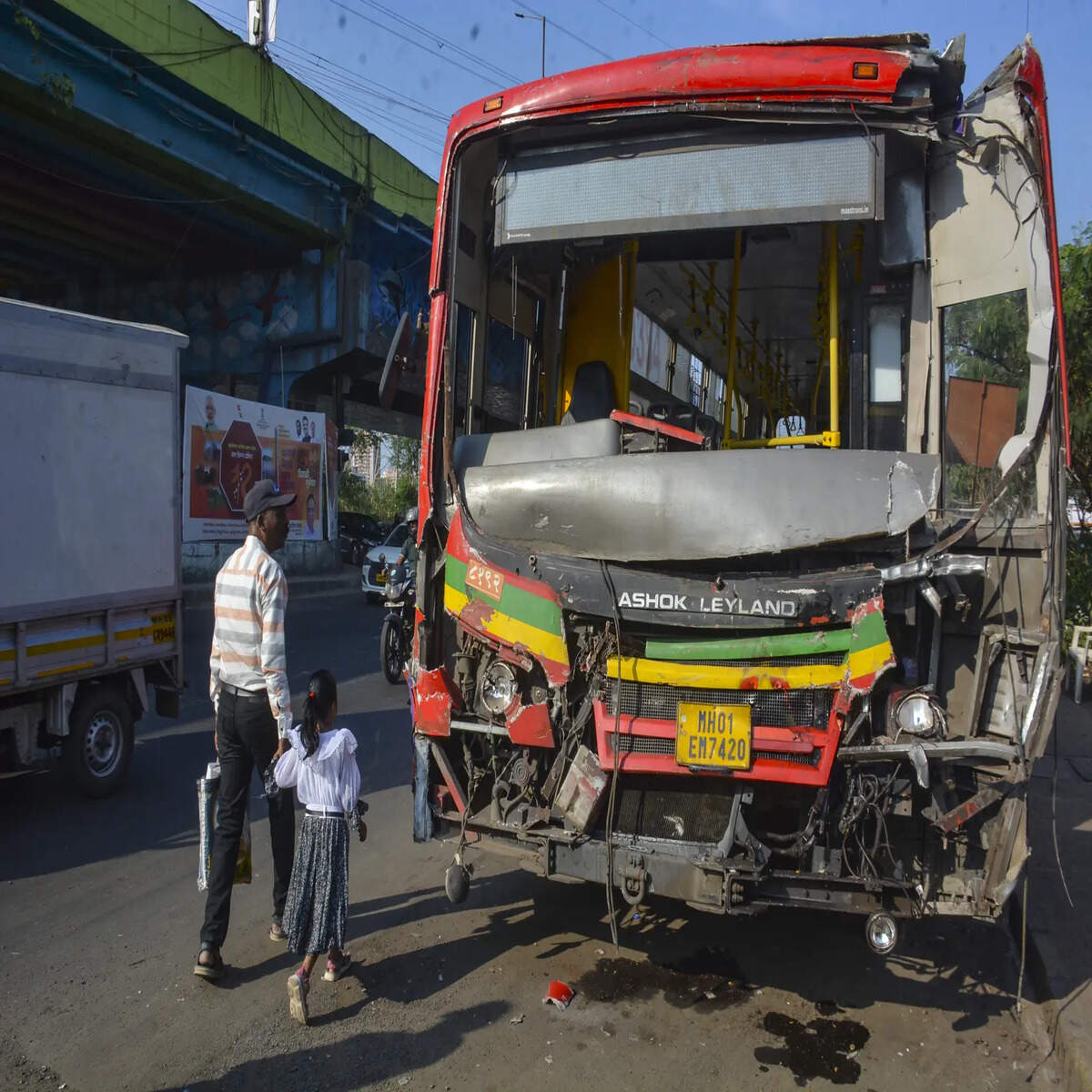
· Public Transport & Official Duty: All buses (DTC, cluster, school buses) and taxis (including app-based cabs like Uber and Ola) are exempt. This is a critical, equity-driven decision. Millions of Delhiites rely on public and commercial transport; restricting it would punish those who don’t own private vehicles. Government vehicles on official duty, marked with blue lights, also continue to ply, ensuring governance doesn’t grind to a halt.
· Construction for Critical Infrastructure: While general construction is halted, exceptions are made for projects deemed of national importance, essential railway services, metro rail projects, airports, and hospitals. The calculus here is long-term: pausing critical infrastructure could cause greater disruption down the line.
The Power & Pragmatism Concessions
Beyond pure necessity, exemptions are granted for reasons of sheer practicality and energy security—factors that highlight the interconnectedness of Delhi’s pollution with the wider National Capital Region (NCR) and national economy.
· The CNG Lifeline: In a significant carve-out, all vehicles running on Compressed Natural Gas (CNG) and electric vehicles (EVs) are exempt from the odd-even scheme. This is a carrot-and-stick policy: punishing polluting petrol/diesel vehicles while rewarding a shift to cleaner fuels. It’s a clear signal to consumers about the desired future of mobility.
· Women & Safety: Perhaps the most debated exemption is for vehicles occupied only by women, and women drivers with children below 12. This is rooted in concerns about women’s safety in a city where secure public transport options are still lacking. While critics argue it undermines the scheme’s effectiveness and is patronizing, proponents see it as a non-negotiable concession to ground realities.
· VIP Movements: Vehicles of the President, Vice President, Prime Minister, Chief Justice, Governors, and Union Ministers are exempt. So are foreign dignitaries’ cavalcades. Security protocols and state functions are cited as the reason, though this often draws public ire as a symbol of unequal accountability.
· The Two-Wheeler Paradox: In a move that underscores the city’s transport crisis, motorcycles and scooters are exempt. The rationale is twofold: first, they constitute a massive share of personal vehicles, and restricting them would cripple mobility for the middle and working class. Second, authorities argue that per-passenger, two-wheelers cause less congestion than single-occupancy cars. However, their high numbers and often poorer emission standards make their collective impact significant.
The Exempted & The Exposed: A Tale of Two Cities
This architecture of exemptions paints a picture of Delhi’s deep divides. On one side lies the “Exempted Class”: those with access to CNG/EV cars, who can work from home, or whose professions are deemed essential. They navigate the smog with relative ease, their lives inconvenienced but not upended.
On the other side are the “Exposed Majority”: the construction daily-wage labourer whose site is shut, with no social security to fall back on; the small shopkeeper whose delivery van is restricted; the millions who cram onto metros and buses, breathing the toxic air directly during their commutes. For them, the economic penalty of GRAP is immediate and severe. The rules, while designed to protect public health, often feel like a burden borne disproportionately by those already on the margins.
The Gray Areas and Loopholes
The exemption list is not just about policy; it’s a playground for ingenuity. The exemption for “vehicles on emergency duty” has historically been abused, with plain-clothes plaques becoming a coveted commodity. The women-only exemption can be exploited by male drivers hiring female companions. The sheer number of two-wheelers, while exempt, continues to add to the pollution load. Each exemption, however well-intentioned, creates a potential leak in the system, challenging enforcement agencies already stretched thin.
Towards a More Equitable Fight for Clean Air?
The exemptions under GRAP are a necessary compromise. They acknowledge that you cannot freeze a metropolis of 30 million people in place. However, they also reveal that Delhi’s pollution crisis cannot be solved by short-term traffic curbs alone. The true path forward lies in addressing the structural issues the exemptions highlight:
1. Accelerating the Clean Transport Transition: The CNG/EV exemption must be a temporary bridge. Massive investment in electric buses, last-mile connectivity, and affordable EV infrastructure is needed to make clean mobility the default, not the privileged exception.
2. Securing Livelihoods: A robust system of compensation or alternative work for daily-wage workers affected by construction bans is essential. The health crisis must not become a hunger crisis.
3. Year-Round Action, Not Winter Firefighting: Exemptions are debated because the main action—restricting private vehicles—is a last-stage emergency measure. The focus must shift to controlling the perennial sources: industrial emissions, dust from mismanaged sites, and trans-boundary stubble burning, through sustained, year-round policy.
In the end, the list of who is exempt from Delhi’s pollution curbs is more than a bureaucratic footnote. It is a mirror held up to the city’s priorities, its inequalities, and its immense challenges. It asks us who and what we value when the air turns poisonous. Until clean air is treated not as a seasonal inconvenience for some, but as an inviolable right for all, the list of exemptions will remain a testament to our fractured fight for survival.
Discover more from AMERICA NEWS WORLD
Subscribe to get the latest posts sent to your email.








Leave a Reply