
By_shalini oraon

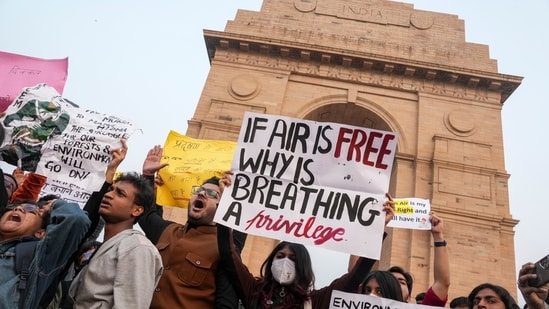
_the deteriorating air quality in Delhi.
—
Another Day of Noxious Air for Delhi as AQI Nears ‘Severe’, No Relief in Sight
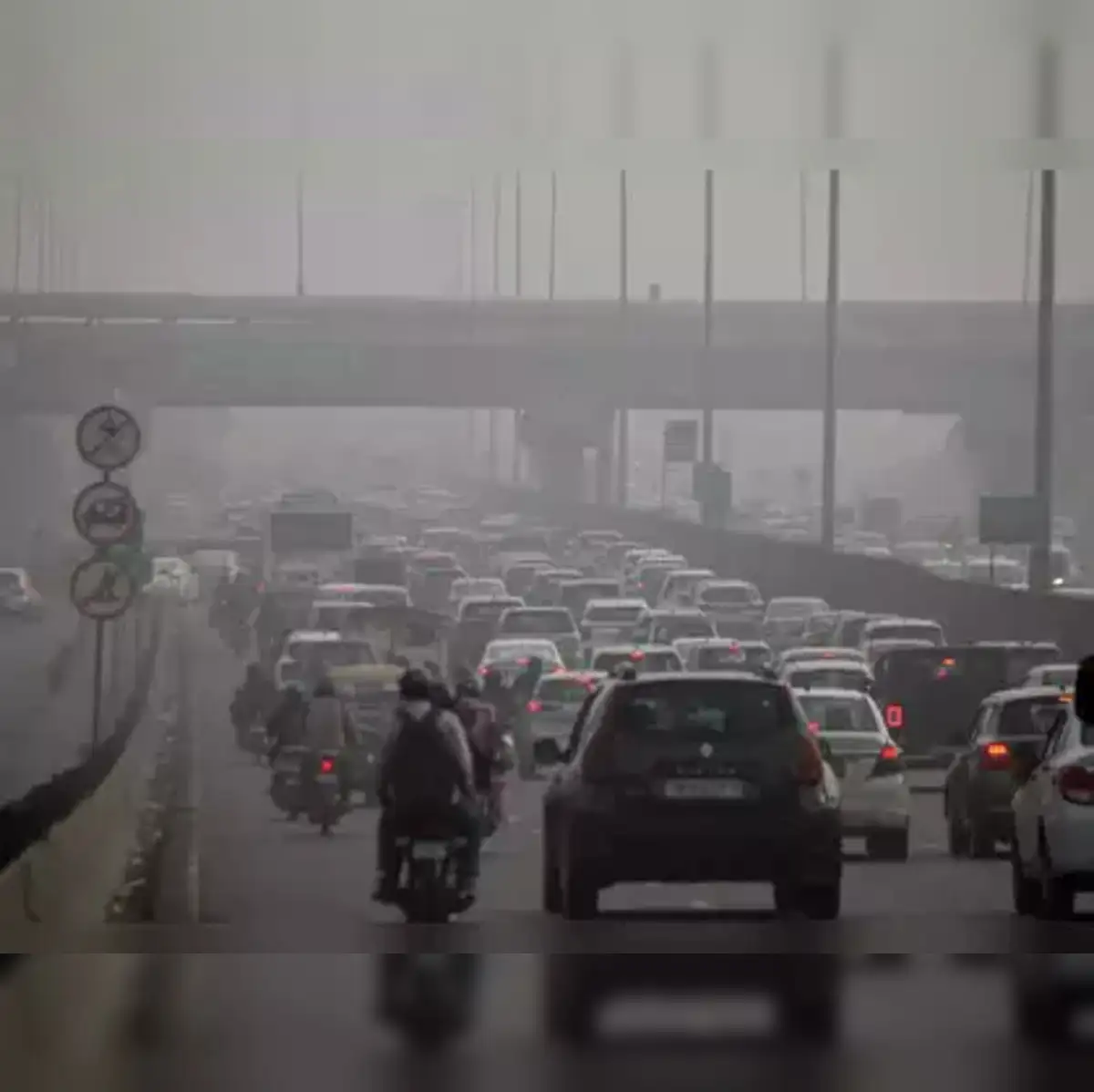
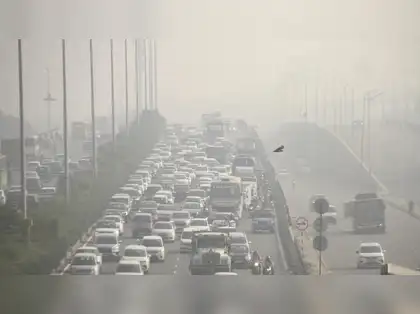
New Delhi, [Current Date]: For the millions of residents of India’s capital, the morning began not with sunlight, but with a familiar, gritty haze. A thick, greyish-yellow smog blanketed the city, reducing landmarks to shadows and leaving a metallic taste in the air. For the third consecutive day, the Air Quality Index (AQI) teetered on the brink of the ‘severe’ category, with readings across monitoring stations consistently breaching the 400 mark—a level where even healthy individuals are at risk, and the ill and elderly are advised to remain indoors.
This is not an isolated bad air day; it is the grim inauguration of the city’s annual “pollution season,” a public health crisis that has become as predictable as it is paralyzing. With meteorological conditions set to worsen and no significant policy interventions in sight, experts warn that Delhi is staring down the barrel of one of its most toxic winters yet.
A City Gasping: The Human Toll of the Crisis
The human impact of this airpocalypse is immediate and visceral. In hospital OPDs, there has been a marked surge in patients complaining of respiratory distress.
“Today alone, I’ve seen over a dozen patients with exacerbated asthma and bronchitis. The number of people coming in with persistent dry coughs, itchy throats, and burning eyes is significantly higher than last week,” said Dr. Anjali Sharma, a pulmonologist at a leading private hospital. “For those with pre-existing conditions like COPD or cardiovascular issues, this air is literally a poison. It’s not just discomfort; it’s shortening lives.”
On the streets, the city’s vast army of informal workers—rickshaw pullers, street vendors, and construction laborers—breathe this toxic air for 10-12 hours a day, with little to no protection. “We know it’s harmful, but what can we do? If we don’t work, we don’t eat,” said Ramesh Kumar, an auto-rickshaw driver, tying a thin cloth around his mouth and nose—a futile gesture against the onslaught of PM2.5 particles, which are small enough to enter the bloodstream.
Schools have reinstated restrictions on outdoor activities, confining children to classrooms during break times—a measure that protects their lungs but does little to alleviate the anxiety of parents. “It’s heartbreaking to tell your child they can’t go out and play,” said Priya Singh, a mother of two in South Delhi. “But the alternative, letting them breathe this poison, is unthinkable. We feel like we are failing them.”
The Perfect Storm: Anatomy of a Pollution Crisis
The current spike in pollution is a catastrophic confluence of multiple factors, transforming Delhi into a gas chamber.
1. Stubble Burning: The Proximate Trigger: The primary immediate cause is the rampant stubble burning in the neighbouring states of Punjab and Haryana. As farmers rush to clear their paddy fields for the next wheat crop, they set fire to the leftover straw, releasing a massive plume of pollutants that travels on the prevailing north-westerly winds. Satellite imagery from NASA shows hundreds of fire spots, whose smoke contributes an estimated 25-35% of Delhi’s current PM2.5 load.
2. Local Sources: The Constant Undercurrent: While stubble burning grabs headlines, it adds to a toxic base soup that Delhi cooks for itself year-round. Vehicular emissions, particularly from private cars and diesel trucks, contribute significantly. Dust from countless construction sites and roads, emissions from industries located within and on the city’s periphery, and the burning of garbage and biomass in the open further choke the air.
3. Meteorological Misfortune: The Lock-In Effect: Nature has conspired to trap these pollutants. With the onset of winter, wind speeds have dropped dramatically, robbing the city of its natural ventilation system. Simultaneously, a phenomenon called temperature inversion occurs, where a layer of warm air acts like a lid, trapping the cooler, pollutant-laden air close to the ground. This lid prevents the vertical dispersion of smog, causing it to accumulate with each passing day.
A Litany of Failed Measures and Political Blame-Game
In response to the crisis, the Commission for Air Quality Management (CAQM), the central government’s apex body, has invoked the third stage of the Graded Response Action Plan (GRAP). This includes a ban on non-essential construction work and the possibility of restricting the plying of certain vehicles. However, critics argue these are knee-jerk reactions that treat the symptoms, not the disease.
The enforcement of these measures remains patchy. On the ground, construction continues at many sites, often with minimal dust control measures. The flow of trucks entering the city, a major polluter, has not seen a substantial reduction.
The crisis has also ignited a familiar and unproductive political blame-game. The Delhi government has pointed fingers at the BJP-led governments in Punjab and Haryana for failing to curb stubble burning. The central government, in turn, has accused the Delhi government of inaction on local pollution sources. This circular firing squad ensures that accountability is diffused, and comprehensive, long-term solutions remain elusive.
Farmers, caught in the crossfire, argue that they are being unfairly villainized. “We are not enemies of the environment,” said a farmer leader from Punjab. “But what is the alternative? Machines like Happy Seeders are expensive, and the government’s support is insufficient. We have a window of just 15-20 days to prepare our fields. Burning is the only cost-effective and timely solution we have.”
No Relief in Sight: A Grim Forecast
The meteorological forecast offers little hope. The Indian Meteorological Department (IMD) has predicted calm winds and stable atmospheric conditions to persist for at least the next five to seven days. This means the toxic smog layer will continue to thicken, likely pushing the AQI firmly into the ‘severe+’ category.
With Diwali, the festival of lights, just weeks away, the situation is poised to deteriorate further. Despite bans, the illegal sale and use of firecrackers continue, and their contribution on top of an already saturated airshed could create a public health catastrophe.
For now, Delhiites are left to their own devices—investing in expensive air purifiers, donning N95 masks as a necessary accessory, and hoping for a change in the wind, both literally and metaphorically. The city holds its breath, but with every passing day of inaction and political squabbling, the long-term damage to the health of its citizens and the environment becomes more profound and, perhaps, irreversible. The annual siege of smog is upon Delhi, and there are no knights in shining armour on the horizon.
Discover more from AMERICA NEWS WORLD
Subscribe to get the latest posts sent to your email.

















Leave a Reply