By_shalini oraon

The Stalemate Deepens: Zelensky’s Defiance, Trump’s Plan, and the Precarious Path to Peace in Ukraine
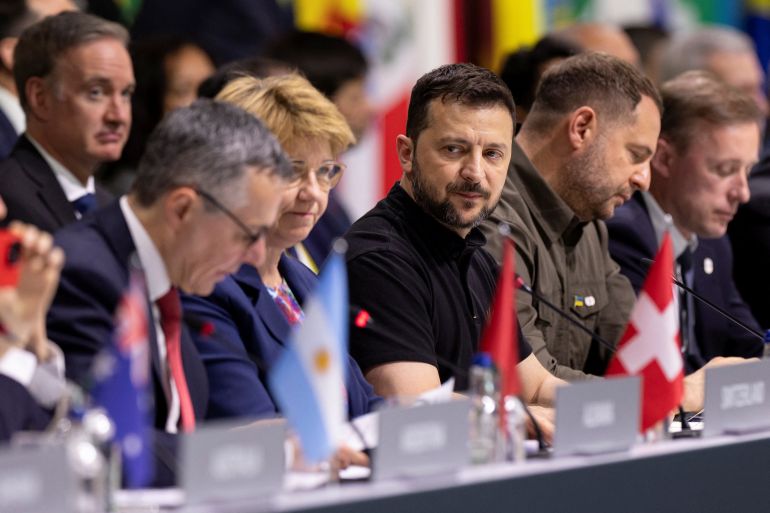
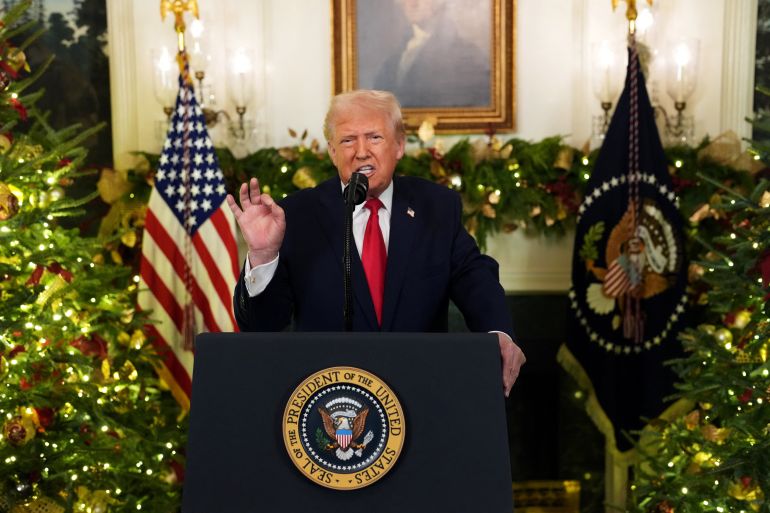
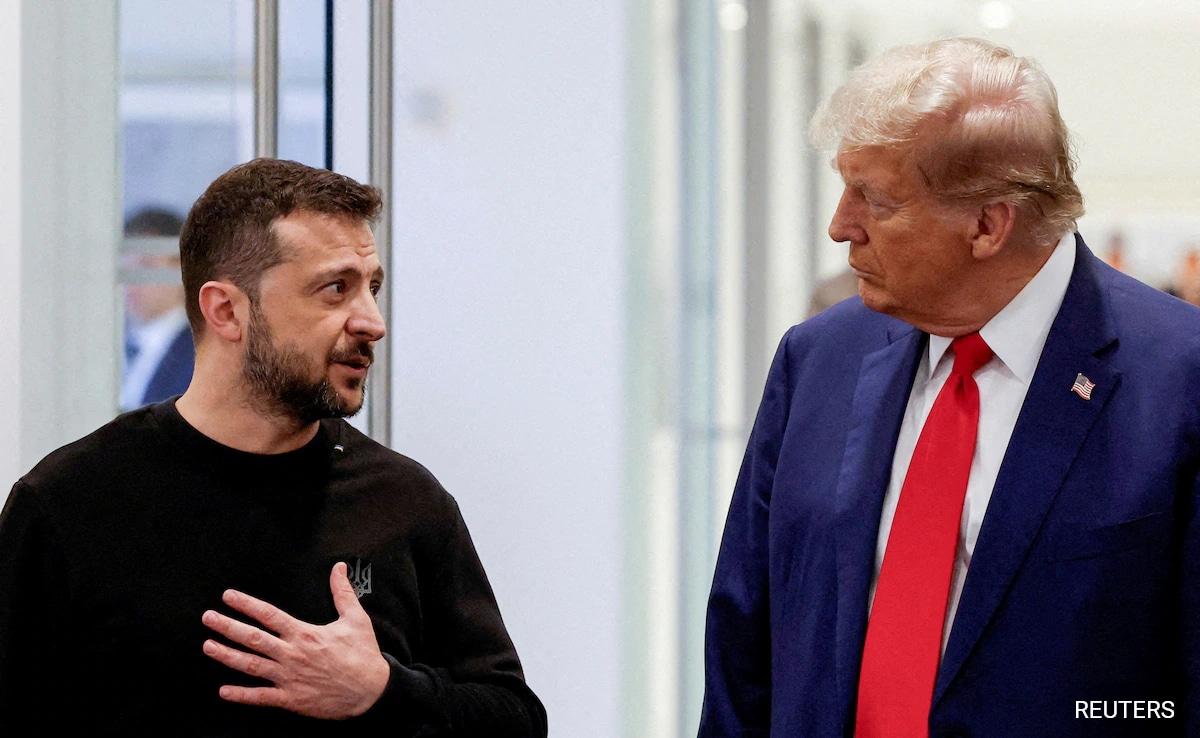
As the war in Ukraine grinds through its third year, the geopolitical landscape surrounding the conflict is shifting dramatically. A new and potent variable has been injected into the already complex calculus of peace negotiations: the looming prospect of a second Donald Trump presidency. The recent revelation that the Trump campaign is pushing for a prompt Ukrainian reply to a proposed peace plan—a plan reportedly involving significant territorial concessions to Russia—has collided head-on with President Volodymyr Zelensky’s unwavering public stance. “We will not give up our territory,” Zelensky has reiterated, setting the stage for a high-stakes diplomatic confrontation that could define the war’s next phase. This unfolding drama centers on five critical updates.
1. The Trump Plan: Pressure for a “Quick Deal” and the Concession Question
While the full details remain private, outlines of the plan advocated by Trump’s advisors have emerged through various reports. The core proposal, as suggested by figures like Senator Lindsey Graham and Trump himself in vague terms, involves a ceasefire that would effectively freeze the current front lines, leaving Russia in control of roughly 18% of Ukrainian territory, including Crimea and swathes of the Donbas. This would be followed by negotiations on “final status” from a position of reduced violence.
The critical update is the reported active pressure from the Trump camp for Kyiv to engage with this framework before the November U.S. election. The argument posited is that a Trump presidency would bring unprecedented leverage on Ukraine to accept a deal, and that negotiating now might secure better terms than later. However, for Kyiv, this represents a nightmare scenario: being pushed to legitimize the conquest of its sovereign land under the threat of abandoned support. The plan is seen not as a pathway to a just peace, but as a formula for a dictated surrender that would reward Russian aggression and, in Ukraine’s view, only postpone a future war.
2. Zelensky’s Unyielding Red Line: Territory, Security, and Justice
President Zelensky’s rejection is not mere political posturing; it is rooted in constitutional, strategic, and moral foundations. The 1991 borders, recognized internationally, are a non-negotiable pillar of Ukrainian statehood. Ceding territory would not only abandon millions of Ukrainians to repression under Russian occupation but would also violate Ukraine’s constitution, which mandates the preservation of territorial integrity.
Beyond principle, Zelensky and his advisors argue that a land-for-peace deal is strategically fatal. It would shatter Ukraine’s morale, devastate the military that has fought so hard, and prove to Russia that imperial aggression pays. Furthermore, it would do nothing to address core security guarantees. As Zelensky’s 2022 peace formula outlines, a sustainable peace requires the complete withdrawal of Russian troops, justice for war crimes, and binding security assurances—elements entirely absent from the reported Trump framework. Zelensky’s stance is a bet that Western unity, though strained, will hold, and that time can still be on Ukraine’s side if military support continues.
3. The Western Divide: Cohesion Under Strain
This U.S. political gambit exacerbates existing fractures within the Western coalition. European allies, particularly in Eastern Europe and the Baltics, view the Trump plan with profound alarm. They see it as a catastrophic precedent that would embolden Putin and make all of Europe less secure. Leaders in Berlin, Paris, and London are caught between wanting to support Ukraine “for as long as it takes” and a growing anxiety about a potential sudden cut-off of American aid and pressure.
The divide is not just transatlantic but intra-American. The Biden administration officially maintains its policy of supporting Ukraine until it can “stand strong in negotiations” from a position of strength, a stance aligned with Zelensky. However, a faction within the U.S. political landscape, influenced by Trump, is increasingly vocal about the war’s cost and the desire for a quick exit. This internal American debate paralyzes Kyiv, making long-term planning impossible and forcing it to navigate a minefield of competing political agendas in its most vital ally.
4. The Moscow Calculus: Waiting for Washington
Kremlin officials are watching the American political drama with undisguised glee. Putin’s strategy has long been predicated on outlasting Western resolve. The Trump plan, and the mere prospect of his return, validates this strategy. Russia has no incentive to engage in good-faith negotiations now. It will wait to see if November delivers an American president willing to force Kyiv to capitulate.
Moscow has consistently stated its own maximalist goals—the “demilitarization” and “denazification” of all of Ukraine—but its immediate actions suggest a willingness to accept a frozen conflict along current lines. This would allow it to consolidate its gains, rebuild its military, and maintain a permanent threat over Ukraine’s existence, all without needing to continue a costly large-scale offensive. The Trump plan, from the Kremlin’s perspective, could deliver this outcome without further Russian sacrifice.
5. The Path Forward: Between a Rock and a Hard Place
Ukraine now faces its most perilous strategic moment since the initial invasion. The path forward is fraught with impossible choices:
· Resist and Hope: Ukraine can continue to publicly reject any talk of territorial concessions, hoping to rally European support and potentially influence the U.S. election outcome. This is high-risk; a Trump victory could lead to a rapid and total cutoff of aid, potentially resulting in military collapse.
· Engage to Manage: Some advisors may argue for entering talks—not to concede, but to buy time, demonstrate reasonableness to the international community, and potentially shape a less damaging proposal. This is a dangerous diplomatic tightrope, as merely sitting at a table under the proposed framework could be seen as legitimizing it.
· The Military Gambit: The only alternative to negotiation is battlefield success. Ukraine is desperate to stabilize the front lines and regain the initiative. However, with ammunition shortages and delayed Western aid, a major breakthrough before November seems unlikely. Their immediate goal is to hold on and inflict maximum cost on Russia to improve their eventual bargaining position, whenever that may be.
Conclusion: The Defining Summer
The summer of 2024 is shaping up to be a defining period, not on the muddy fields of Donbas, but in the corridors of power in Washington and Kyiv. Zelensky’s defiant “no” to ceding land is a stand for the very principle of a rules-based international order. Trump’s push for a quick reply is a manifestation of a transactional, domestic-politics-first view of foreign policy. Caught in between is the fate of a nation and the security architecture of Europe.
The outcome hinges on a simple, brutal question: Can Ukraine’s allies sustain the support needed for it to defend itself on its own terms, or will the weariness and political calculations of a U.S. election year force a peace of coercion that sows the seeds for future conflict? The world is not just waiting for Ukraine’s reply to a peace plan; it is waiting to see which vision of global order will prevail.
Discover more from AMERICA NEWS WORLD
Subscribe to get the latest posts sent to your email.



![Smoke rises after Israeli strikes in Beirut's southern suburbs, on March 2 [Mohamad Azakir/Reuters]](https://america112.com/wp-content/uploads/2026/03/hgh.webp)