By_shalini oraon

The Sudden Cancellation of U.S. Visa Renewal Appointments in India: Unpacking a Logistical Crisis
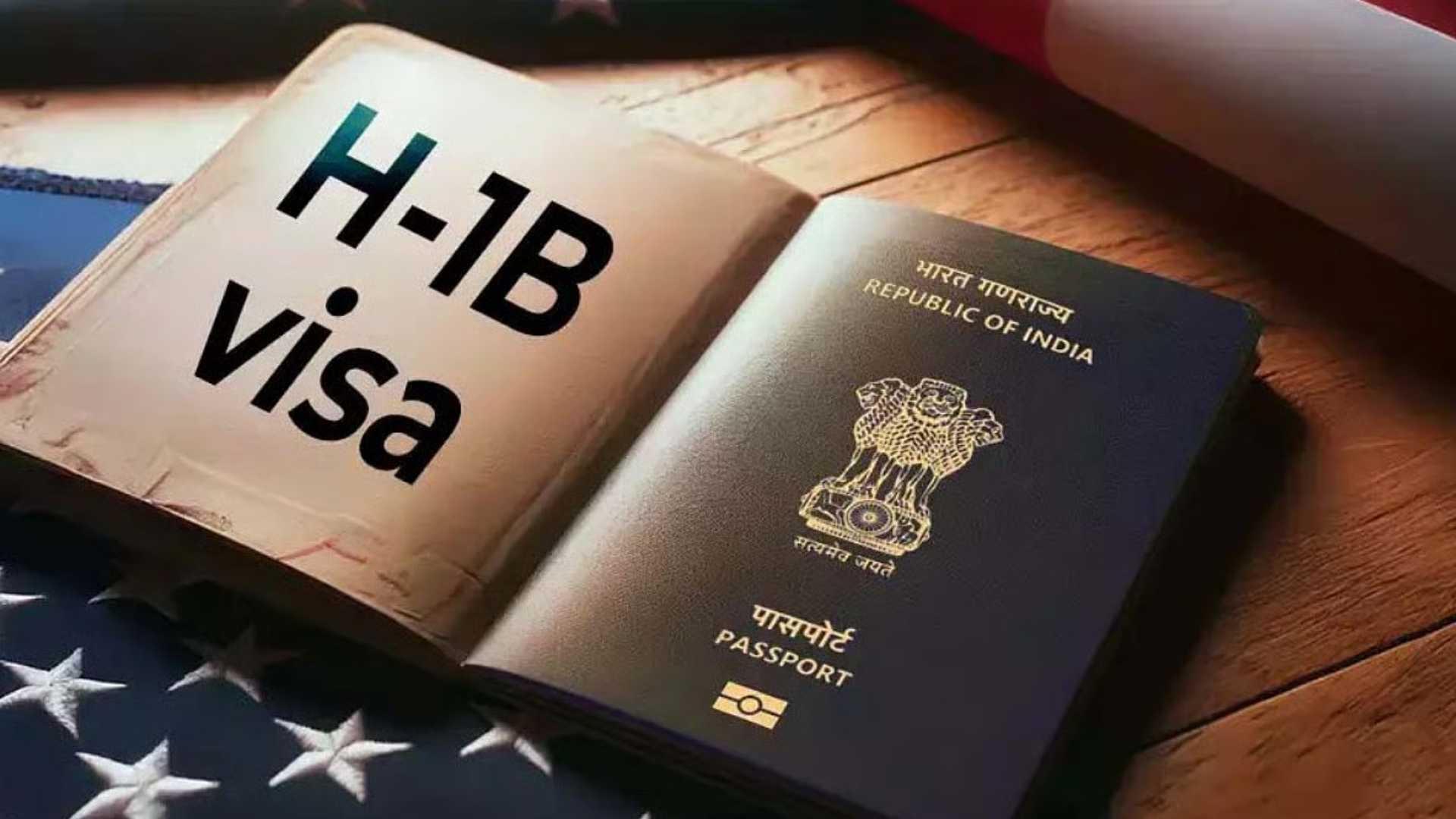
In recent weeks, a wave of uncertainty and frustration has swept through thousands of Indian professionals in the United States. Scheduled appointments for renewing their H-1B visas at U.S. consulates in India—primarily in Delhi and Mumbai—have been abruptly cancelled without clear explanation, leaving families in limbo, careers in jeopardy, and travel plans in disarray. This isn’t just an administrative hiccup; it’s a symptom of systemic bottlenecks, geopolitical priorities, and a post-pandemic backlog that continues to throttle the U.S. immigration system.
The Core of the Crisis: What’s Happening?
The H-1B visa is a non-immigrant visa that allows U.S. companies to employ foreign workers in specialized occupations. Typically, an H-1B is issued for up to three years and can be extended. However, for those needing to travel internationally, a valid visa stamp in the passport is required for re-entry to the U.S. This stamp is obtained at a U.S. consulate abroad, most often in the applicant’s home country.
In late 2023 and intensifying in early 2024, numerous applicants who had secured coveted interview slots—sometimes after months of waiting—received short-notice cancellations. The notifications offered vague reasons, citing “unforeseen circumstances” or “technical issues,” and automatically rescheduled appointments months later, often with no option for immediate rebooking. This has created a perfect storm of anxiety, particularly for those who had already made irreversible travel arrangements to India.
Root Causes: A Confluence of Systemic Challenges
The abrupt cancellations are not arbitrary but stem from a complex interplay of factors:
1. Overwhelming Backlog and Surge in Demand: The U.S. State Department is still digging out from the massive backlog created by the pandemic-era suspension of routine visa services. While efforts have been made to ramp up staffing, demand has skyrocketed. India is the single largest beneficiary of H-1B visas, accounting for nearly 73% of all such visas in recent years. The consulates in India are among the busiest in the world, processing a colossal volume of applications across all visa categories (students, tourists, workers). This sheer volume makes the system vulnerable to any disruption.
2. Diplomatic Prioritization and Resource Diversion: U.S. consulates have finite resources—interview windows, consular officers, and support staff. Visa services must be balanced with other diplomatic duties. There is strong evidence and reporting from sources like Reuters that the U.S. State Department has been diverting resources and personnel from other regions to handle specific global priorities. A major focus has been managing the surge in migrant encounters at the U.S.-Mexico border. To process asylum cases and other immigration procedures, officers are often temporarily reassigned from consular sections elsewhere, including India. This “robbing Peter to pay Paul” approach directly reduces the capacity to conduct visa interviews in locations like Delhi and Mumbai.
3. Peak Season and Operational Strain: The period from November to January is a peak travel season for the Indian diaspora, coinciding with holidays, weddings, and family visits. This seasonal spike in appointment requests strains the system to its limit. Any minor operational issue—from technical glitches in the appointment system to staff shortages due to illness or training—can cascade into widespread cancellations.
4. The “Dropbox” Limbo: Many applicants eligible for interview waivers (often those renewing the same visa category) use the “Dropbox” (Officially, the Interview Waiver Program) to submit documents without an in-person interview. However, these applications still undergo administrative processing. Reports suggest that even Dropbox submissions are facing extreme delays, with passports stuck in processing for months. This logjam in the back-end system likely contributes to front-end chaos, as the consulate struggles to manage the flow of both interview and interview-waiver cases.
The Human and Economic Toll
The impact of these cancellations is profound:
· Career and Family Rupture: H-1B holders are often key employees in U.S. companies, especially in tech, finance, engineering, and healthcare. Being stranded outside the U.S. means they cannot work, leading to lost income, potential job loss, and project disruptions for their American employers.
· Family Separation: Many travel with spouses on H-4 visas and children who may be U.S. citizens. A cancelled renewal can split families across continents, disrupting children’s schooling and causing significant emotional distress.
· Financial Loss: Non-refundable flight tickets, hotel bookings, and other travel arrangements result in direct financial losses. The indirect cost of unpaid leave or lost employment is far greater.
· Mental Anguish: The uncertainty and lack of clear communication from official channels create immense psychological stress, with individuals feeling powerless in a system that holds immense sway over their lives.
The Official Response and Systemic Silence
The U.S. Embassy and Consulates in India have acknowledged delays generally but have been circumspect about the specific cause of the mass cancellations. Their public advisories continue to urge applicants to expect long wait times and not to make final travel plans until they have both an appointment and their passport in hand with the new visa—a near-impossibility for many who need to plan trips to see family.
This lack of transparent, real-time communication exacerbates the problem. The official visa information website and customer service channels are often unable to provide case-specific updates, leaving applicants to rely on word-of-mouth and online forums for fragmented information.
Looking Ahead: Is There a Solution?
There is no quick fix. Addressing this crisis requires sustained, multi-faceted action:
· Increased and Permanent Staffing: The U.S. Congress must appropriate funds for permanent increases in consular officer and support staff positions at high-demand posts like India, moving beyond temporary surge measures.
· Process Modernization: Expanding the eligibility for interview waivers (Dropbox) for renewals could significantly reduce the interview load. Further digitization of document collection and preliminary checks could also improve efficiency.
· Clearer Communication: The State Department needs a more robust mechanism to communicate operational status and delays, reducing the “black box” nature of the process.
· Domestic Renewal Pilot as a Lifeline: In a significant development, the U.S. announced a pilot program in late 2023 to allow domestic renewal of H-1B visas for a limited number of applicants in 2024. If successful and expanded, this could be a game-changer, allowing workers to renew their visa stamps without leaving the U.S., thereby decongesting consulates abroad.
Conclusion
The abrupt cancellation of H-1B renewal appointments in India is more than a temporary inconvenience. It is a stark manifestation of a U.S. immigration infrastructure that is outdated, under-resourced, and unable to meet the demands of a globalized economy and a deeply interconnected Indo-American professional corridor. While geopolitical exigencies and seasonal pressures play a role, the recurring nature of this crisis points to a fundamental need for systemic overhaul. Until that happens, highly skilled professionals—integral to the U.S. innovation ecosystem—will continue to bear the brunt of this bureaucratic chaos, living and working under a cloud of perpetual uncertainty regarding their ability to simply visit home and return.
Discover more from AMERICA NEWS WORLD
Subscribe to get the latest posts sent to your email.