By_shalini oraon

What’s the Tea? Food Regulator Now Draws The Line
In India, a cup of tea is more than a beverage; it’s a ritual, a comfort, a catalyst for conversation, and an economic lifeline for millions. But what happens when the very authority meant to safeguard our plates and cups steps in to define this beloved brew? The recent draft notification by the Food Safety and Standards Authority of India (FSSAI) proposing to standardise “tea” has, quite expectedly, stirred the pot, sending ripples of surprise, confusion, and heated debate from Darjeeling’s misty slopes to Kerala’s bustling plantation towns. The regulator, it seems, is finally drawing a line in the teacup.
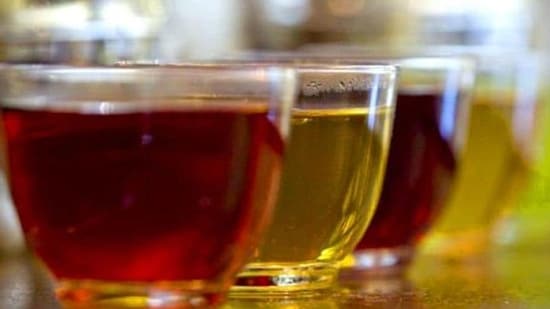
So, what’s the tea, exactly? According to the draft, for a product to be labelled and sold simply as “tea,” it must be derived solely from the leaves, buds, and tender stems of the Camellia sinensis plant. Any additions—herbs, flowers, spices, or flavours—would require clear upfront labelling such as “flavoured tea,” “blended tea,” or “herbal infusion.” This move, ostensibly to curb the sale of adulterated and misbranded products, aims to bring clarity and honesty to a market saturated with blends. The FSSAI’s spoon is diving into a brew long left to the subjective tastes of tradition and commerce.
The Spirit Behind the Stir: Consumer Protection vs. Market Realities
At its core, the FSSAI’s initiative is rooted in the fundamental principle of consumer protection. The average consumer buying a packet labelled “tea” has a right to expect a product made primarily from tea leaves. The market today is awash with products where tea is a minor component, overshadowed by inexpensive herbs, flowers, or artificial flavours, yet sold under the generic “tea” banner. This misleads consumers on taste, quality, and value. For instance, a cheap “cardamom tea” might contain minuscule amounts of both cardamom and tea, fleecing the buyer. By enforcing clear nomenclature, the regulator empowers consumers to make informed choices based on what they are actually purchasing.
Furthermore, this standardisation protects the integrity and economic value of India’s premier tea-growing regions. The geographical indication (GI) tags of Darjeeling, Assam, or Nilgiri teas represent not just a location but a specific quality and character. When blended willy-nilly with other ingredients and sold vaguely as “tea,” this unique value is diluted. The draft regulation can be seen as an effort to safeguard the intellectual property and premium status of India’s single-origin teas.
The Potential Storm in a Teacup: Challenges and Controversies
However, the path to a standardised cuppa is fraught with complexities. The first major point of contention is the deep-rooted culture of masala chai. The quintessential Indian street-side brew is almost never a pure Camellia sinensis infusion. It is a symphony of tea leaves, ginger, cardamom, cloves, and other spices, boiled with milk and sugar. Under the new rules, would every roadside vendor and household have to label their pot as “flavoured tea”? The practicality of enforcing this on India’s vast, informal chai ecosystem is a bureaucratic nightmare. It risks criminalising tradition and alienating the very people for whom tea is a daily staple.
The second concern targets the booming wellness and herbal tea industry. Products like chamomile, hibiscus, or lemongrass “teas”—which contain no tea leaves—are technically “herbal infusions” or “tisanes.” While the draft acknowledges this, forcing a nomenclature shift could disrupt a high-growth market built on consumer familiarity with the word “tea.” Brands fear confusion and resistance from customers accustomed to seeing “green tea with mint” or “herbal tea” on labels.
Thirdly, there is the question of creativity and market evolution. The global tea market has innovated far beyond the pure leaf, with artisanal blends of tea with rose petals, mango pieces, or bergamot (Earl Grey) being celebrated for their craft. Would calling all these “flavoured tea” diminish their perceived value? The line between a “blended tea” and a “flavoured tea” itself could become a new battleground for compliance.
The Bigger Picture: Transparency in a Blended World
Beyond the immediate uproar, the FSSAI’s move is part of a larger, global trend towards food transparency. From “juice” vs. “juice drink” regulations to standards for “chocolate” vs. “chocolate compound,” regulators worldwide are tightening definitions to combat “food fraud.” In an era where consumers are increasingly conscious of provenance and ingredients, clear labelling is not just legal compliance but a business imperative. Honest brands that already practice clear labelling stand to gain trust.
The draft notification, currently open for public comment and stakeholder feedback, is thus a starting point for negotiation, not a final decree. Its success will depend on a nuanced implementation that distinguishes between large-scale commercial misbranding and traditional, small-scale practices. The FSSAI must engage in extensive dialogue with the Tea Board of India, farmer associations, small vendors, and major brands to create a framework that protects without strangling.
Conclusion: Awaiting the Final Brew
The FSSAI drawing a line on tea is a symbolic moment. It represents the collision of regulatory modernisation with cultural legacy, of global standards with local realities. While the intention to cleanse the market of deceptive practices is laudable, the execution must be steeped in sensitivity and pragmatism.
The ultimate goal should be a win-win: a market where a consumer can confidently buy a packet of “Assam Tea” knowing it’s pure, while also enjoying a “Tulsi Ginger Infusion” or a “Masala Chai Blend” with full awareness of what’s inside. The “tea” must remain on the label, but its context can be clarified. As the debate brews, one thing is certain: the humble cup of tea has become the unlikely centrepiece of a crucial conversation about authenticity, tradition, and transparency in what we consume. The final notification will reveal whether the regulator has managed to serve a perfect blend of order and culture, or if it has, in fact, boiled over.
Discover more from AMERICA NEWS WORLD
Subscribe to get the latest posts sent to your email.