By Suraj Karowa/ANW
November 22, 2025 – Seattle, WA

Bird flu has been infecting wild birds around the world for decades, but the latest US outbreak started in January 2022 and has featured more spread among mammals than in past years.
In a chilling escalation of the ongoing avian influenza outbreak, health officials in Washington State announced Friday the death of an elderly resident from complications linked to H5N5 bird flu—a strain unprecedented in human infections worldwide.
This marks the second fatal human case of bird flu in the U.S. since the outbreak’s onset in early 2022, reigniting concerns over the virus’s evolving threat to public health.
The victim, whose identity has not been disclosed out of respect for privacy, was an older adult with pre-existing health conditions. Admitted to a Seattle-area hospital in late October, the patient battled severe respiratory distress and multi-organ failure before succumbing on November 18.
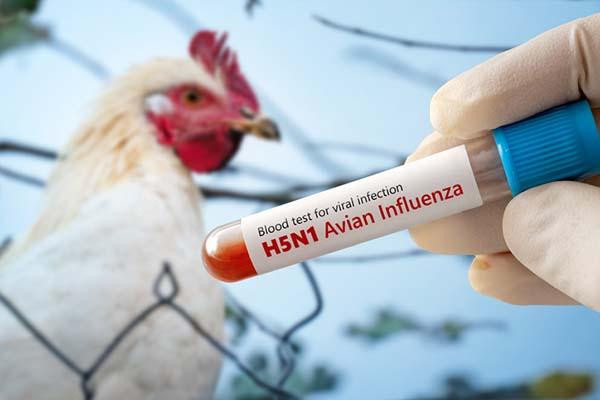
State epidemiologists confirmed the H5N5 infection through advanced genomic sequencing, revealing a mutation that experts say likely jumped from domestic poultry to humans.
“This is a sobering reminder of how bird flu continues to adapt,” said Dr. Umair Shah, Washington State Secretary of Health, during a press briefing.
“While the immediate risk to the broader population remains low, we’re mobilizing resources to trace exposures and bolster surveillance.”
The case breaks a nine-month lull in U.S. human infections, the last reported in February 2025 among a Louisiana poultry worker.
Since January 2022, the highly pathogenic avian influenza (HPAI) H5 clade has ravaged wild bird populations globally, culling over 100 million poultry in the U.S. alone and spilling over into mammals, including dairy cows, seals, and now this novel human strain.
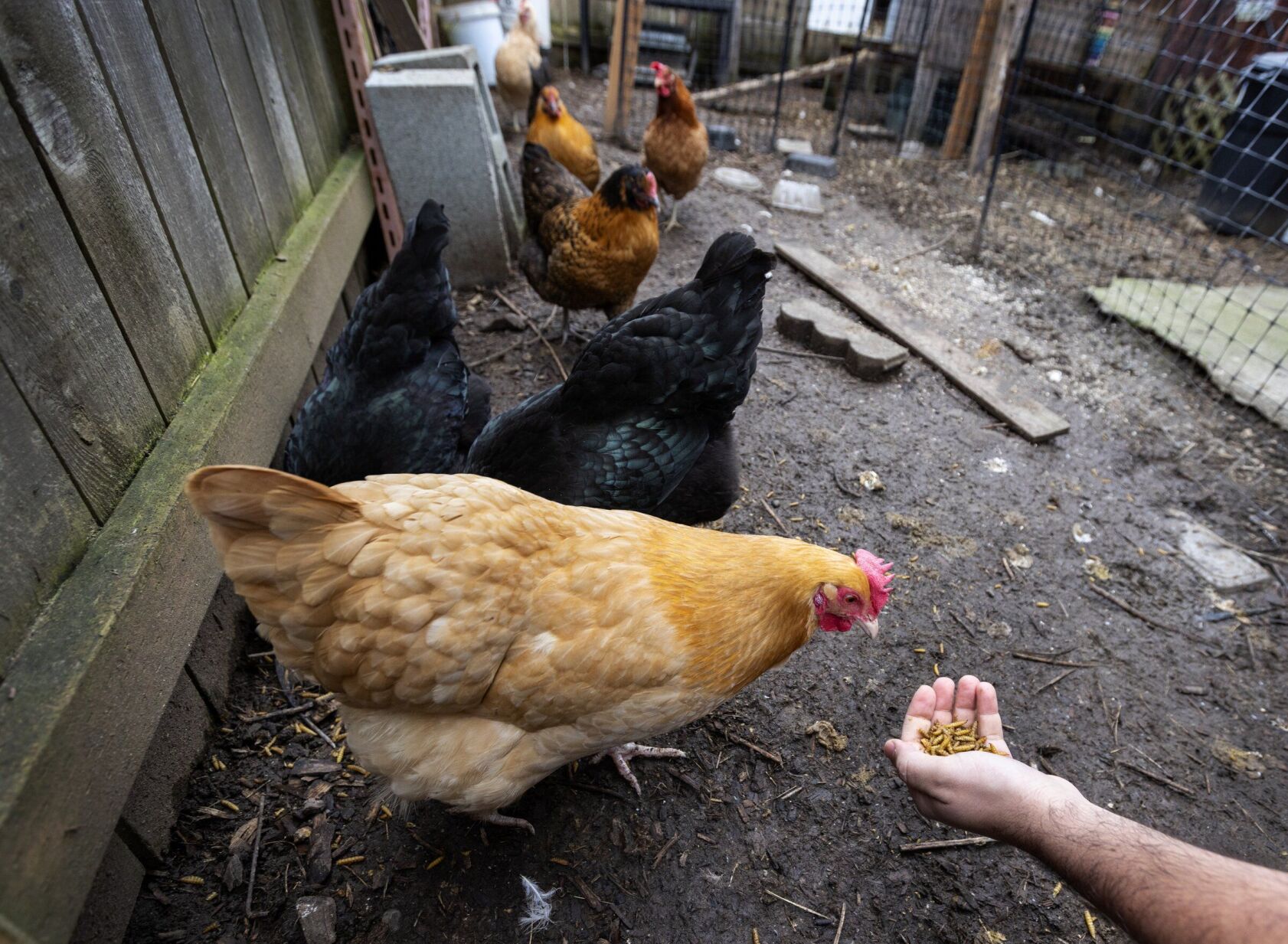
Investigators pinpoint the source to the patient’s backyard flock of mixed domestic birds—chickens, ducks, and geese—housed on a rural property near Tacoma.
Environmental swabs from the coop and surrounding soil tested positive for H5N5, suggesting the virus infiltrated via wild migratory birds, a common vector in the Pacific Northwest’s wetland corridors.
No commercial farm ties were found, easing fears of widespread agricultural contamination.
Contact tracing efforts have screened 47 individuals, including family members, healthcare workers, and neighbors who assisted with bird care.
As of Saturday morning, all tests returned negative, and no signs of human-to-human transmission emerged—a critical relief, as sustained person-to-person spread could herald a pandemic.
The Centers for Disease Control and Prevention (CDC) echoed the low-risk assessment in an updated advisory.
“H5N5’s debut in humans underscores the need for vigilance, but current data shows limited adaptation for efficient human replication,” said Dr. Nirav Shah, CDC Director.
The agency reported 71 prior U.S. human cases tied to the 2022 outbreak, mostly mild conjunctivitis or flu-like symptoms among those with occupational exposures.
Demographics paint a clear picture: 41 infections among dairy and livestock handlers, 24 in poultry processing plants, and four linked to miscellaneous animal contacts.
Three cases remain enigmatic, with no identifiable exposure. The lone prior U.S. fatality occurred in January 2025—a 78-year-old Oregon retiree with comorbidities who contracted H5N1 after handling infected wild geese.
Globally, bird flu’s mammalian incursions have alarmed virologists. Since 2022, H5N1 has felled sea lions in South America, foxes in Europe, and even a handful of U.S. zoo tigers.
Human cases worldwide number over 900, with 52% mortality in confirmed instances, though underreporting skews figures.
H5N5, a reassortant strain blending H5 and N5 genes, surfaced in East Asian poultry in 2023 but evaded human detection until now.
Experts attribute the surge to ecological shifts: Climate-driven bird migrations compress timelines, packing viruses into denser flocks.
Warmer winters have prolonged survival of pathogens in waterfowl, while habitat loss funnels wildlife into human-adjacent areas.
“Backyard flocks are a growing vulnerability,” noted Dr. Marion Pepper, an avian epidemiologist at the University of Washington.
“They’re unregulated sentinels—intimate contact without biosecurity.”
Response measures are ramping up.
Washington declared a limited state of emergency, allocating $2.5 million for expanded testing kits and mobile clinics in rural counties.
The USDA culled the deceased’s flock and depopulated adjacent properties as a precaution, compensating owners under federal aid programs.
Nationally, the CDC is fast-tracking H5N5 vaccine candidates, building on mRNA platforms proven against H5N1.
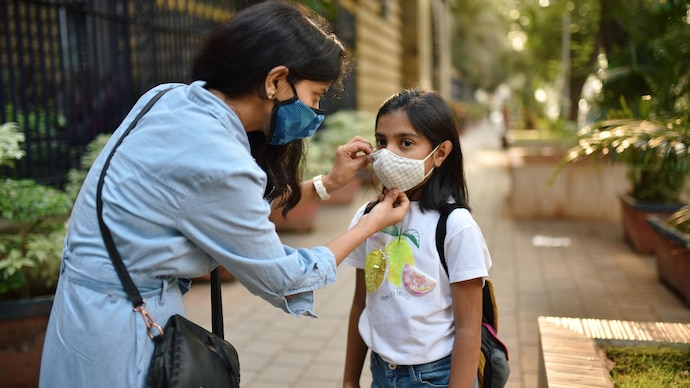
Public health messaging emphasizes prevention: Protective gear—N95 masks, goggles, gloves—for animal workers; handwashing after outdoor activities; and steering clear of sick wildlife.
Bird feeders should be disinfected weekly, officials urge, to curb fecal-oral transmission.
Flu vaccination, while ineffective against avian strains, is strongly recommended to mitigate co-infection risks that could spur mutations.
“The dual-flu scenario is our nightmare fuel,” said Dr. Pepper. “Seasonal shots buy us a buffer against viral recombination.”
This incident coincides with flu season’s ominous prelude. Preliminary data suggest a severe human influenza wave, compounded by lagging vaccination rates—down 15% from 2024 amid vaccine hesitancy.
In Washington, only 42% of seniors are immunized, per state trackers.
Broader ripples extend to food security.
Egg prices, already volatile, spiked 8% post-announcement, as consumers stockpiled amid unfounded scarcity fears.
Poultry giants like Tyson Foods reaffirmed supply chain integrity, but analysts predict short-term disruptions if wild bird die-offs intensify.
Internationally, the World Health Organization convened an emergency panel Saturday, classifying H5N5 as a “virus of high pandemic potential.”
Collaborations with China and South Korea, where the strain first emerged, aim to sequence variants and share antivirals like oseltamivir.
As Thanksgiving approaches, families are advised to source birds from inspected suppliers and cook thoroughly—avian flu dies at 165°F.
Yet, the holiday’s migratory bird themes feel prescient: Turkeys on tables, geese overhead, a virus lurking in the skies.
For the loved ones left behind, grief compounds with questions. “This wasn’t just a bird flu case; it was a life intertwined with nature’s rhythms,” reflected a community neighbor, who helped tend the flock.
Support groups for affected families are forming, blending mourning with advocacy for better rural health infrastructure.
In the end, H5N5’s arrival isn’t mere misfortune—it’s a clarion call. As birds wheel southward, so does the imperative: Adapt, or perish in the flock.
Discover more from AMERICA NEWS WORLD
Subscribe to get the latest posts sent to your email.