
By Manisha Sahu | America News World
January 06,2026
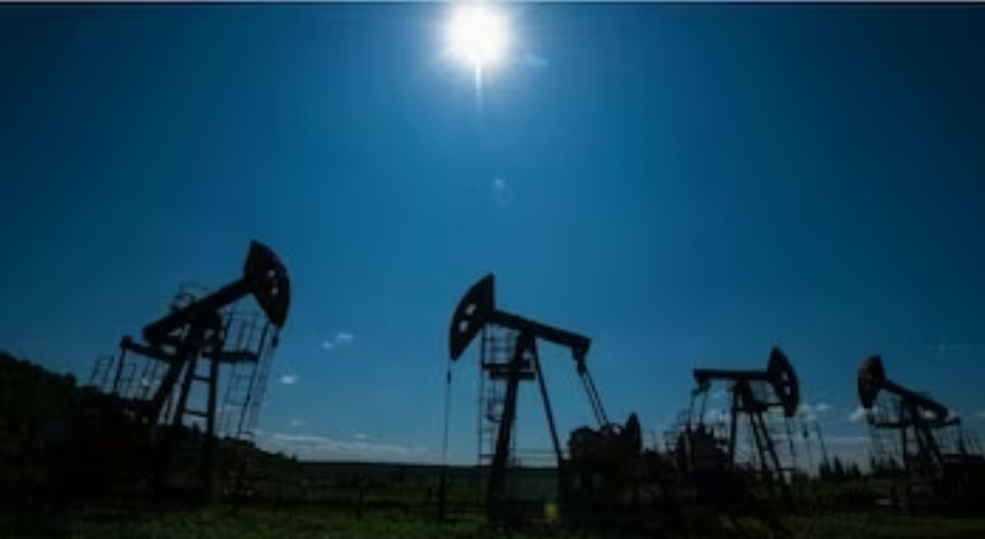
The possibility of a US-led revival of Venezuela’s oil sector is emerging as a significant development in global energy markets, with potential ripple effects for major consumers such as India. Analysts believe that if US sanctions on Venezuela are eased and American oil companies return to the South American nation, Venezuelan crude could once again find its way into Indian refineries, offering New Delhi greater flexibility in its crude sourcing strategy.

Venezuela has not paid OVL USD 536 million in dividends owed on its 40% stake in the field up to 2014, along with a similar amount for the years that followed. For the later period, Caracas has denied audit approvals, effectively stalling the settlement of these claims.
Venezuela, home to the world’s largest proven oil reserves, has seen its oil industry collapse over the past decade due to mismanagement, underinvestment, and stringent US sanctions. The country’s national oil company, Petróleos de Venezuela SA (PdVSA), remains the majority stakeholder in key oil assets such as the San Cristobal and Carabobo-1 projects. However, industry experts say PdVSA could undergo major restructuring if Washington deepens its involvement, potentially opening the door to foreign investment and operational reform.
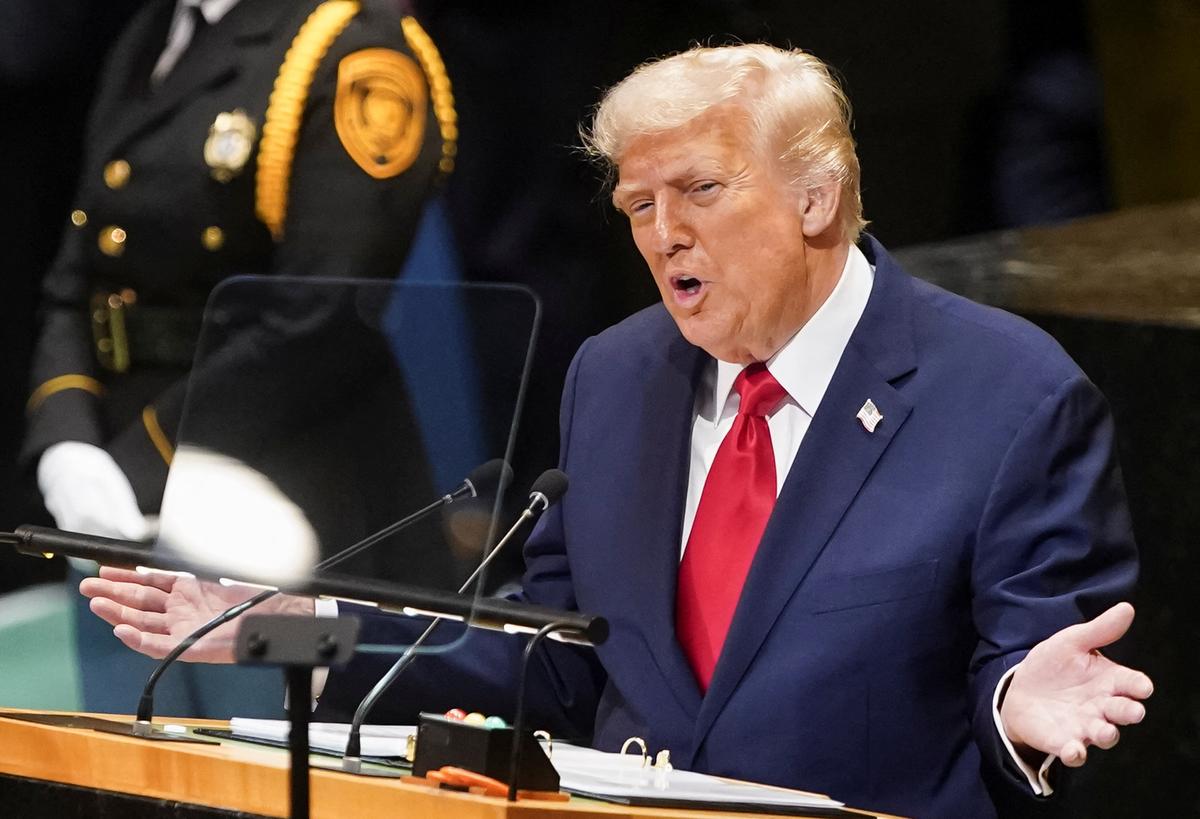
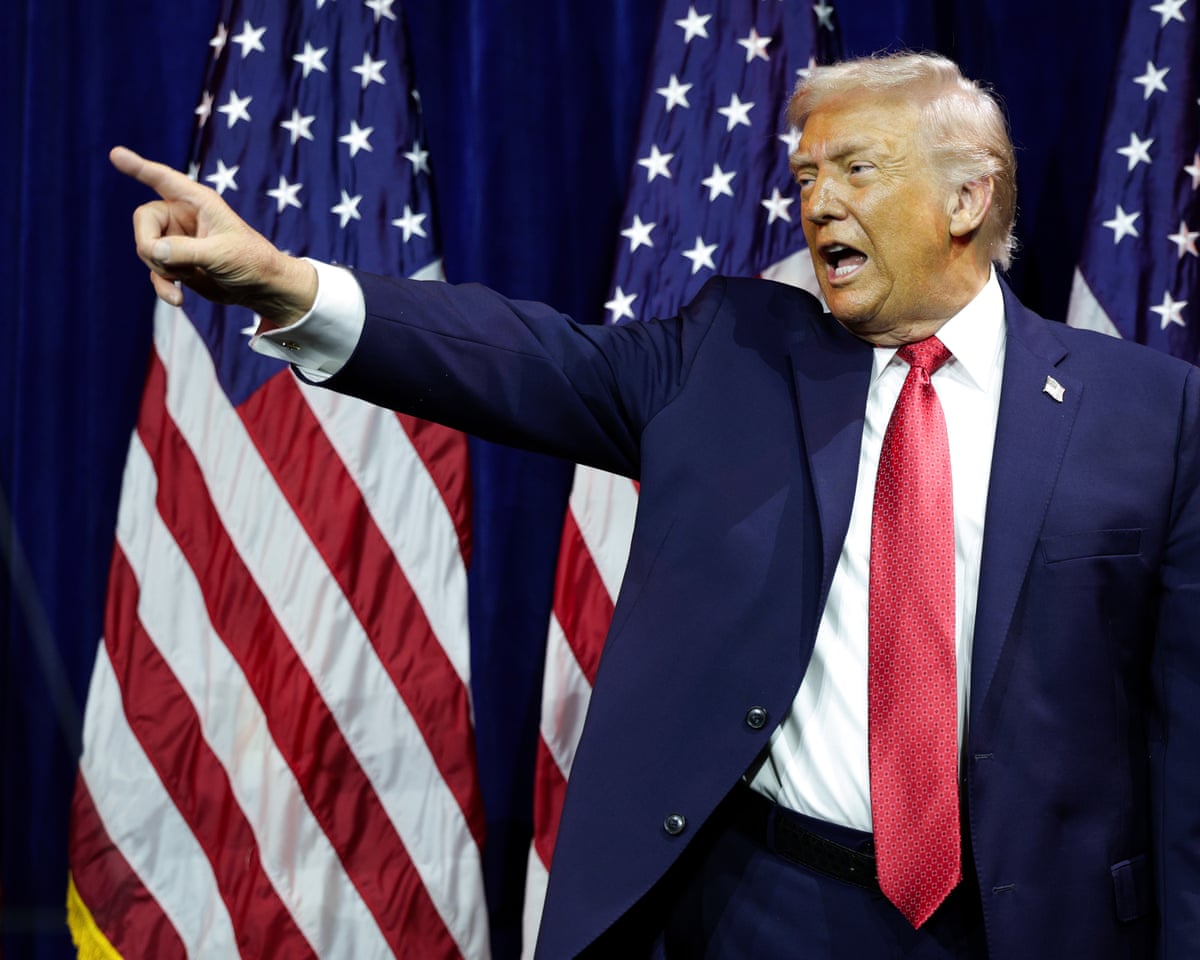
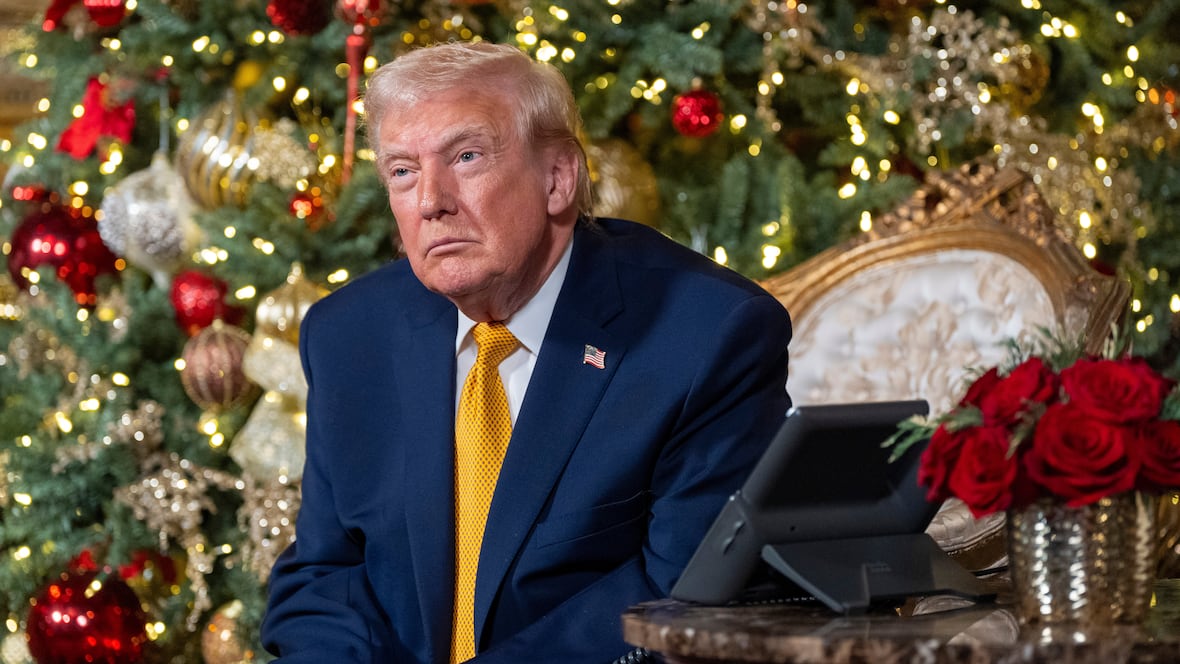
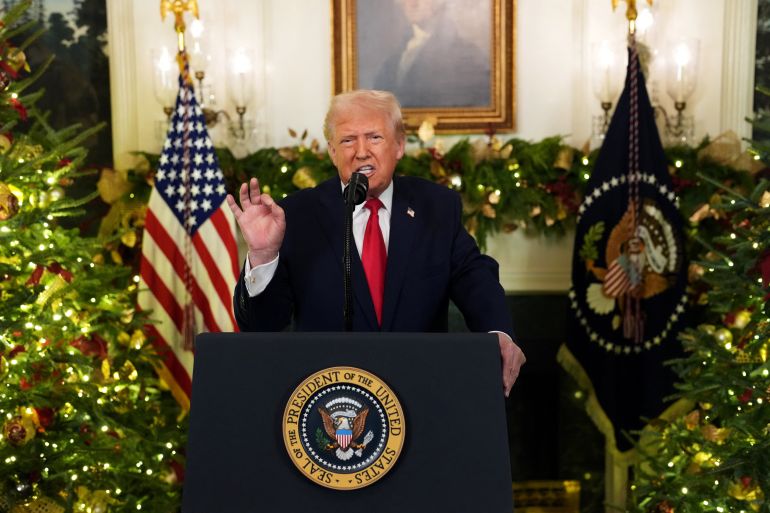
US President Donald Trump has recently indicated that major American oil companies could return to Venezuela to help refurbish its degraded oil infrastructure. While US firms may lead such an effort, analysts note that international partners will remain crucial. Companies like India’s ONGC Videsh Limited (OVL) are seen as valuable partners, not only for their technical expertise but also for their access to large and stable markets such as India.
According to market observers, easing sanctions could rapidly restore trade flows, drawing parallels with past geopolitical episodes. “If sanctions are eased – as seen in past geopolitical episodes, such as Panama in 1990, when aid and trade restrictions were lifted shortly after the removal of General Manuel Noriega – trade flows can resume rapidly,” said Nikhil Dubey, Senior Research Analyst at global energy analytics firm Kpler, in a recent LinkedIn post. “Under such circumstances, Venezuelan barrels could again return to Indian refineries.”
India’s refining sector is particularly well positioned to absorb Venezuelan crude. Major refiners such as Reliance Industries, Nayara Energy, Indian Oil Corporation (IOC), HPCL-Mittal Energy, and Mangalore Refinery and Petrochemicals Ltd (MRPL) are equipped to process heavy and sour crude grades — a category in which Venezuelan oil fits squarely. Before sanctions disrupted trade, Indian refiners were among Venezuela’s key customers.
India’s interest in Venezuelan crude is also shaped by broader geopolitical and economic considerations. New Delhi has been actively diversifying its crude oil imports to reduce overdependence on any single supplier. In recent years, Russian oil emerged as a major component of India’s import basket due to discounted prices following the Ukraine conflict. However, amid ongoing India-US trade discussions, reducing exposure to Russian barrels has become an important theme.
“India is actively diversifying its crude basket – not only to reduce its dependence on Russian oil, but also amid ongoing India-US trade discussions, where lowering exposure to Russian barrels remains a key theme,” Dubey noted. “In that context, if sanctions on Venezuela are eased, Venezuelan crude could offer additional flexibility to Indian refiners and help ease supply concentration risks.”
The scale of Venezuela’s decline underscores the potential upside of a revival. Before 2019, the country exported around 707 million barrels of crude annually, with the United States, China, and India accounting for the bulk of purchases. By 2025, exports had fallen sharply to about 352 million barrels per year, with China emerging as the dominant buyer. India’s imports dropped to near zero after sanctions made payments and shipping increasingly complex.
Analysts believe that a US-directed overhaul of Venezuela’s oil sector — backed by fresh capital, advanced technology, and stronger operational discipline — could significantly lift production within a relatively short period. Some estimates suggest that output could rise meaningfully within a year, adding much-needed supply to global markets that remain vulnerable to geopolitical disruptions in the Middle East and Eastern Europe.
For India, renewed access to Venezuelan crude would carry strategic advantages. It would provide an alternative to Middle Eastern oil, reduce exposure to regional conflicts and shipping risks, and strengthen India’s bargaining power in price negotiations with existing suppliers. Diversification has long been a cornerstone of India’s energy security policy, and Venezuela’s heavy crude fits neatly into that framework.
“Indian refiners are structurally configured for Venezuelan heavy crude,” said a former oil executive familiar with refinery operations. “If production rises and payments normalise, trade can restart almost immediately.”
However, challenges remain. Any easing of sanctions would likely be gradual and conditional, tied to political developments within Venezuela. Infrastructure damage, skilled manpower shortages, and years of underinvestment will also take time to address. Moreover, PdVSA’s financial health and governance structure will be closely scrutinised by potential partners.
Despite these uncertainties, the broader implications are clear. A revival of Venezuelan oil production, facilitated by the US and supported by international partners, could reshape energy trade patterns. For India, it represents not just a return to a familiar supplier, but an opportunity to strengthen energy security at a time of heightened global uncertainty.
As global energy markets watch Washington’s next moves on Venezuela, Indian refiners and policymakers are likely to keep a close eye on developments. If sanctions ease and production rebounds, Venezuelan crude could once again flow eastward — marking a significant shift in the global oil landscape and offering India a valuable new lever in its energy diplomacy.
Discover more from AMERICA NEWS WORLD
Subscribe to get the latest posts sent to your email.

![Smoke rises after Israeli strikes in Beirut's southern suburbs, on March 2 [Mohamad Azakir/Reuters]](https://america112.com/wp-content/uploads/2026/03/hgh.webp)

























drover sointeru
Some really prize blog posts on this web site, saved to bookmarks.