By Manisha Sahu | America News World
Published: December 4, 2025
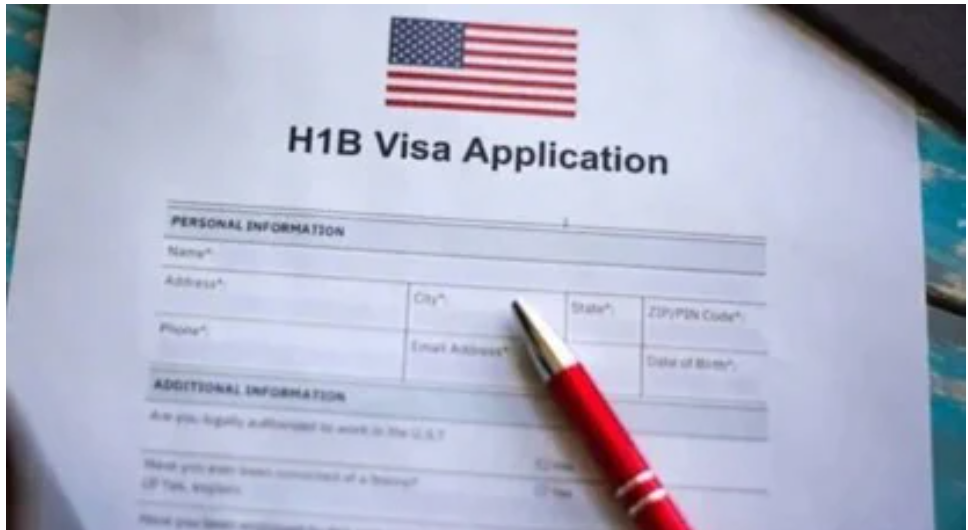
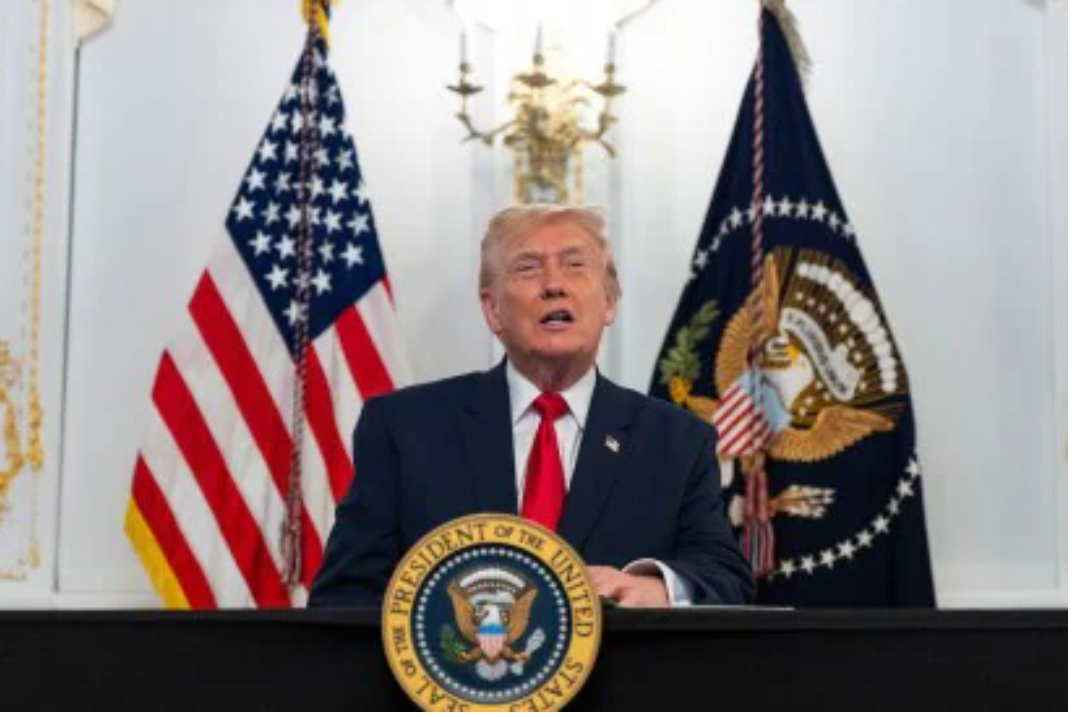
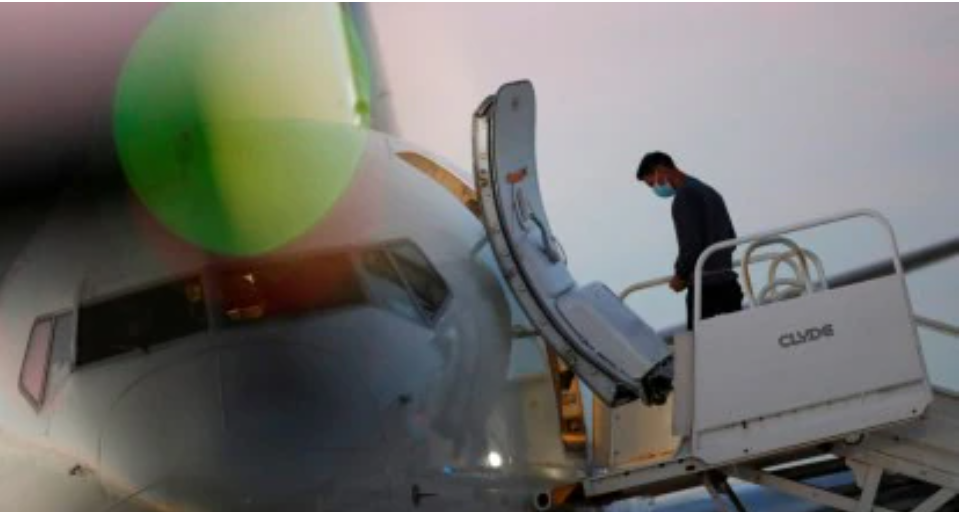
The Trump administration has introduced a sweeping new screening policy for H-1B visa applicants, directing U.S. consular officials around the world to conduct deeper background checks—including reviewing LinkedIn profiles and resumes—before issuing visas to high-skilled foreign workers. The directive, delivered through a State Department cable dated December 2, marks one of the most extensive expansions of visa vetting procedures in recent years.

H-1B visas are vital for U.S. tech companies, which hire large numbers of skilled workers from countries like India and China.
H-1B visas are relied upon heavily by global technology companies, especially in the United States, which recruit tens of thousands of engineers, researchers, and IT professionals from countries such as India and China. The new mandate is expected to significantly impact these sectors, which already face long processing times and heightened scrutiny.
LinkedIn and Resume Screening Now Mandatory
According to the cable, consular officers must now examine publicly available professional profiles, including LinkedIn, or the resumes of applicants and their accompanying family members. The goal, the administration says, is to identify whether any applicant previously worked in fields linked to content moderation, fact-checking, disinformation monitoring, online safety operations, or compliance roles at technology or media platforms.
These areas, the Trump administration claims, fall under activities that could be interpreted as restricting or influencing free speech—an issue the administration has placed at the center of its foreign and domestic policy agendas.
The cable instructs officials that if evidence emerges showing an applicant was “responsible for, or complicit in, censorship or attempted censorship of protected expression in the United States,” that applicant should be deemed ineligible under specific provisions of the Immigration and Nationality Act (INA). This could result in an immediate visa denial.
Free Speech as a Foreign Policy Priority
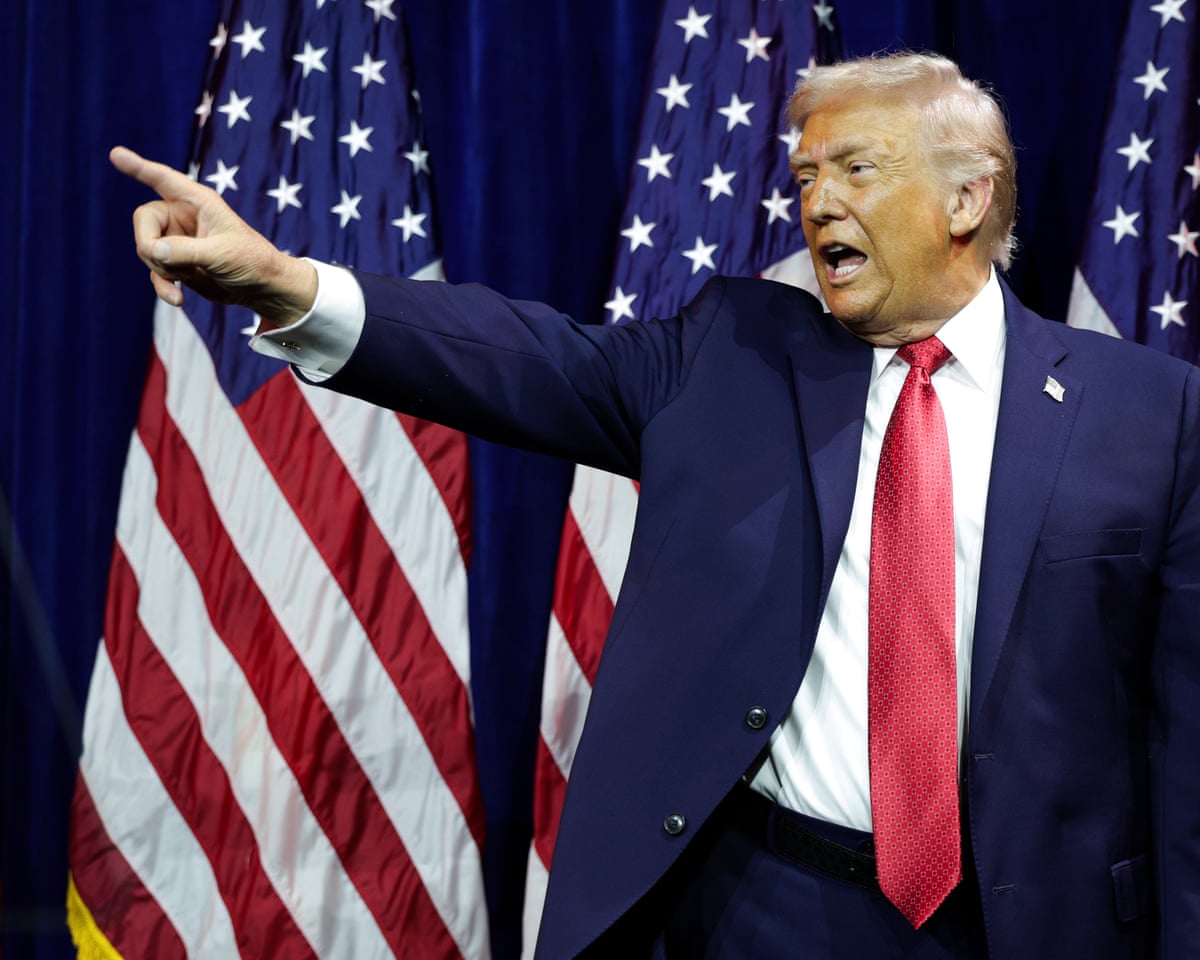
President Donald Trump’s second administration has repeatedly stated that protecting free speech—particularly online—is a top priority. Senior members of the administration, including Secretary of State Marco Rubio, have warned that foreign nationals who participate in “censorship of American speech,” particularly on major social media platforms, could face visa restrictions or bans.
In May, Rubio publicly cautioned that the U.S. would no longer overlook the involvement of foreign employees who may have engaged in suppressing online expression. Wednesday’s directive formalizes that stance, embedding it into the visa review process at American embassies and consulates worldwide.
“The U.S. will not issue visas to those who censor Americans, whether through tech systems, content review, or manipulation of digital spaces,” Rubio declared earlier this year. The new policy now operationalizes that message at the ground level.
Tech Companies Concerned About Workforce Impact
Technology companies—many of which depend heavily on H-1B workers—are watching the new measures closely. Firms in Silicon Valley, Seattle, Austin, and across the East Coast employ significant numbers of H-1B visa holders, especially from India, which accounts for well over 70 percent of annual approvals.
Paradoxically, many of the company founders and CEOs who supported Trump’s presidential campaign now face potential workforce disruptions due to the administration’s stricter vetting processes.
Several U.S.-based firms rely on data analysts, content policy teams, fact-checkers, and safety experts, many of whom are foreign-born. These roles are directly cited in the cable as fields requiring heightened scrutiny. Lawyers warn that even indirect involvement in online safety or misinformation monitoring could lead to visa delays or denials.
Policy Applies to New and Returning H-1B Applicants
The State Department clarified that the enhanced vetting will apply not only to first-time H-1B applicants but also to those seeking renewals, extensions, or transfers. This extends the impact far beyond new hires and could affect employees who have lived in the United States for years and are attempting standard extensions.
“You must thoroughly explore their employment histories to ensure no participation in such activities,” the cable instructs consular officers, emphasizing an exhaustive review of professional roles, job descriptions, and duties.
The directive also notes that while all visa categories remain subject to vetting, the H-1B program requires additional scrutiny because of its concentration within the U.S. technology landscape. It specifically cites social media platforms and financial services companies as entities “involved in the suppression of protected expression.”
Free Speech, Censorship, and the Political Debate
The Trump administration’s decision appears to reflect an ongoing national debate over the moderation of online content. Conservative lawmakers and commentators have long argued that tech companies disproportionately suppress certain political viewpoints. In contrast, tech companies maintain that content moderation is crucial for preventing the spread of harmful misinformation, hate speech, and foreign propaganda.
By tying visa eligibility to participation in content oversight roles, the administration has merged immigration policy with debates about free speech and social media regulation. Critics argue that this could deeply impact the global workforce that keeps U.S. tech systems running.
Supporters of the move claim the policy will discourage foreign workers from participating in what they call “censorship practices” targeting Americans.
H-1B Program at a Turning Point
The new vetting policy represents another shift in the already-highly debated H-1B visa program. In recent years, the program has faced constant policy changes, from wage-level requirements to cap-lottery reforms. Advocates warn that stricter requirements could push skilled workers toward Canada, the U.K., Australia, and other countries competing for global tech talent.
For now, immigration attorneys expect delays at U.S. embassies, increased administrative processing, and a rise in denials tied to the new criteria. Applicants employed in content moderation, misinformation review, cybersecurity analysis, or compliance roles may face the highest risk.
The State Department has not clarified whether appeals or waivers will be available for individuals accused of participating in “censorship,” nor has it specified whether prior employment in such roles will automatically result in a denial.
What Happens Next?
With the new directives now active at U.S. missions worldwide, applicants and employers must prepare for detailed questioning, deeper background checks, and increased documentation demands. Immigration advisors recommend that applicants update their online profiles to ensure accuracy and be ready to explain job duties clearly.
As the global tech industry braces for potential disruptions, the Trump administration maintains that the new requirements are essential to safeguarding American values.
For thousands of skilled workers—and the companies that rely on them—the coming months may determine how deeply this policy reshapes the future of high-skill immigration to the United States.
Discover more from AMERICA NEWS WORLD
Subscribe to get the latest posts sent to your email.












![Smoke rises after Israeli strikes in Beirut's southern suburbs, on March 2 [Mohamad Azakir/Reuters]](https://america112.com/wp-content/uploads/2026/03/hgh.webp)