
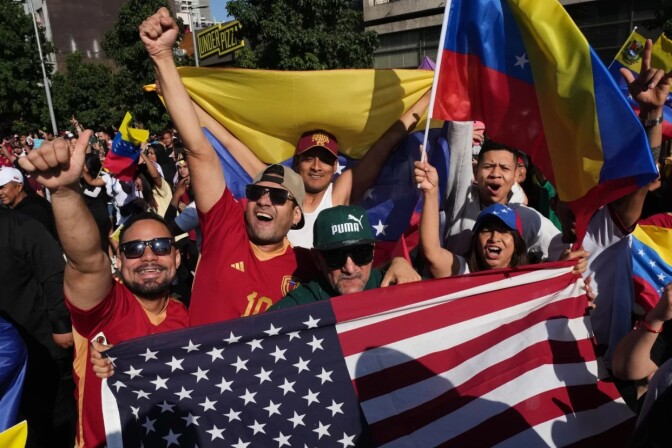
By_shalini oraon

A LIVE Update on Venezuela: More Theater Than Invasion (For Now)
Disclaimer: This is a developing news analysis piece. The situation is fluid, and information from all sides must be critically evaluated. As of this writing, there is NO evidence of an imminent, large-scale US military attack on Venezuela. The “US attacks Venezuela LIVE” framing is a dramatic and potentially misleading headline, likely stemming from heightened rhetoric and a long-standing information war.
Here is a breakdown of the current, tense situation.
The Headline-Making Provocation
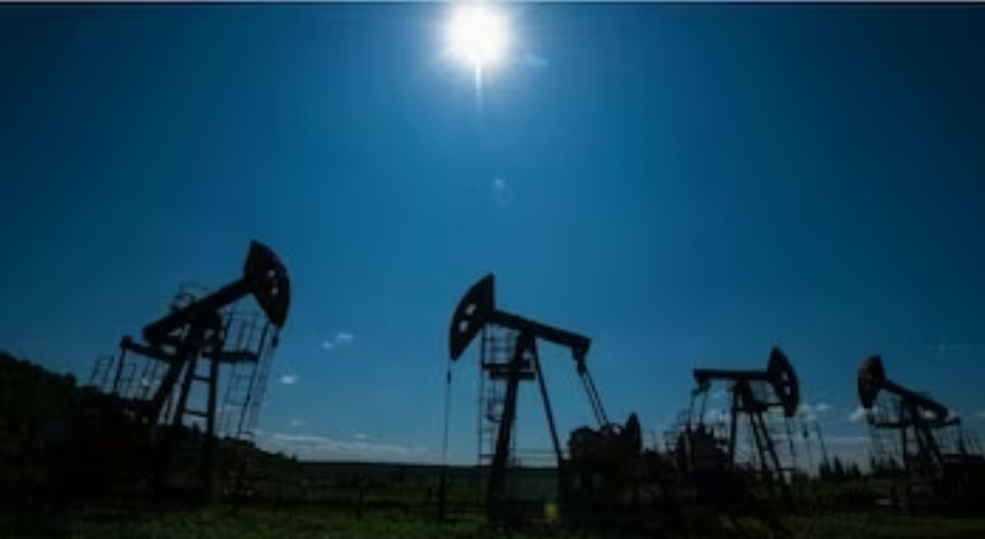
The dramatic tension stems from recent, highly provocative actions by the Venezuelan government of Nicolás Maduro. On April 29th, 2024, Maduro announced he would hold a “sovereign and binding” referendum to annex the oil-rich Essequibo region of neighboring Guyana—a territory internationally recognized as Guyanese but claimed by Venezuela for over a century. In a significant escalation, he ordered the Venezuelan state oil company, PDVSA, to immediately begin issuing licenses for oil, gas, and mineral exploration in the disputed maritime and land area.
This move violates international law, the ongoing International Court of Justice (ICJ) process on the border dispute, and directly threatens the economic survival of Guyana, which has recently become a major oil producer thanks to discoveries in the very waters Venezuela now claims. The US, the UK, regional bodies like CARICOM, and Brazil have all condemned this escalation and reaffirmed support for Guyana’s sovereignty.
The “Interim Leader” and the Trump Invitation
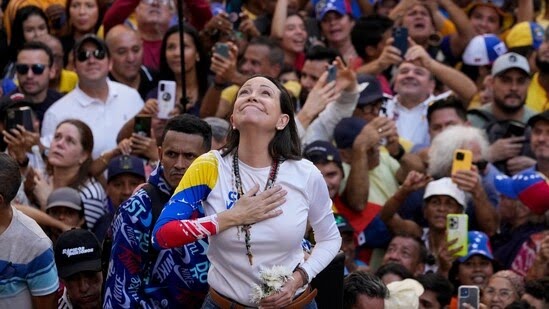
Enter Juan Guaidó. From 2019 to the end of 2022, Guaidó was recognized by the United States, the European Union, and dozens of other nations as the legitimate “interim president” of Venezuela, following Maduro’s disputed 2018 re-election. While that coordinated international recognition has largely collapsed, with many countries reverting to dealing with Maduro’s government in hopes of securing oil and managing migration, Guaidó and his parallel institutions still exist in a political and diplomatic limbo.
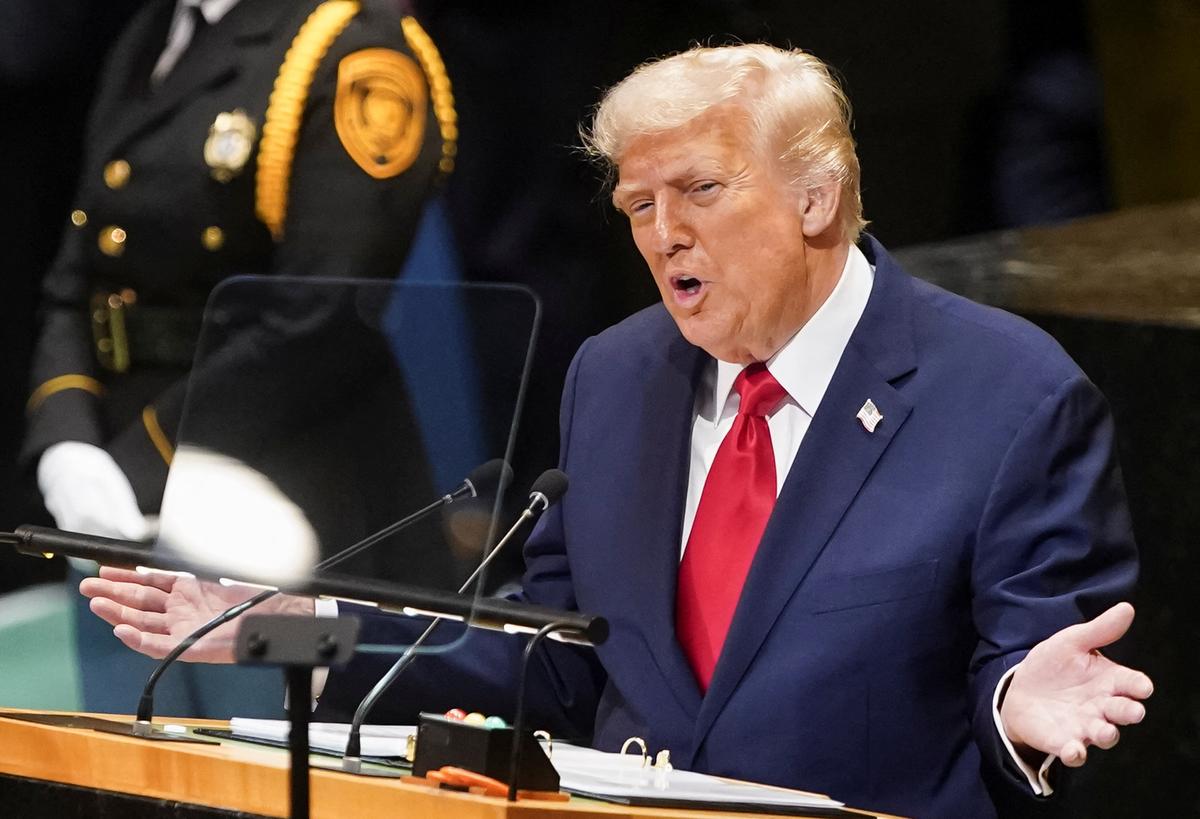
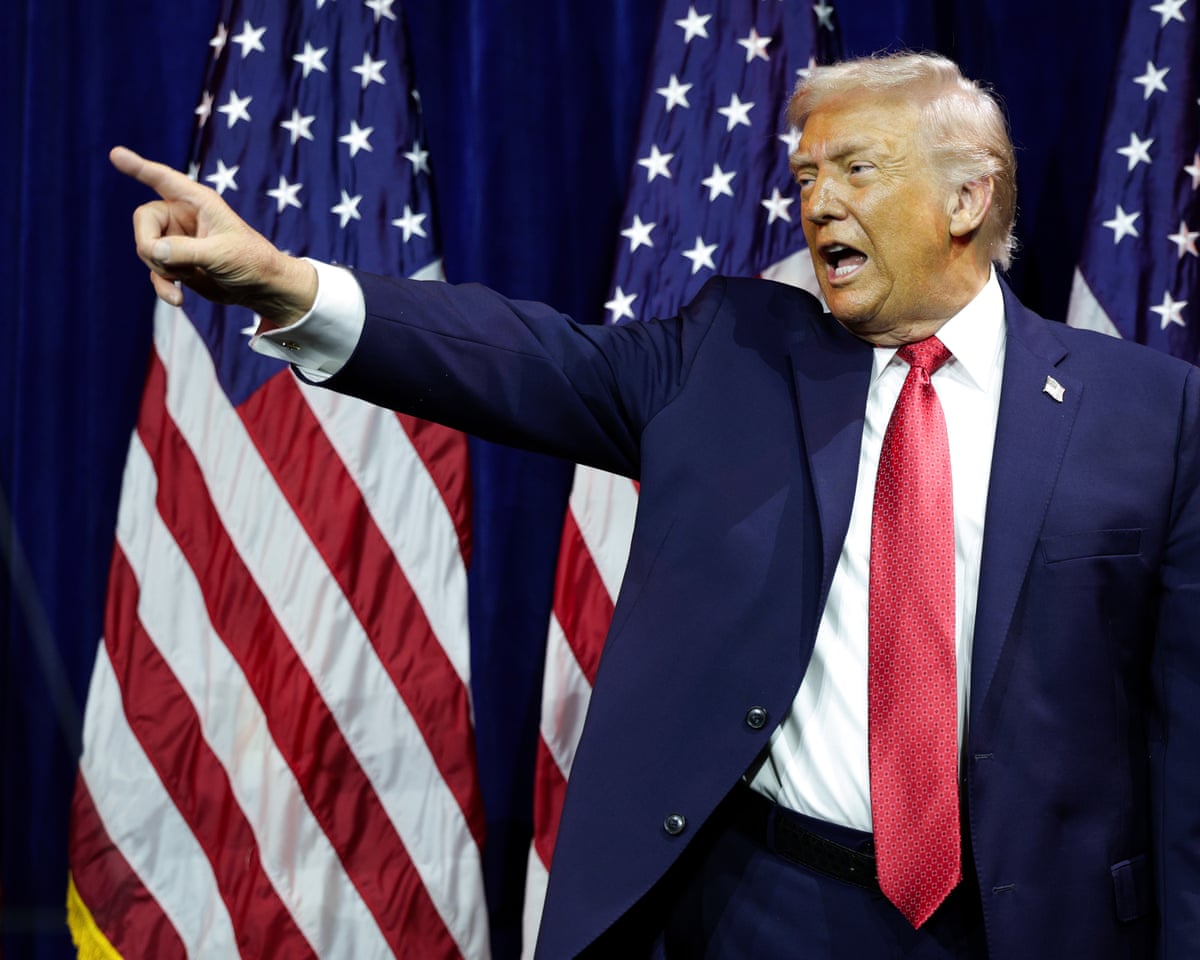
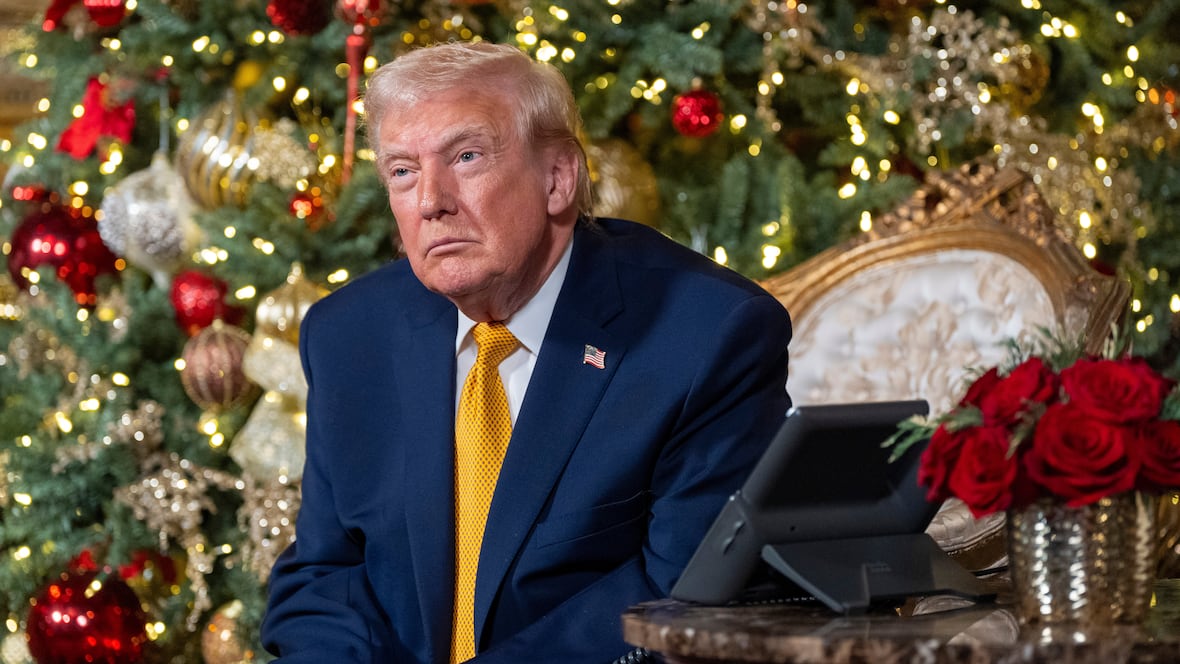
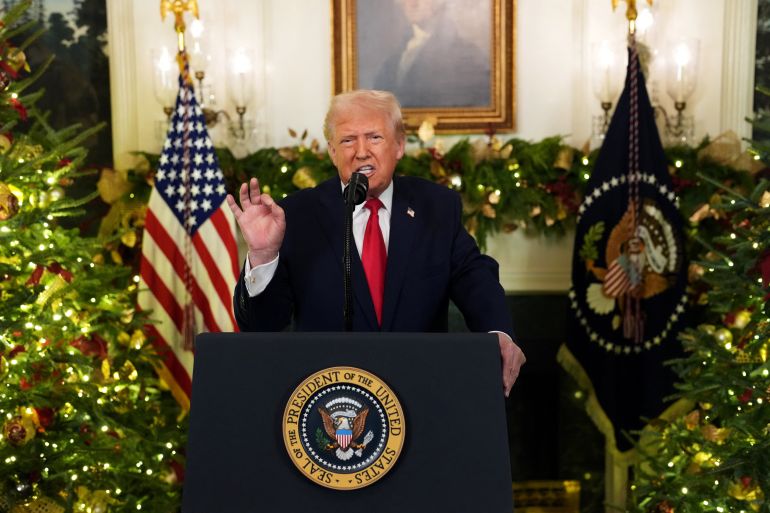
Guaidó’s recent statement, “inviting” former President Donald Trump to “collaborate” and seeking “respectful” ties, is a strategic move from this position of diminished influence. Its objectives are multifaceted:
1. Re-igniting Attention: It is a direct attempt to thrust the Venezuelan opposition back into the US political spotlight, especially during a US election year where foreign policy is a key issue.
2. Appealing to a Specific Audience: The message is tailored for Trump’s base and the former president himself. It frames the issue in Trumpian terms: a strongman (Maduro) is stealing resources (oil) from a neighbor, and only decisive, “America First” action can stop it. Guaidó is offering himself as the vessel for that action.
3. Creating a Contrast: By speaking of “respectful” ties, Guaidó implicitly critiques both Maduro’s authoritarianism and the Biden administration’s current policy of limited engagement and sanctions relief in exchange for electoral concessions. He is positioning himself as the partner for a more confrontational, regime-change-oriented policy.
The US Stance: Deterrence, Not Invasion (For Now)
The official US response to the Essequibo crisis has been one of deterrence, not imminent invasion.
· Military Posturing: The US Southern Command conducted joint military exercises with Guyana in 2023 and has increased its diplomatic and military engagement. This is a clear signal to Caracas about the potential costs of military adventurism. The Pentagon’s focus is on strengthening Guyana’s defensive capabilities and demonstrating regional resolve.
· Diplomatic and Economic Pressure: The primary tools remain sanctions and diplomacy. The Biden administration has made clear that any action by Venezuela to seize Guyanese territory will be met with severe economic and diplomatic consequences. The recent reimposition of some oil sanctions on Venezuela after Maduro’s failure to uphold his electoral commitments is part of this pressure.
· A Regional Quagmire: Washington is acutely aware that a direct military intervention in Venezuela would be catastrophic. It would likely unite a fractured Venezuelan society behind Maduro, destabilize the entire South American continent, trigger a massive new refugee crisis, and hand a powerful propaganda victory to US adversaries like Russia and China, who are Maduro’s key international backers.
The LIVE Narrative: Why the “Attack” Framing is Misleading
The “US attacks Venezuela LIVE” narrative is propagated by several actors:
· Maduro’s Government: It is a classic propaganda tactic to rally nationalistic support. By presenting itself as under imminent imperialist attack, the regime deflects from catastrophic domestic issues like hyperinflation, poverty, and mass migration.
· Certain Media Ecosystems: Both sensationalist media and state-aligned outlets in various countries use such framing to generate clicks or advance a specific anti-US geopolitical narrative.
· Social Media Amplification: Unverified claims, old videos of military exercises, and outright fabrications circulate rapidly, creating a distorted, real-time sense of impending war.
The Reality Check: All credible open-source intelligence monitoring indicates no US naval armada heading for the Venezuelan coast, no mobilization of attack aircraft, or the other hallmarks of an imminent invasion. The “LIVE” event is, in fact, a live information war—a battle of narratives playing out on TV screens and social media feeds.
What to Watch For: The Real Flashpoints
While a full-scale US invasion is extremely unlikely, the situation is dangerously volatile. The real risks are:
1. A Venezuelan Miscalculation in Essequibo: Could a minor naval or military incursion by Venezuela into the disputed territory trigger a localized conflict with Guyana, potentially dragging in security guarantors?
2. An Internal Crackdown: Maduro may use the “external threat” as a pretext to further repress the weakened opposition ahead of the 2024 presidential election, regardless of Guaidó’s relevance.
3. The US Election Wild Card: A potential second Trump administration represents a huge unknown. Would it revert to the “maximum pressure” campaign, consider more direct actions (like a blockade or covert ops), or pursue a unilateral deal with Maduro for oil, sidelining both Guaidó and the opposition? Guaidó’s invitation is a bet on this uncertainty.
Conclusion: A War of Words, For Now
For the moment, the “US attack” is rhetorical and digital. The invitation from Guaidó to Trump is a poignant symbol of the Venezuelan opposition’s desperate search for leverage in a struggle that has left them internationally isolated and domestically weakened. The real and present danger lies not in a live invasion, but in the escalating brinkmanship over the Essequibo, the continued humanitarian suffering of the Venezuelan people, and the potential for a smaller, contained conflict to spiral out of control.
The world is not watching a live military attack, but it is watching a live stress test of international law, regional stability, and the limits of hybrid warfare where propaganda, economic pressure, and targeted military posturing are the primary weapons. The coming weeks will be critical in determining whether this remains a war of words or tragically crosses into a new, violent chapter.
Discover more from AMERICA NEWS WORLD
Subscribe to get the latest posts sent to your email.

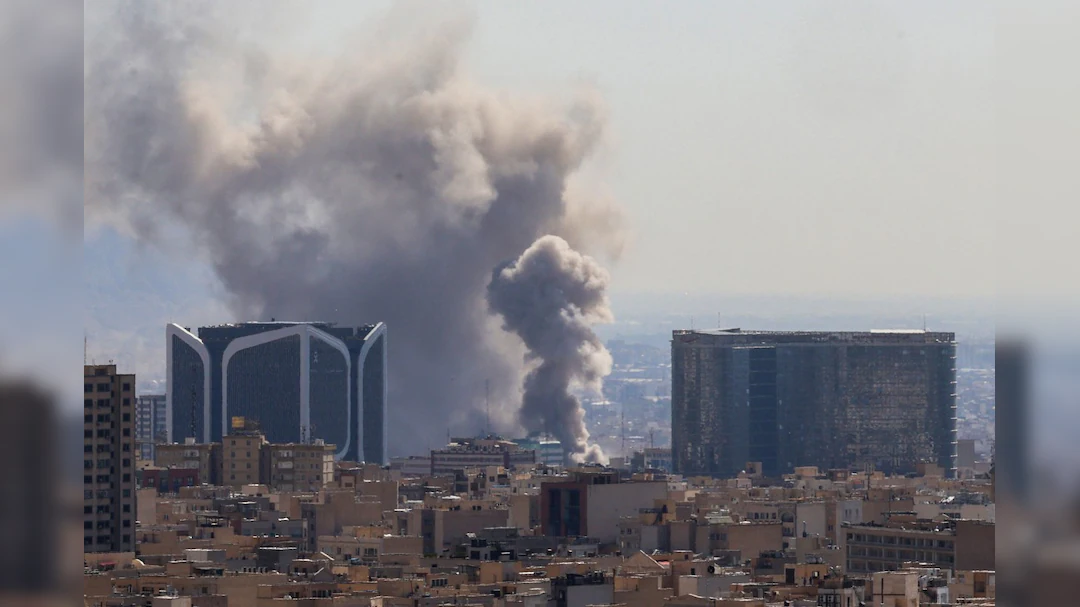
![Smoke rises after Israeli strikes in Beirut's southern suburbs, on March 2 [Mohamad Azakir/Reuters]](https://america112.com/wp-content/uploads/2026/03/hgh.webp)






drover sointeru
Sweet blog! I found it while browsing on Yahoo News. Do you have any suggestions on how to get listed in Yahoo News? I’ve been trying for a while but I never seem to get there! Cheers