
By_shalini oraon

‘Unavoidable Circumstances’: Bangladesh Halts Visa Services in 3 Indian Cities – A Geopolitical Ripple Effect
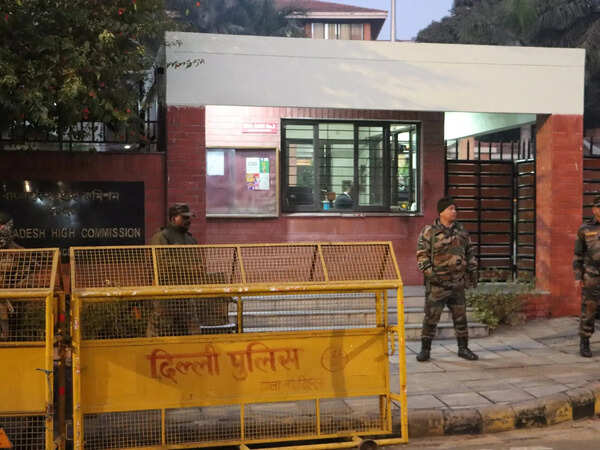
In a move that has sent subtle but significant tremors through South Asian diplomacy, the Bangladesh High Commission in New Delhi announced the temporary suspension of visa services in three key Indian cities: Kolkata, Agartala (Tripura), and Guwahati (Assam). Citing only “unavoidable circumstances,” the terse official statement belies a complex tapestry of domestic unrest, transnational spillover, and delicate bilateral recalibration. This is not merely a bureaucratic pause; it is a diplomatic signal, reflecting the profound strains emerging from Bangladesh’s ongoing political crisis and its intricate, often fraught, relationship with India.
1. The Official Vacuum: What “Unavoidable Circumstances” Means
The phrase “unavoidable circumstances” is diplomatic code, an intentional vagueness that invites interpretation. Officially, it could encompass logistical issues, staff shortages, or security reassessments. However, in the highly charged context of the past months—which have seen massive anti-government protests in Bangladesh and solidarity demonstrations in Indian cities—the term is widely interpreted as a response to security and operational concerns. The missions, particularly the Assistant High Commission in Kolkata, may have faced resource strains or deemed the environment non-conducive for smooth consular operations amid heightened public sentiment.
2. The Epicenter: Kolkata’s Central Role
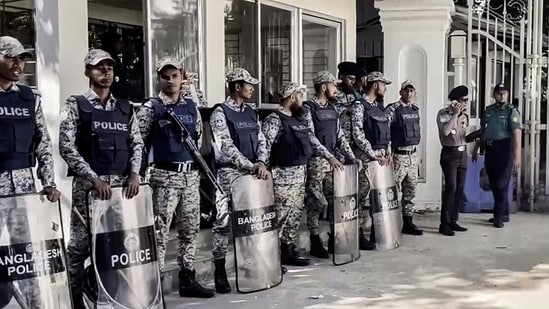
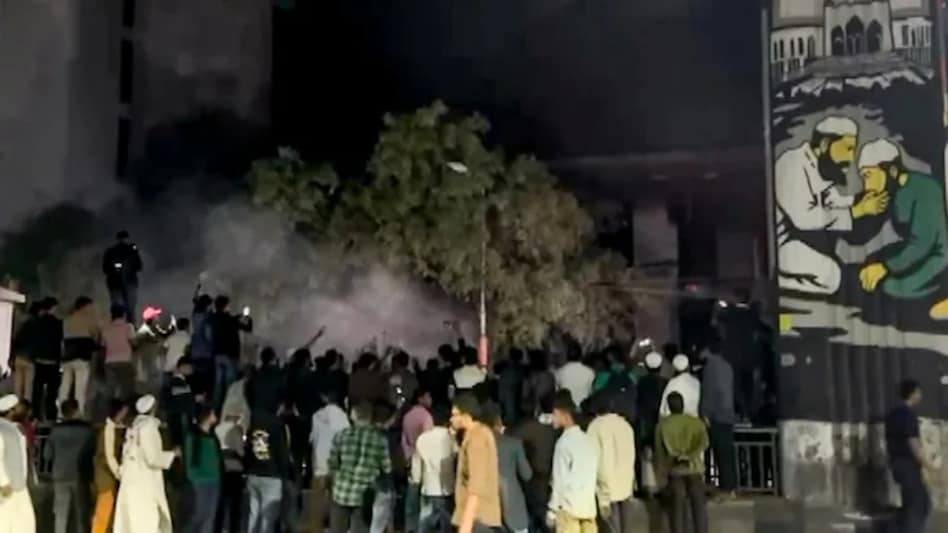
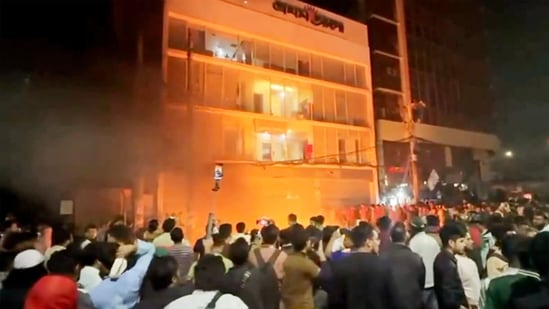
The inclusion of Kolkata is the most telling. As the capital of West Bengal, it is the cultural and linguistic heart of the Bengali diaspora, with deep, familial ties to Bangladesh. It was in Kolkata that the most visible solidarity protests with Bangladesh’s student-led movement erupted, with demonstrators gathering outside the mission. This placed the diplomatic staff in a uniquely sensitive position, caught between the policies of the Indian state (which officially maintains cordial ties with the Hasina government) and the impassioned sentiments of the local Bengali populace. Suspending services here is a direct, if cautious, move to de-escalate local tensions and avoid any incidents that could spiral.
3. The Northeastern Nexus: Agartala and Guwahati
The suspension in Agartala and Guwahati underscores the strategic dimension. Tripura and Assam share long, porous borders with Bangladesh. These regions are critical to India’s “Act East” policy, hubs of cross-border trade, connectivity projects, and energy corridors. They are also regions with complex histories of migration and occasionally fraught local politics. Halting visa services here disrupts a vital people-to-people lifeline—affecting students, patients, business travelers, and families. This indicates that Dhaka’s concerns extend beyond Kolkata’s protests to a broader reassessment of its diplomatic footprint and security posture across an emotionally charged India.
4. The Unspoken Context: Dhaka’s Domestic Turmoil
This decision cannot be divorced from Bangladesh’s internal crisis. The government of Prime Minister Sheikh Hasina is navigating the most serious challenge to its authority in over a decade, stemming from quota reform protests that morphed into a wider anti-regime movement. A key narrative leveraged by the opposition within this turmoil has been the accusation of excessive Indian influence, portraying Hasina as a client of New Delhi. In this climate, the sight of protests in Indian cities, while grassroots-led, can be politically weaponized domestically to accuse India of hosting anti-Dhaka activities. The visa suspension is, therefore, a defensive move by Dhaka to insulate itself from this criticism, demonstrating a degree of assertive sovereignty to a domestic audience.
5. India’s Diplomatic Tightrope
For India, the suspensions are a minor logistical headache but a major diplomatic indicator. New Delhi has walked a fine line during Bangladesh’s unrest, calling for stability and a peaceful resolution while being careful not to publicly undermine Hasina—a trusted partner on security, counter-terrorism, and countering Chinese influence. The visa halt, especially in Kolkata, is a quiet but firm message from Dhaka about its red lines and sensitivities. India must now navigate this carefully, balancing its unwavering support for the Hasina government with the need to manage the public sentiment in its own states and address the bilateral friction.
6. The People in the Middle: Humanitarian and Economic Impact
Beyond diplomacy, the real pain is felt by ordinary people. Patients scheduled for medical treatment in Kolkata’s renowned hospitals, students due to enroll in courses, businesspeople with contractual obligations, and families planning weddings or visiting relatives—all face uncertainty and disruption. The Northeastern states, economically intertwined with Bangladesh, will feel the pinch in trade and commerce. This suspension weaponizes interdependence, showing how easily people-to-people ties, the bedrock of the relationship, can become collateral damage in political disputes.
7. A Signal, Not a Severance
It is crucial to interpret this as a temporary, calibrated signal, not a rupture. Visa services continue in Delhi and other locations. The relationship is too strategically vital for both nations to be jeopardized. For Bangladesh, India remains its largest regional partner, a critical market, and a source of essential commodities. For India, Bangladesh is a linchpin for its regional connectivity and security architecture. The move is a pressure valve, a way for Dhaka to register discontent and recalibrate without initiating a full-blown crisis.
8. The China Shadow
As in all South Asian geopolitics, the China factor looms. Beijing has adeptly expanded its economic and military footprint in Bangladesh. While not directly causing this visa issue, China benefits from any friction in the India-Bangladesh relationship. A distanced Dhaka is a more pliable partner for Beijing. India will be intensely aware that its handling of this diplomatic subtlety could either reinforce its primacy or create an opening for its strategic rival.
9. Historical Echoes
The choice of Kolkata carries historical weight. It was the conduit for India’s support during Bangladesh’s 1971 Liberation War. That the city now hosts protests against a Bangladeshi government allied with India, leading to a visa suspension, is a stark irony. It highlights how the romanticism of shared language and culture can be complicated by the hard realities of contemporary politics and divergent democratic experiences.
10. The Path Forward: Quiet Diplomacy and De-escalation
The resolution will likely not come through public statements but through quiet, back-channel diplomacy. Indian security agencies may increase oversight to ensure Bangladeshi diplomatic premises are not disturbed. Both sides will emphasize the temporary nature of the suspension. The key will be for India to subtly reassure Dhaka of its commitment to non-interference, while Dhaka finds a face-saving way to restore services once it feels the domestic political point has been made and its concerns addressed.
Conclusion: A Barometer of Strain
The suspension of visa services in these three cities is far more than a consular notice. It is a barometer of the profound strain within Bangladesh and the resultant stress on its most important bilateral relationship. It reveals how domestic instability in one nation can rapidly transnationalize, affecting diaspora communities and compelling diplomatic recalibrations. The “unavoidable circumstances” are, in essence, the unavoidable geopolitical consequences of Bangladesh’s internal crossroads. How quickly and smoothly these services are restored will be the first true indicator of whether the two neighbors can successfully insulate their critical strategic partnership from the heat of domestic political fires. For now, a temporary administrative halt speaks volumes about an enduring, complex, and momentarily troubled friendship.
Discover more from AMERICA NEWS WORLD
Subscribe to get the latest posts sent to your email.


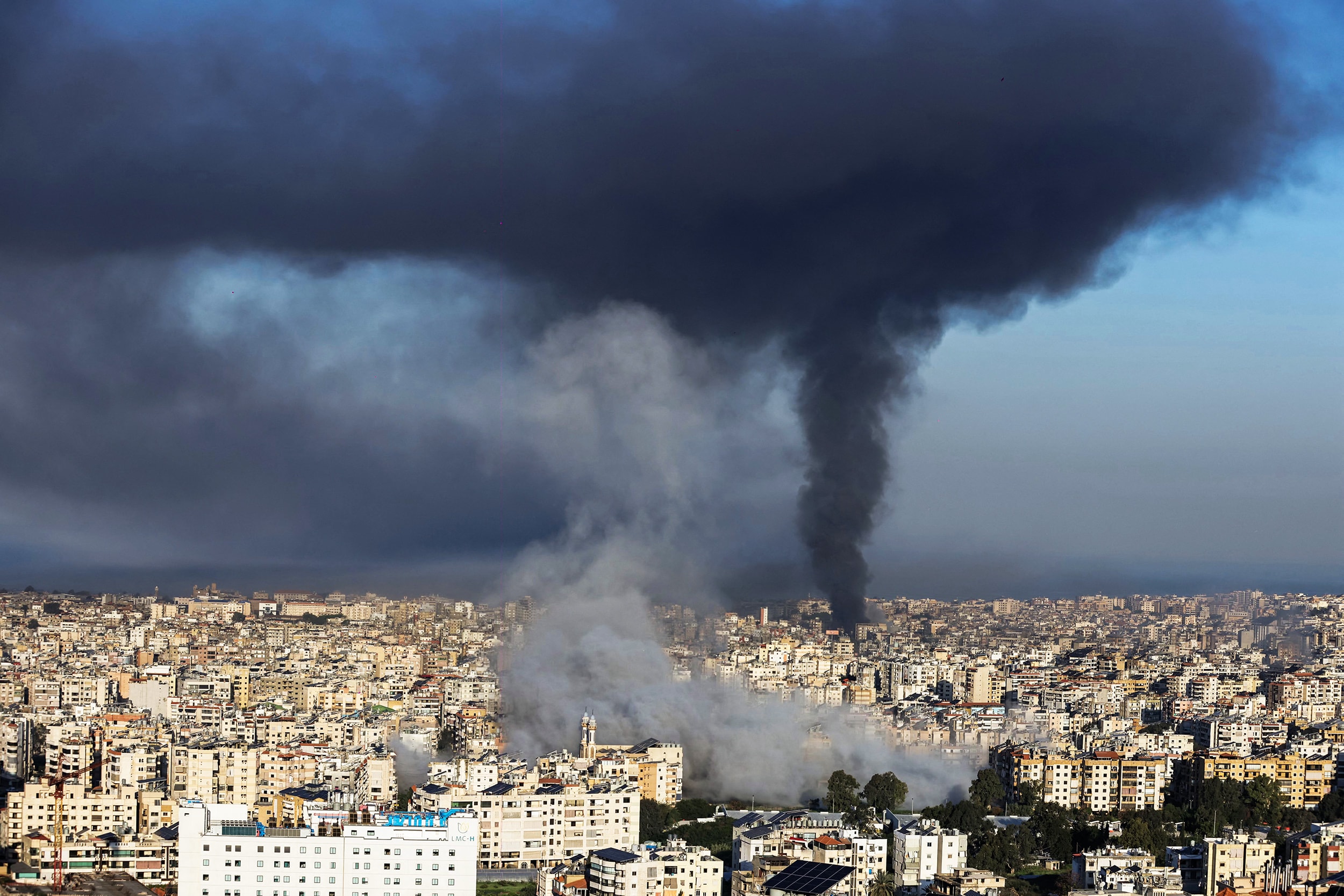


![Smoke rises after Israeli strikes in Beirut's southern suburbs, on March 2 [Mohamad Azakir/Reuters]](https://america112.com/wp-content/uploads/2026/03/hgh.webp)
























appbetano
AppBetano is smooth on mobile. I like betting on the footy there. Easy to navigate and rarely have any issues. Recommend giving it a shot if you like betting on the go appbetano.