By Manisha Sahu | America News World
Kyiv | November 30, 2025
Ukraine has intensified its campaign against Russia’s lucrative oil export network, striking two tankers belonging to what Western officials describe as Moscow’s expanding “shadow fleet” used to circumvent sanctions and move energy supplies to foreign markets. The attack, carried out with naval drones in the early hours of Saturday, targeted the empty vessels as they made their way toward Novorossiysk, one of Russia’s most important Black Sea oil terminals.

Rescue teams search for survivors after a drone struck a residential building during Russia’s overnight missile and drone attack on Kyiv, Ukraine, on Saturday, November 29, 2025. (AP Photo/Efrem Lukatsky)
According to an official from the Security Service of Ukraine (SBU), who spoke to Reuters on condition of anonymity, the tankers have been identified as the Kairos and the Virat. Both ships were sailing without cargo and were en route to load oil destined for overseas buyers. The strike marks the latest in Ukraine’s attempts to undermine Russia’s wartime revenue streams as the conflict now stretches beyond its third year.
The attack occurred against a backdrop of heavy overnight missile and drone strikes on Kyiv, where rescuers on Saturday continued to search for survivors amid the rubble of a residential building struck by a Russian drone. The two fronts—Russia’s aerial assault on Ukrainian cities and Ukraine’s increasingly bold operations in the Black Sea—reflect a conflict that continues to expand geographically and technologically.
A New Phase in Ukraine’s Black Sea Campaign
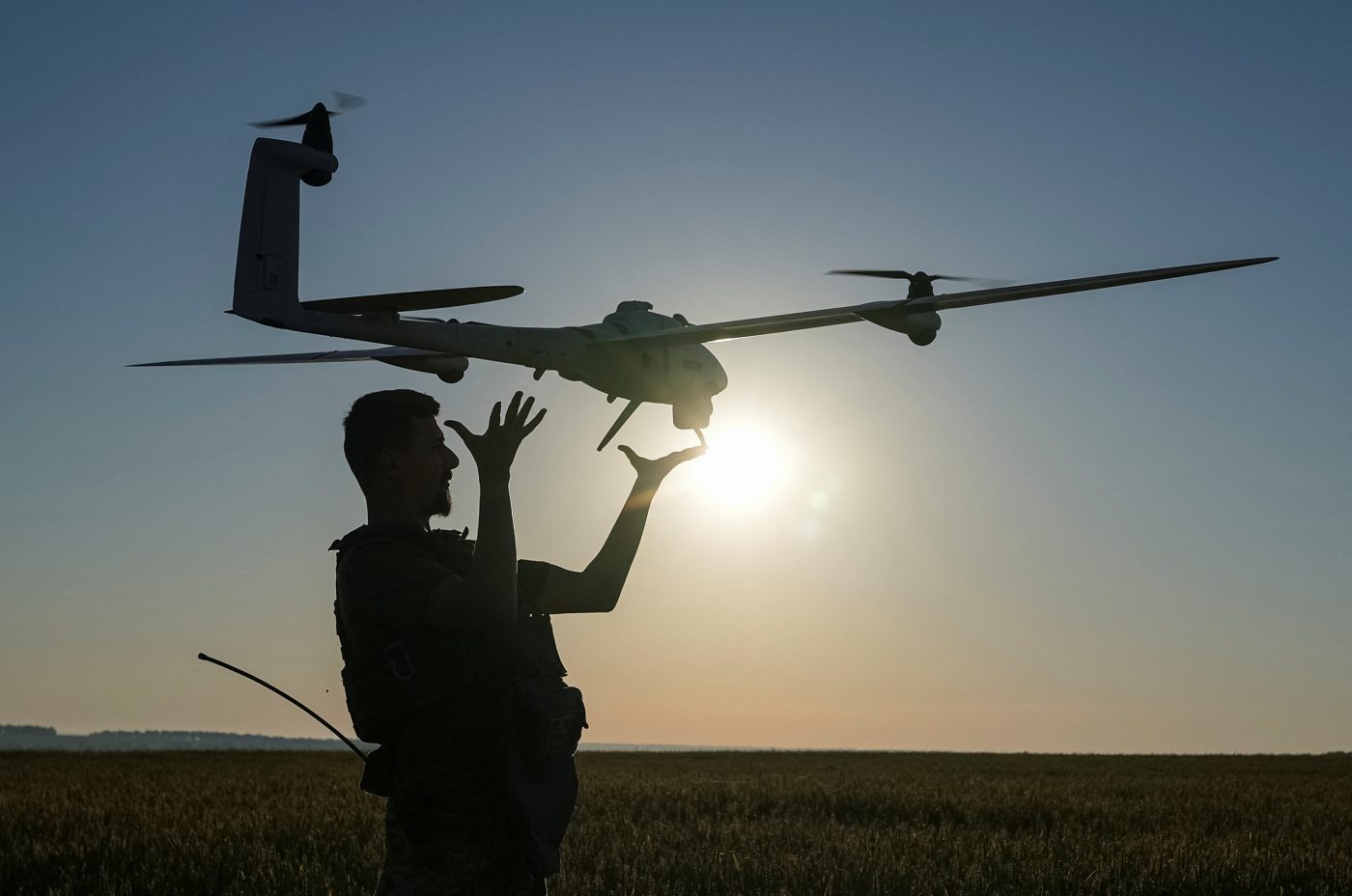
Ukraine’s use of naval drones has become a defining feature of its strategy to counter Russia’s overwhelming naval strength. The drones—small, fast, remotely operated craft packed with explosives—have allowed Ukraine to push back the Russian Navy and threaten assets once considered safely behind Moscow’s maritime defenses.
Saturday’s attack fits into a broader pattern. Over the past year, Kyiv has repeatedly targeted Russian warships, logistics vessels, and oil infrastructure, forcing Russia to shift operations eastward and reconfigure trade routes. The strikes on Kairos and Virat underline how Ukraine is now focusing heavily on the so-called shadow fleet, a network of older vessels operating with opaque ownership structures, minimal insurance, and often hidden transponder data.
These vessels have become central to Russia’s strategy to skirt Western sanctions, particularly those restricting the sale of its crude oil. Analysts estimate Moscow is using more than 100 tankers in this shadow network to maintain exports, many owned through shell companies in the Middle East or Asia.
By hitting these particular vessels, Ukraine is signaling that it intends to target not only military assets but also economic infrastructure feeding the Kremlin’s war machine.
Why Novorossiysk Matters
Novorossiysk, located on Russia’s Black Sea coast, is one of the country’s key export hubs for crude oil. It remains essential for Russia’s ability to sell petroleum to global markets—especially those in Asia—despite sanctions by the United States, European Union, and G7.
While much global attention has been focused on Russia’s Baltic Sea oil terminals, Novorossiysk’s role in enabling Black Sea exports is equally significant. Any disruption to the flow of tankers in and out of the port directly threatens Russia’s economic stability.
The SBU official did not disclose the extent of the damage to Kairos and Virat, nor whether they would be able to continue toward the port. Russia has not officially confirmed the attack, a typical pattern when dealing with maritime losses that could affect global oil markets or reveal vulnerabilities.
Economic Warfare Moves Into the Open
Ukraine’s strike on the shadow fleet is a form of asymmetric economic warfare—one Kyiv argues is necessary to counter Russia’s deeper resources and broader military reach. By choking the revenue Russia earns from oil exports, Ukraine hopes to weaken Moscow’s capacity to sustain large-scale military operations.
This strategy has raised concerns among some global energy analysts, who warn that attacks on oil tankers could have ripple effects in international markets. While the vessels targeted Saturday were empty, a strike on a loaded tanker could cause significant environmental damage or spark a broader maritime security crisis.
Still, Ukrainian officials insist their operations are precise, focused, and justified.
“Russia uses illegal exports to finance its aggression. When they violate sanctions, they make their vessels legitimate targets,” said a Kyiv-based defense analyst not authorized to speak publicly.
Western governments have largely refrained from direct involvement in the Black Sea operations but have expressed support for Ukraine’s right to self-defense. With oil revenues accounting for a major portion of Russia’s wartime budget, any disruption poses both financial and political challenges for President Vladimir Putin.
Kyiv Hit by Overnight Russian Strikes
While Ukrainian drones were striking at sea, Russia launched yet another intensive attack on Kyiv and several other regions. In the capital, rescuers combed through the ruins of a residential building struck during a barrage of missiles and drones overnight.
Images from the scene showed emergency personnel battling flames and smoke as they searched for trapped civilians. Saturday’s attack resulted in casualties and widespread structural damage, although authorities have not released full details. The strike served as a grim reminder that even as Ukraine makes gains in maritime warfare, Russia continues to target urban areas far from any front line.
The two sides appear locked in a devastating cycle: Ukraine hits Russian military and economic infrastructure, while Russia escalates aerial attacks intended to break Ukrainian resolve and exhaust air defenses.
A Conflict That Continues to Evolve
The strike on the Kairos and Virat demonstrates once again how the Black Sea has rapidly emerged as one of the most dynamic theaters of the war. Ukraine’s naval drone program, once experimental and limited, now poses a credible threat to Russian shipping and may reshape maritime security calculations for years to come.
As winter sets in and both sides prepare for intensified offensives, these kinds of long-range, high-tech strikes are likely to become more frequent. Whether they can meaningfully curtail Russia’s energy exports—and how Moscow might retaliate—remains to be seen.
For now, Ukraine’s message is clear: no asset that contributes to Russia’s war financing is beyond reach.
Discover more from AMERICA NEWS WORLD
Subscribe to get the latest posts sent to your email.