By Matthew Taylor, Suraj Karowa Environment Correspondent/ ANW
LONDON – November 25, 2025

Firefighters call for long-term investment and say UK is dangerously underprepared as climate crisis worsens
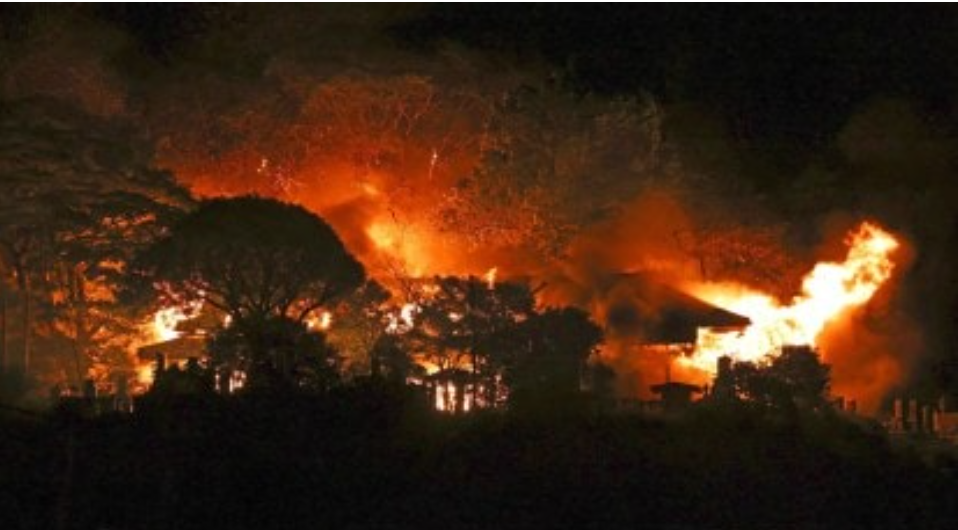
In a stark reminder of the accelerating climate crisis, the United Kingdom has witnessed an unprecedented surge in wildfires this year, scorching more land than in any recorded history.
According to the Global Wildfire Information System (GWIS), flames have ravaged 47,026 hectares—equivalent to over 116,000 acres—across moorlands, forests, and farmlands by late November.
This figure dwarfs the previous high from the blistering summer of 2022, when 22,000 hectares burned, and signals a troubling escalation in the frequency and ferocity of these blazes.
The data, compiled since GWIS monitoring began in 2012, paints a grim picture of a nation ill-equipped for the new normal.

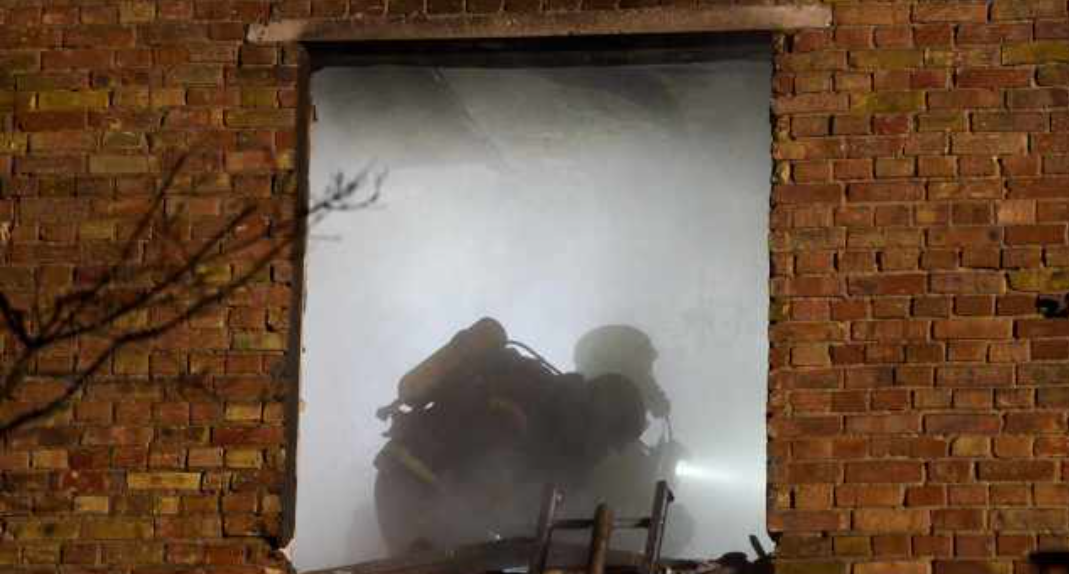
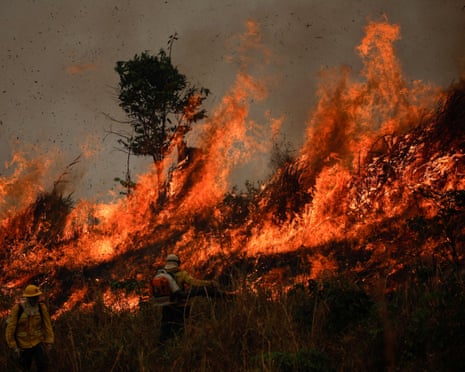
Firefighters tackling a blaze on Langdale Moor in September that burned for weeks.
“We’re not just seeing isolated incidents anymore; these are systemic failures amplified by a warming planet,” said Dr. Lara Kensington, a climate scientist at the University of Exeter who contributed to the GWIS analysis.
Dry spells, fueled by record-high temperatures and erratic rainfall patterns, have turned vast swathes of the countryside into tinderboxes.
Peatlands, once natural sponges absorbing carbon, now release stored greenhouse gases as they smolder, exacerbating the very crisis igniting them.
Firefighters on the front lines are bearing the brunt of this inferno. The Fire Brigades Union (FBU), in a coalition letter to Chancellor Rachel Reeves ahead of next month’s budget, has decried the service’s chronic underfunding.

Firefighters responding to flooding caused by storm Claudia in Monmouth this month. Photograph: Isabel Infantes
Signed by heavyweights including Greenpeace, Friends of the Earth, and Tax Justice UK, the missive demands “substantial, long-term investment” to bolster crews, equipment, and training.
Since 2010, the UK has shed nearly 12,000 firefighters—a 20% workforce cull—while central funding has plummeted 30% in real terms.
Control rooms are skeletal, protective gear is outdated, and specialist wildfire personal protective equipment (PPE) is scarce.
Take the August conflagration at Holt Heath in Dorset: a “relentless” fire that necessitated drafting 17 services from as far as Greater Manchester.
Local resources were so depleted that responders arrived without proper wildfire PPE, heightening risks of heatstroke, exhaustion, and burns.
“We were stretched to breaking point,” recounted veteran firefighter Tom Reilly, who spent 72 hours battling the blaze.
“Hoses ran dry, engines broke down, and we were rationing water. If another flare-up had hit nearby, lives could have been lost—not just property.”
September’s ordeal on Langdale Moor in North Yorkshire was equally harrowing.
A stubborn fire, fanned by gale-force winds, charred thousands of hectares for weeks, drawing in farmers, gamekeepers, and volunteers to supplement exhausted crews.
“It was like fighting a dragon with toothpicks,” said landowner Marcus Hale, whose estate lost 40% of its heather-covered hills.
The moor, a biodiversity hotspot for rare birds and insects, may take decades to regenerate, if at all.
Ecologists warn that repeated burns could trigger irreversible soil erosion and carbon release, tipping fragile ecosystems into collapse.
This wildfire epidemic isn’t occurring in isolation. The fire service, increasingly the UK’s de facto flood response force, is juggling dual threats.
Storm Claudia’s deluge last month submerged Monmouth in south Wales, prompting water rescues that drained every available asset.
“It was biblical,” said Sam Harding, a Monmouth station officer who hauled families from rooftops.
“Our boats and pumps were maxed out. Another storm hitting Cardiff simultaneously? We’d have been paralyzed.”
The Guardian’s recent investigation revealed that climate projections could render millions more homes uninsurable, with low-lying towns like those in the Somerset Levels facing potential abandonment.
Government austerity has hollowed out resilience. Post-2010 cuts prioritized fiscal belts over disaster preparedness, leaving a patchwork of under-resourced brigades.
“We’re reactive, not proactive,” the FBU letter asserts. “Under-investment isn’t just inefficiency; it’s endangering lives.”
Advocates point to peer nations like Australia and Canada, where post-megafire reforms injected billions into aerial tankers, early-warning drones, and community firebreaks.
The UK, by contrast, relies on aging helicopters and ad-hoc mutual aid.
In response, a Ministry of Housing, Communities and Local Government spokesperson touted “decisive action,” including a National Resilience Wildfire Advisor to streamline coordination.
Yet critics dismiss this as window dressing. “An advisor won’t douse flames or recruit the 12,000 firefighters we need,” quipped FBU general secretary Matt Wrack.
The budget looms as a litmus test: will Reeves heed the call for ring-fenced funding, or let fiscal orthodoxy fan the flames of future crises?
Beyond immediate perils, 2025’s wildfires underscore broader inequities.
Rural communities, often economically marginalized, suffer disproportionate losses—lost grazing lands cripple shepherds, while smoke plumes choke urban air miles away, hitting low-income neighborhoods hardest.
Health experts, citing a recent Lancet study, link wildfire particulates to spikes in respiratory illnesses, with children and the elderly most vulnerable.
“This isn’t abstract climate talk; it’s asthma attacks in bedrooms and evacuations from ancestral homes,” said Dr. Aisha Rahman of the British Lung Foundation.
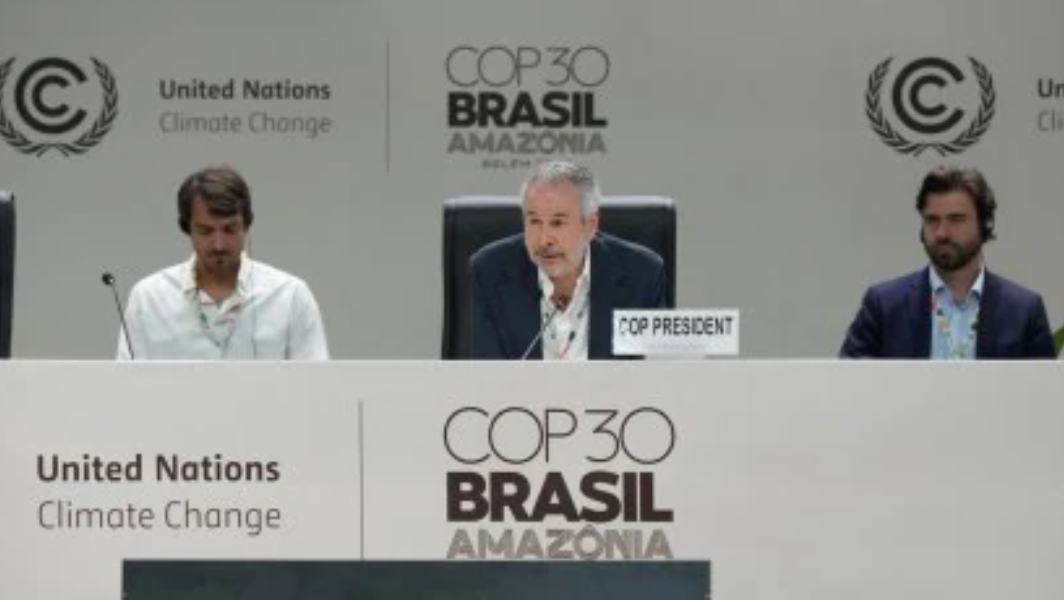
As COP30 negotiations kick off in Brazil next week, the UK’s scorched earth serves as a cautionary dispatch.
Delegates from vulnerable island nations will invoke these blazes to press for ambitious emissions cuts and adaptation finance.
Domestically, grassroots movements are mobilizing: from Yorkshire moorland rewilding projects to Dorset petitions for peat restoration grants.
“We’ve hit rock bottom,” said activist Lena Torres of Extinction Rebellion’s fire resilience wing.
“Now, we rebuild—fireproof, equitable, and fierce.”
Yet hope flickers amid the ash. Innovative pilots, like Scotland’s AI-driven fire prediction models, show promise.
Community-led “green firebreaks”—strips of mixed woodland buffering moors—have contained smaller blazes in the Peak District.
Scaling these requires political will, not just goodwill.
As winter rains finally douse the embers, 2025’s toll demands reckoning. The UK, once a beacon of environmental stewardship, must confront its complacency.
Wildfires aren’t acts of God; they’re symptoms of unchecked excess. Invest now, or watch the inferno return, hungrier than before.
Discover more from AMERICA NEWS WORLD
Subscribe to get the latest posts sent to your email.