By Manisha Sahu, America News World
November 29,2025
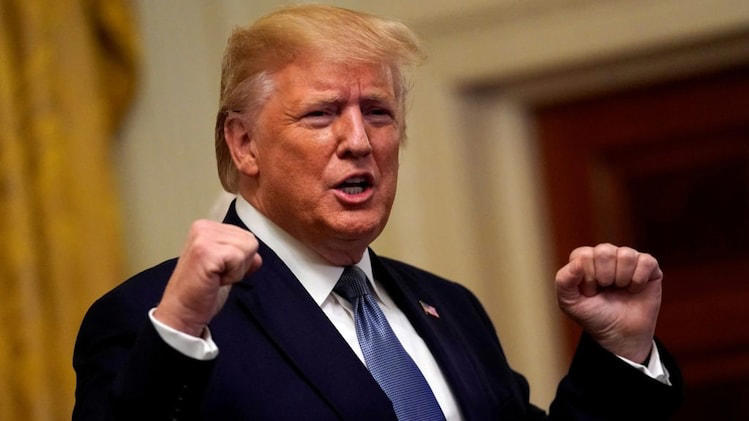
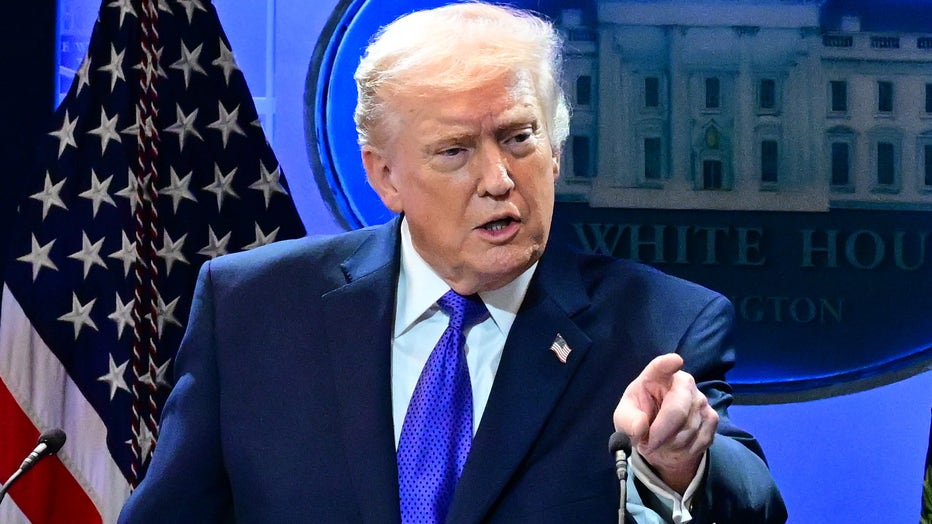
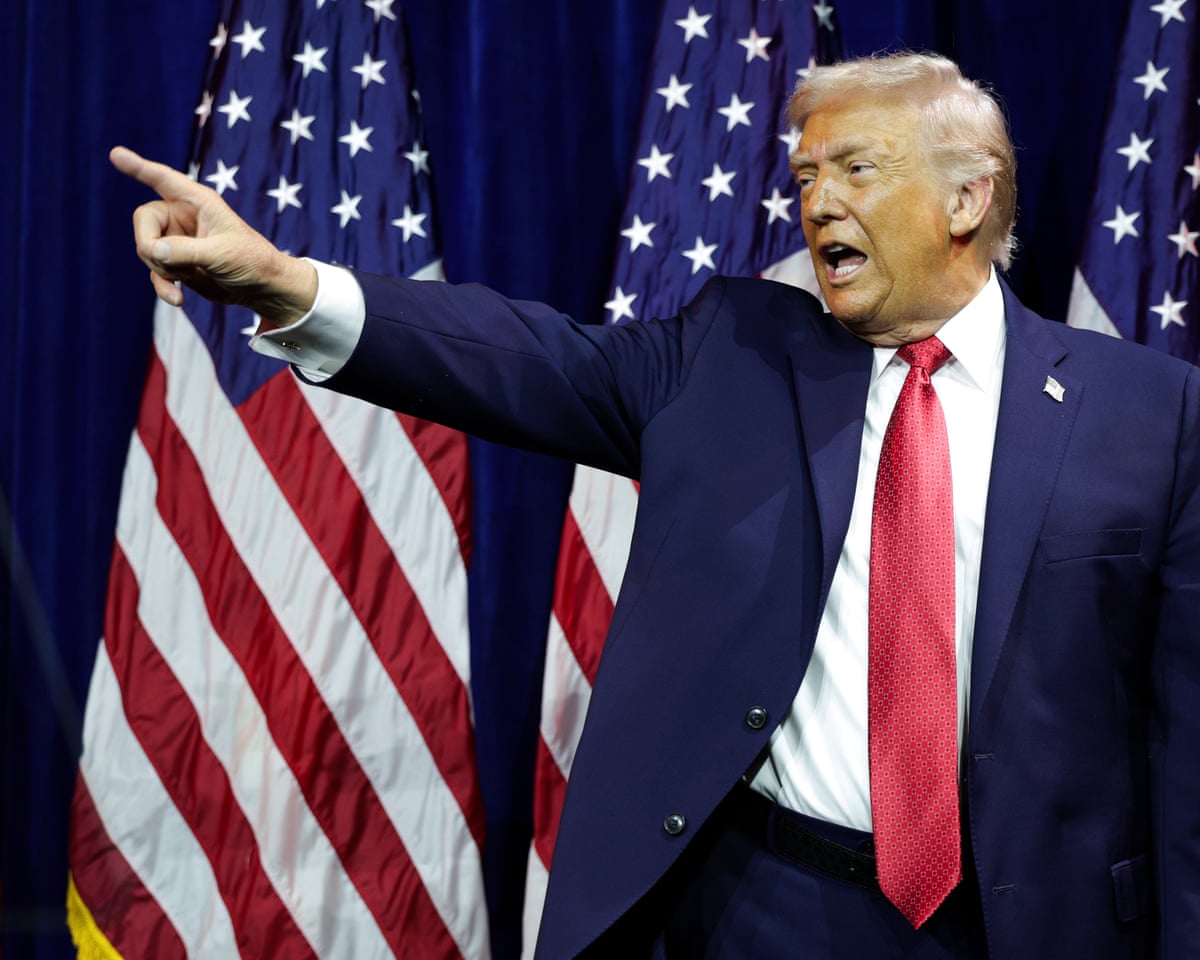
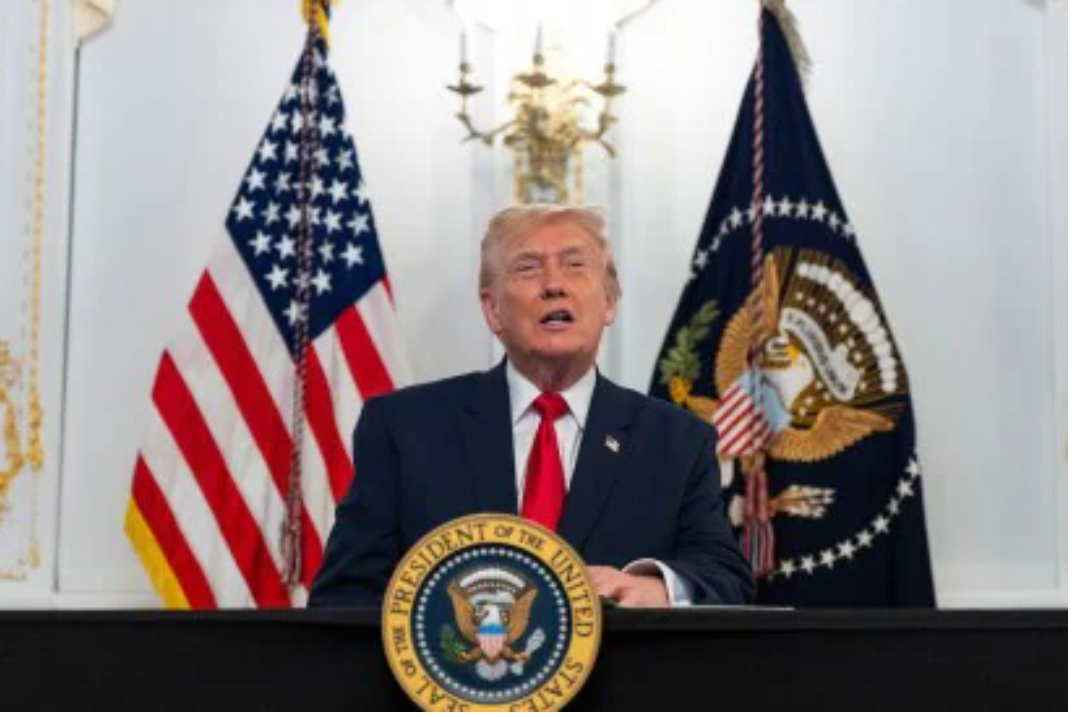
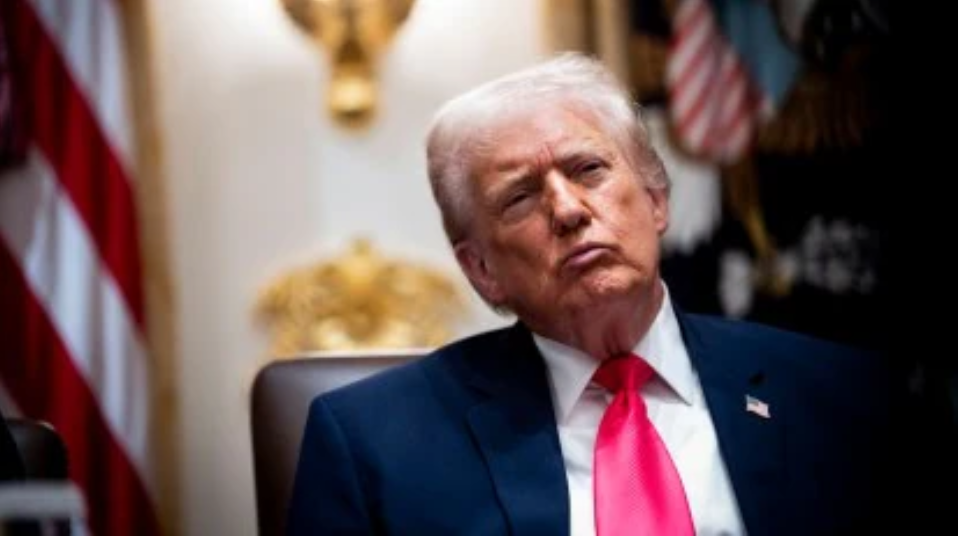
In a move that stunned diplomats and observers alike, U.S. President Donald J. Trump spoke by phone last week with Venezuelan strongman Nicolás Maduro — just days before the U.S. formally labeled the Venezuelan network known as Cartel de los Soles as a foreign terrorist organization. The call, which reportedly included U.S. Secretary of State Marco Rubio, touched on the possibility of a face-to-face meeting on U.S. soil, marking the first such engagement between a U.S. president and Maduro.

President Nicolás Maduro of Venezuela speaks during an address in Caracas on Nov. 25, 2025. According to several individuals familiar with the situation, former U.S. President Donald Trump held a phone conversation with Maduro last week, during which the two discussed the possibility of an in-person meeting — even as the United States continues to warn of potential military action against Venezuela. (Adriana Loureiro Fernandez/The New York Times)
A Diplomatic Surprise Amid High Stakes
The telephone conversation took place late in the week, according to sources with direct knowledge of the matter. The New York Times first reported the development, noting the leaders discussed a possible in-person meeting in the United States — though, as of now, no official meeting has been scheduled.
The call arrives at a dramatic moment of U.S.–Venezuelan relations. Only days later, on November 24, the U.S. State Department’s designation of Cartel de los Soles as a foreign terrorist organization took effect — a major escalation in Washington’s campaign against the Maduro regime.
Analysts view the call and the designation as a dual-track strategy: simultaneously offering a pathway for dialogue, while tightening legal and diplomatic pressure on Caracas. As one commentator put it, the call “signals possible détente” — even as the United States moves to crystallize its claims that Maduro leads a narco-terror network.
What Is Cartel de los Soles — and Why the Label Matters
Cartel de los Soles is not a traditional cartel as many imagine. The name hails from “suns,” the insignia once worn by high-ranking Venezuelan military officers — originally in the 1990s — who allegedly became enriched through drug trafficking. Over time, analysts say, the term evolved to loosely refer to a network of senior military officials, government agents, and corrupt actors linked to illicit activities including drug trafficking, illegal mining, and fuel smuggling.
Still, critics argue it lacks the structure and hierarchy typical of Mexican or Colombian cartels. According to the think-tank Washington Office on Latin America (WOLA), it “is not a group. It’s not like a group that people would ever identify themselves as members. They don’t have regular meetings. They don’t have a hierarchy.”
For Washington, though, the designation carries weight: by listing Cartel de los Soles as a Foreign Terrorist Organization (FTO), the U.S. criminalizes any support — financial or otherwise — to it, freezes assets, and bars its members or affiliates from entering the U.S. or engaging in business with Americans.
In July 2025, the U.S. Treasury had already sanctioned the group as a “Specially Designated Global Terrorist,” in a move that froze its U.S. assets and cut off American dealings. The State Department’s new FTO designation, however, adds even greater legal weight — and opens the door to expanded diplomatic, financial, and possibly military actions.
Venezuela’s Reaction: Denial, Accusations, and Alarm
As expected, Caracas reacted swiftly and angrily to the designation. The Venezuelan government rejected it outright, calling Cartel de los Soles “non-existent” and dismissing the U.S. move as a “ridiculous fabrication” meant to justify an “illegitimate and illegal intervention” against Venezuela.
According to Venezuelan officials, the U.S. aims not to fight narco-trafficking — but to install regime change in Venezuela and take control of its vast oil riches.
Despite mounting U.S. pressure, Maduro has denied involvement in drug trafficking and rejected the notion that he leads any such “cartel.”
Military Pressure and Uncertain Next Steps
The FTO designation arrives against a backdrop of heightened U.S. military presence around Venezuela. Since mid-2025, the U.S. has deployed warships, missile destroyers, amphibious assault ships, and thousands of personnel to the Caribbean — a show of force Washington frames as part of a broader counter-narcotics campaign.
And while the official line remains focused on drugs, the FTO classification creates a legal pretext for potential military or covert action — especially if U.S. officials argue that Maduro’s regime constitutes a narco-terrorist network.
Moreover, just days after the FTO designation, President Trump suggested that the U.S. might consider land operations in Venezuela — a new and ominous dimension to the pressure campaign.
Yet, despite such aggressive posturing, there are signals that Washington is leaving the door open to diplomacy. The recent phone call — which included Secretary Rubio — may indicate that the U.S. is evaluating a dual strategy: continuing to apply pressure while keeping alive the possibility of talks.
What This Could Mean — and Why It Matters
If a meeting between Trump and Maduro ever materialises, it would be historic — the first between a sitting or former U.S. president and the Venezuelan leader. For Maduro, it could provide a political lifeline, a way to counterbalance the narrative of his regime as a narco-terror network. For the U.S., it could be a strategic lever: using diplomacy as a parallel tool alongside sanctions and military pressure.
On the other hand, the designation and military build-up risk escalating into open confrontation. The FTO label significantly lowers legal and diplomatic barriers, possibly enabling more aggressive actions including targeted strikes or covert operations.
International reactions may vary: some governments might view it as a legitimate crackdown on narcotics and corruption; others may interpret it as a dangerous precedent — using drug-trafficking allegations as a pretext for regime change.
For the people of Venezuela, caught between external pressure and internal instability, the stakes could be high. Further sanctions, military actions, or an abrupt regime shift could deepen humanitarian crises — even as the U.S. points to decades of alleged corruption, drug trafficking, and authoritarianism under Maduro’s rule.
A Dangerous Gamble — Or Diplomatic Reset?
The surprise phone call between Trump and Maduro — arriving just before a sweeping redefinition of the opposition leader as “terrorist boss” — underscores just how unpredictable and volatile U.S.–Venezuela relations have become.
Whether the move signals a genuine opening for dialogue or is simply a tactical gambit in a broader pressure campaign remains unclear. What is certain: the world is watching, and the costs — politically, legally, and humanly — may be steep.
For now, at least, the U.S. appears to be playing a high-stakes game of carrot and stick, balancing on the edge between diplomacy and confrontation.
Discover more from AMERICA NEWS WORLD
Subscribe to get the latest posts sent to your email.